
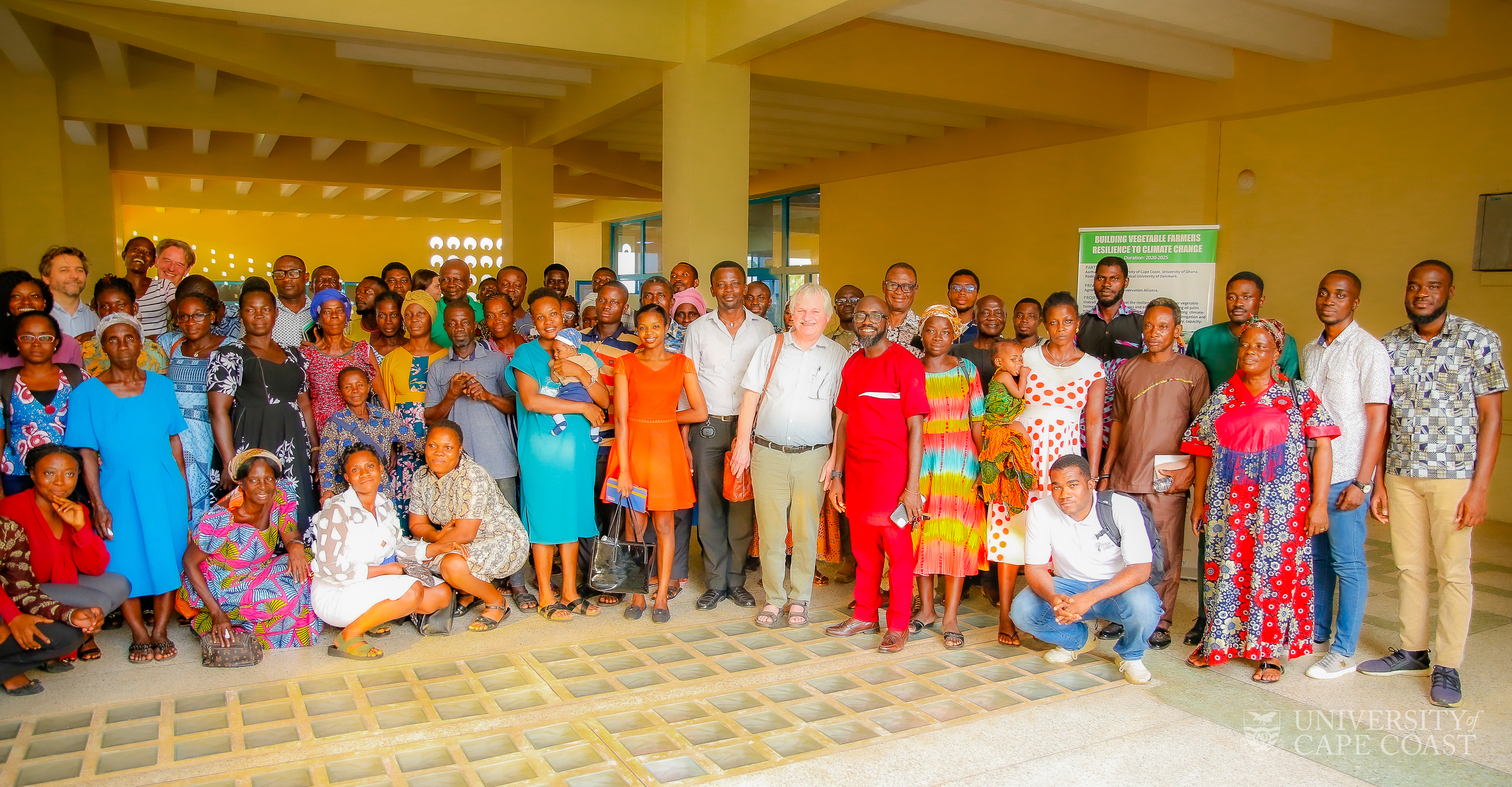
The Building Vegetable Farmers’ Resilience to Climate Change (FruitBunch) project has come to an end.
The project’s exit meeting was held at the University of Cape Coast.
The event was attended by project partners from the Ghanaian Universities and Denish Universities, representatives of the Dean of the School of Agriculture, Prof. Ernest Teye, the Deputy Director of the Directorate of Research Innovation and Consultancy (DRIC), Dr Brandford Bervell, farmer groups and representatives, MOFA Directors, extension officers, and other stakeholders.
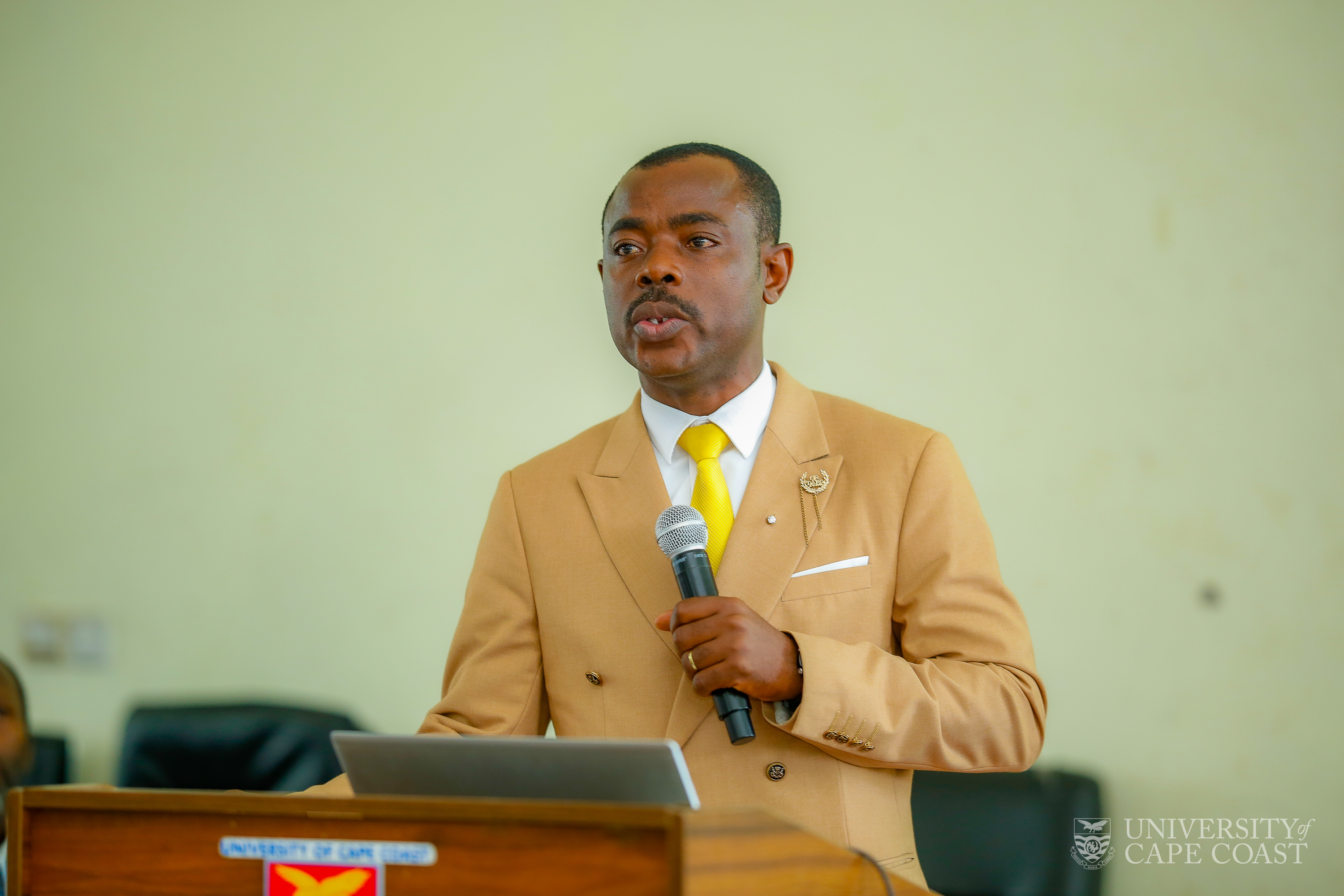
Prof. Ernest Teye
The FruitBunch project, which ran from 1 March 2020 to 31 December 2025, sought to help vegetable farmers adapt to climate change and enhance vegetable production by researching heat-, drought-, and disease-tolerant vegetable crop varieties, soil health, and irrigation and water management in vegetable production systems in Ghana.
The project was funded by the Ministry of Foreign Affairs of Denmark and administered by the Danida Fellowship Centre.
Participating institutions included the University of Cape Coast, the University of Ghana, the Technical University of Denmark, Roskilde University, and Aarhus University.
The project was coordinated by Prof. Mathias Neumann Andersen and Dr. Emmanuel Arthur from Aarhus University.
The research produced over 30 postgraduate students from the Ghanaian universities.

Prof. Mathias Neumann
Speaking at the event, Prof. Mathias Neumann said the project investigated the use of local organic resources, such as oil palm empty fruit bunch, applied to soil as an organic mulch, composted, or pyrolyzed into biochar, as a smart way to recycle organic materials, improve soil fertility, and increase carbon sequestration.
He added that the project screened and selected vegetable varieties adapted to higher temperatures, drought, and increased pest and disease incidence.
“Furthermore, we analyzed and identified inclusive and sustainable business models around local communities fitted with irrigation systems, allowing an additional one to two more growing seasons per year to produce high-value horticultural crops,” he added.

A participant at the exist meeting
In addition to increasing vegetable production, sales, and associated value chains, Prof. Andersen noted that irrigation development would create jobs in supporting industries that supply irrigation and farming equipment.
According to him, the project focused on two of the UN’s Sustainable Development Goals—No Poverty and Zero Hunger.
For his part, the Project Coordinator at UCC and the Head of the Crop Science Department, Prof. Michael Osei Adu, said the FruitBunch project was designed to train 5 PhD and 10 MPhil students during its 5-year duration, but it markedly exceeded this target.

Prof. Michael Osei Adu
He said the researchers aimed to increase the resilience to rising temperatures and more erratic rainfall patterns in small-scale vegetable farming by using plant residues from the palm oil industry as fertilizers and for soil water conservation.
“We also identified more climate-resilient vegetable varieties, climate-smart irrigation systems, and opportunities to collect and store rainwater for irrigation,” he added.
He continued: “The project was an extension of the WEBSOC project, which was completed the year before the commencement of the Fruitbunch project.
Among other things, the WEBSOC project investigated the impact of biochar on soil fertility. The results were very positive, but it was not possible to measure the long-term effects of biochar within the project’s timeframe.”
Prof. Adu expressed gratitude to the funders and participants for their significant contributions to the programme’s success.
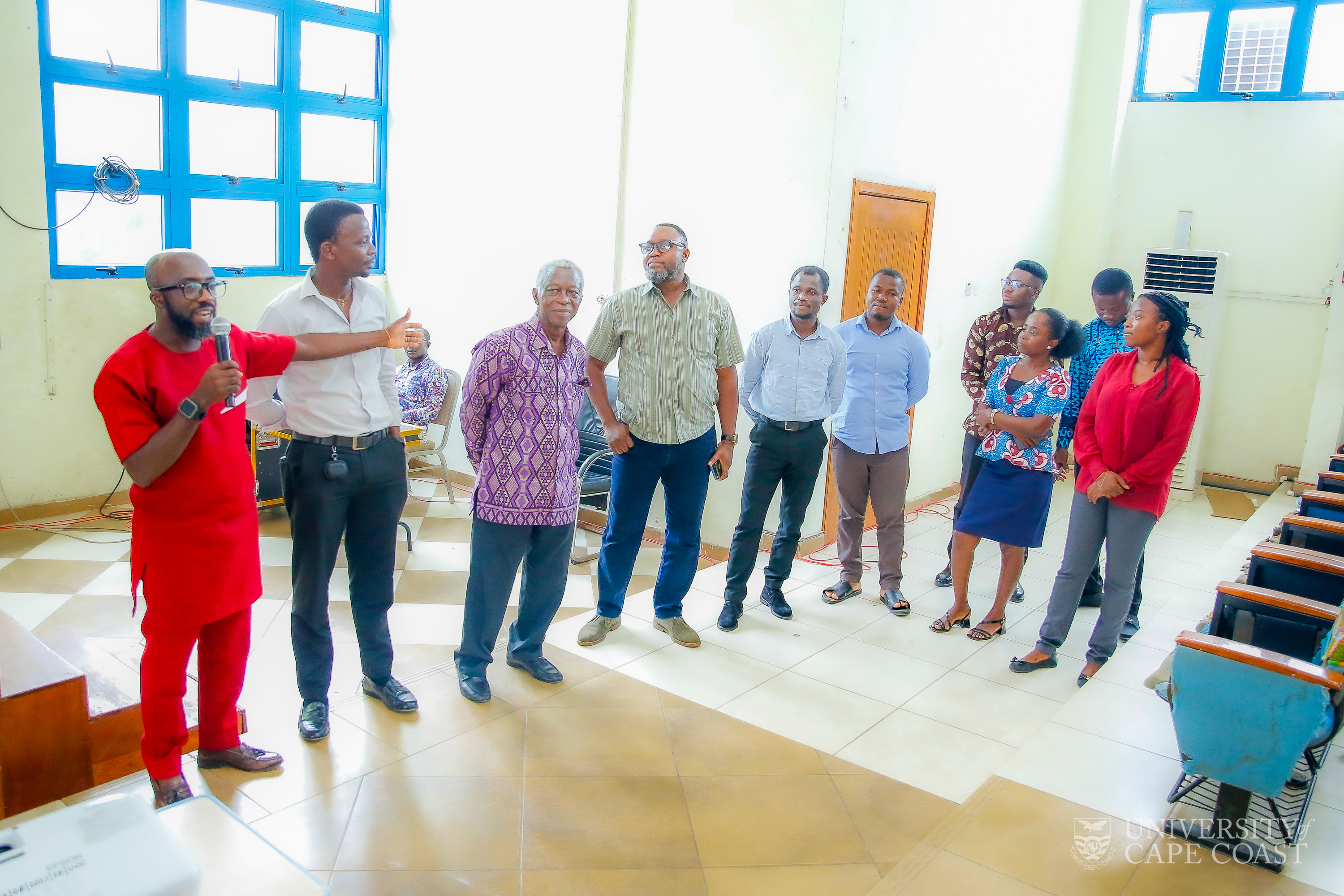
Prof. Michael Osei Adu introducing beneficiaries of the project from UCC
At the event, postgraduate students, including those who have graduated and those yet to graduate, from UCC and the University of Ghana were present.
The PhD graduates presented findings aligned with the project’s objectives, including improved soil health through the use of organic amendments; increased vegetable yields resulting from the combined application of biochar and irrigation; the identification of eggplant and okra varieties resistant to drought, heat, and disease; and the adoption of these technologies by farmers.
The students also shared their experiences during their half-year visits to Denmark.
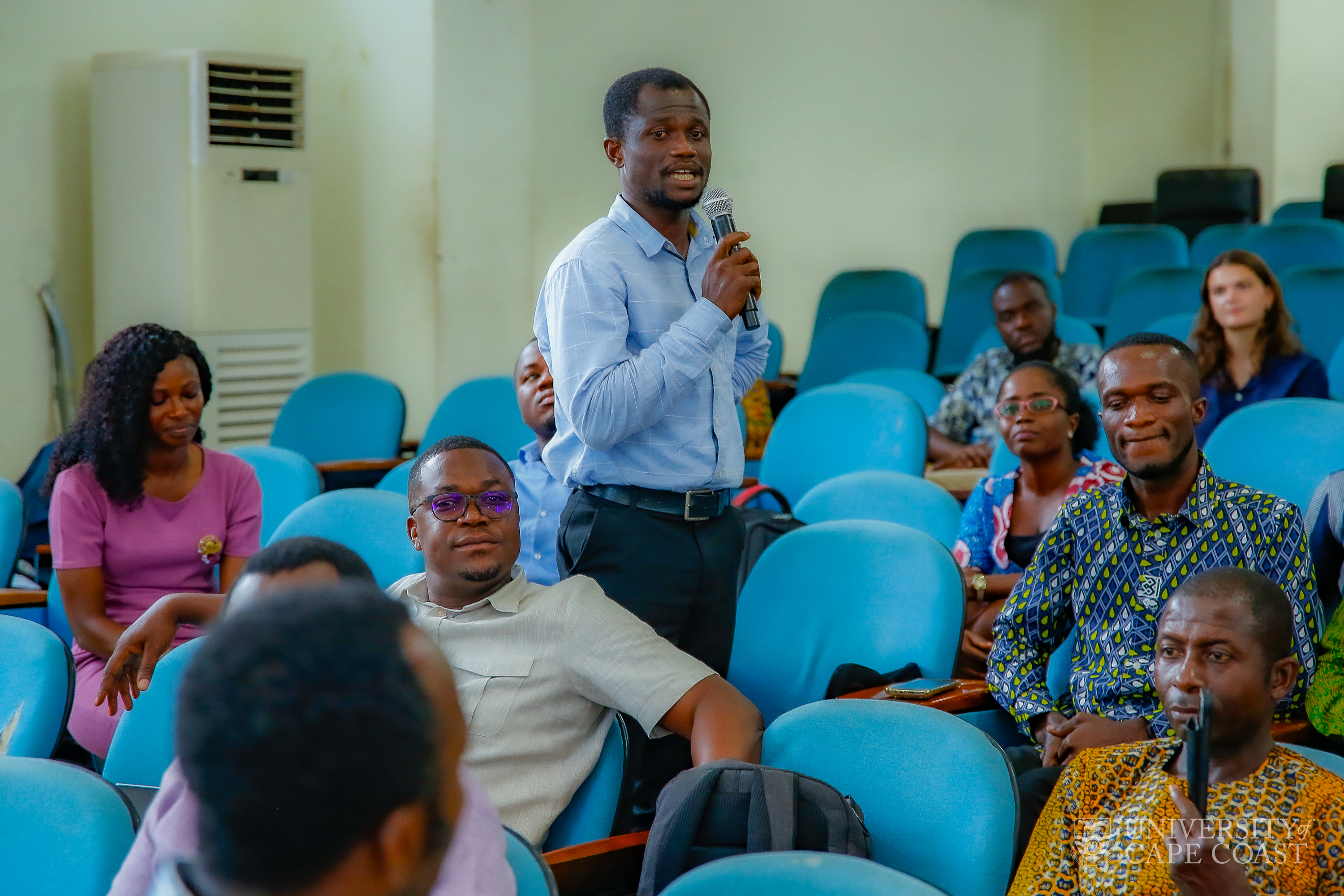
More than 70 farmers attended the event and shared their experiences working with the researchers, including their assessments of the technologies’ usefulness on their farms.
The farmers overwhelmingly affirmed the researchers’ findings and described innovative ways they have applied the amendments in their own farming practices.
District Directors of the Ministry of Food and Agriculture (MoFA) from the respective regions also shared their perspectives on the project’s impact.
For his part, Dr. Emmanuel Arthur of the Department of Crop Science at UCC highlighted the infrastructure capacity developed at the two universities throughout the project, including laboratory and field equipment and office furnishings.