
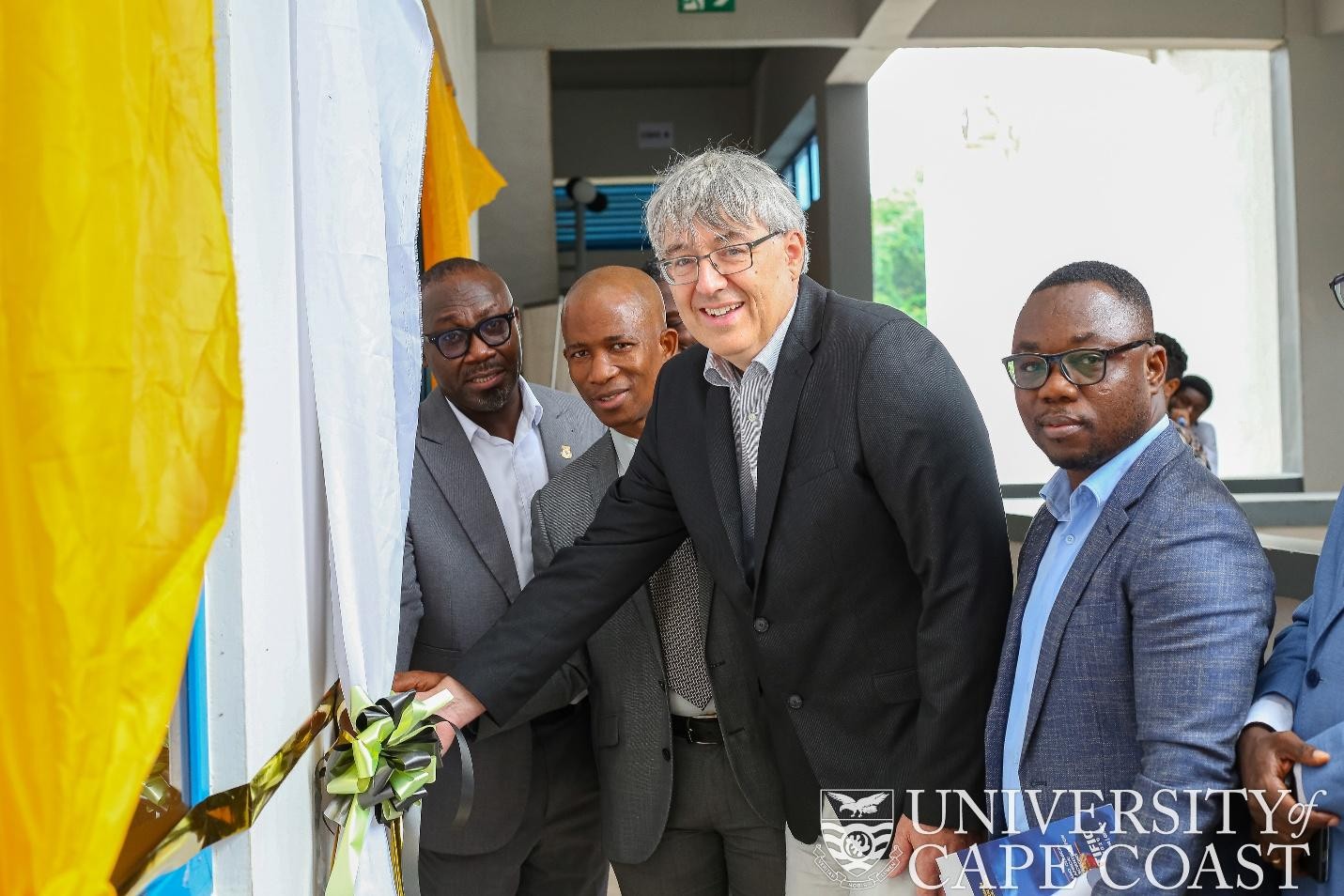
The School of Optometry and Vision Science (SOVS) has officially inaugurated its Eye and Vision Research Centre (EVRC).
The state-of-the-art facility, first of its kind in Sub-Saharan Africa, is designed to serve as the hub for rigorous inquiry, discovery, and innovation.
It features two specialised laboratories: the Diagnostic and Visual Function Research Laboratory (DiVFuR) and the Ocular Imaging and Assessment Laboratory.
The centre is located in the Science Annex Building.
The inauguration of the facility also saw the launch of the first Vision Science Africa Exchange (ViSAX-25), which will bring together young researchers from Ghana, Nigeria, and Rwanda, in collaboration with longstanding partners at the University of Freiburg, Germany.
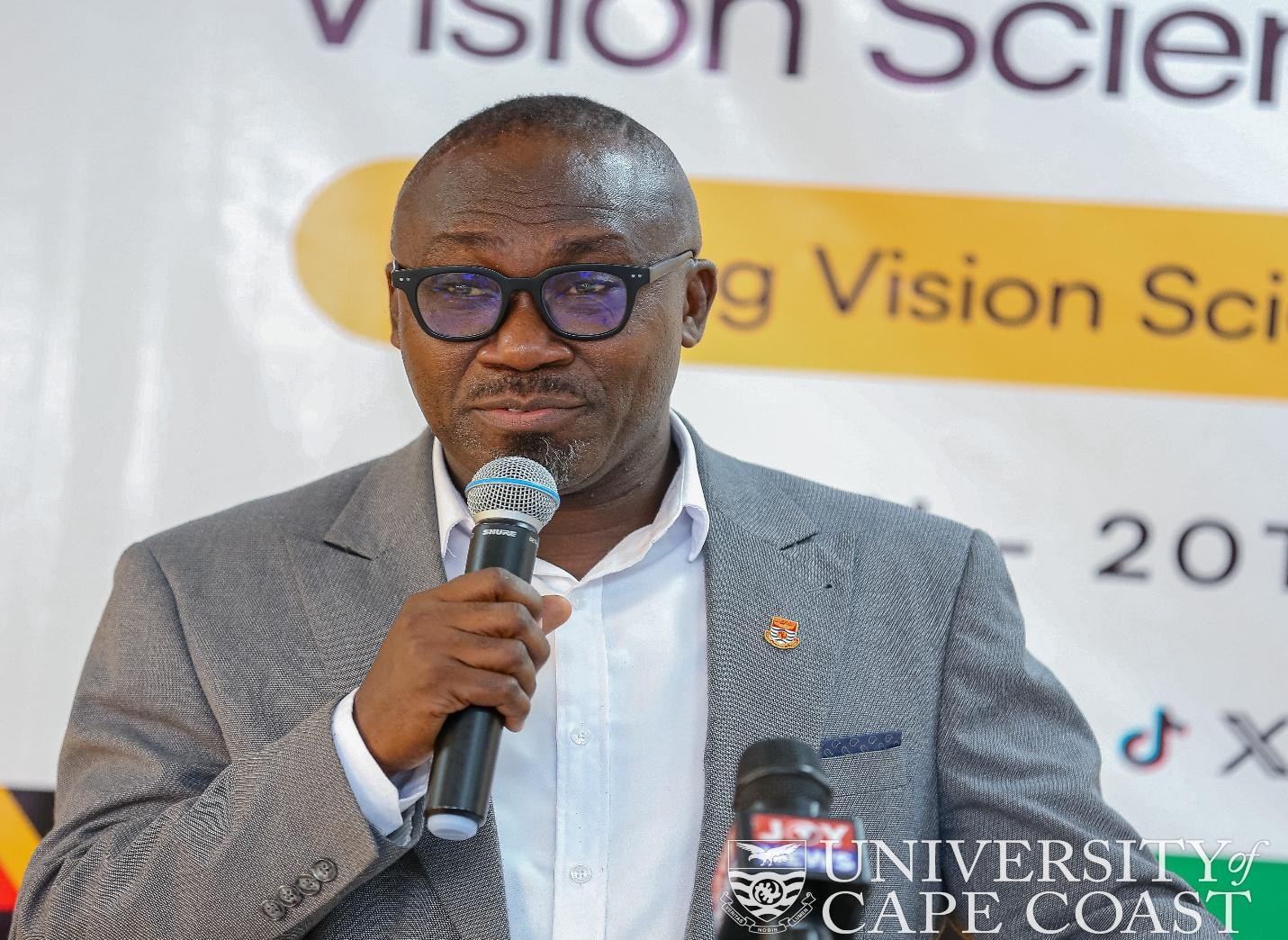
Pro VC, Prof. Denis Aheto
The Pro Vice-Chancellor, Prof. Denis Aheto, who chaired the event, commended the School and its partners for their collaborative efforts in establishing the impressive research centre.
“These two milestones not only celebrate the growth of SOVS but also showcase the University’s enduring commitment to research excellence, innovation, and international collaboration,” he said.
According to him, the laboratory would serve as a critical base for advanced imaging and clinical assessment research, while also supporting training and innovation in eye care.
Prof. Aheto expressed excitement that the ViSAX-25 would not only train the next generation of optometrists but also strengthen Africa’s research capacity in clinical and experimental vision science.
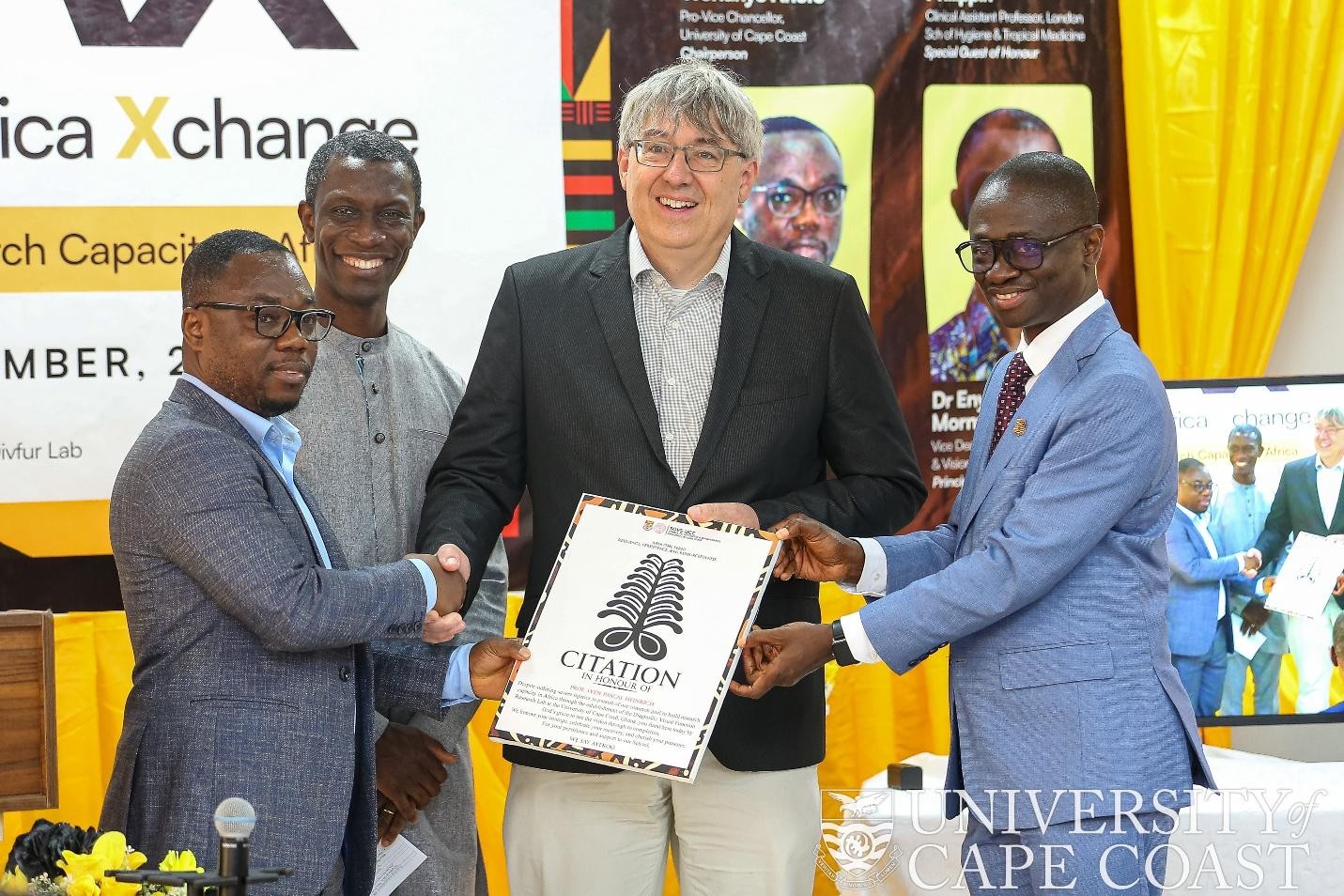
Prof. Sven Heinrich of the University of Freiburg, Germany, receiving a citation of honour from SOVS for his immense contribution to the establishment of the lab
He expressed immense appreciation to Prof. Sven Heinrich of the University of Freiburg in Germany for his continuous assistance to SOVS.
He said EVRC’s establishment and the launch of ViSAX-25 were fully aligned with theme one of UCC’s Corporate Strategic Plan (CSP) 2023–2027, “Building resilient teaching and learning culture”.
He added that the EVRC and ViSAX “advance these priorities by promoting responsible research, expanding postgraduate training, enhancing international partnerships, and strengthening UCC’s visibility in Africa and beyond.”
He paid glowing tribute to Professor Emeritus V.P.Y. Gadzekpo, whose leadership paved the way for the establishment of the Optometry programme at UCC, as well as to former Heads of Optometry, whose hard work, persistence, and foresight laid the foundation for today’s Eye and Vision Research Centre.
For his part, a Glaucoma Specialist with a clinical appointment at the Eye Centre of University Hospitals Freiburg, Germany, Dr. Heiko Philippin, who briefly spoke of Translating Vision Research in a Regional Context, urged Ghanaians to take proactive steps to prevent glaucoma, a leading cause of irreversible blindness.
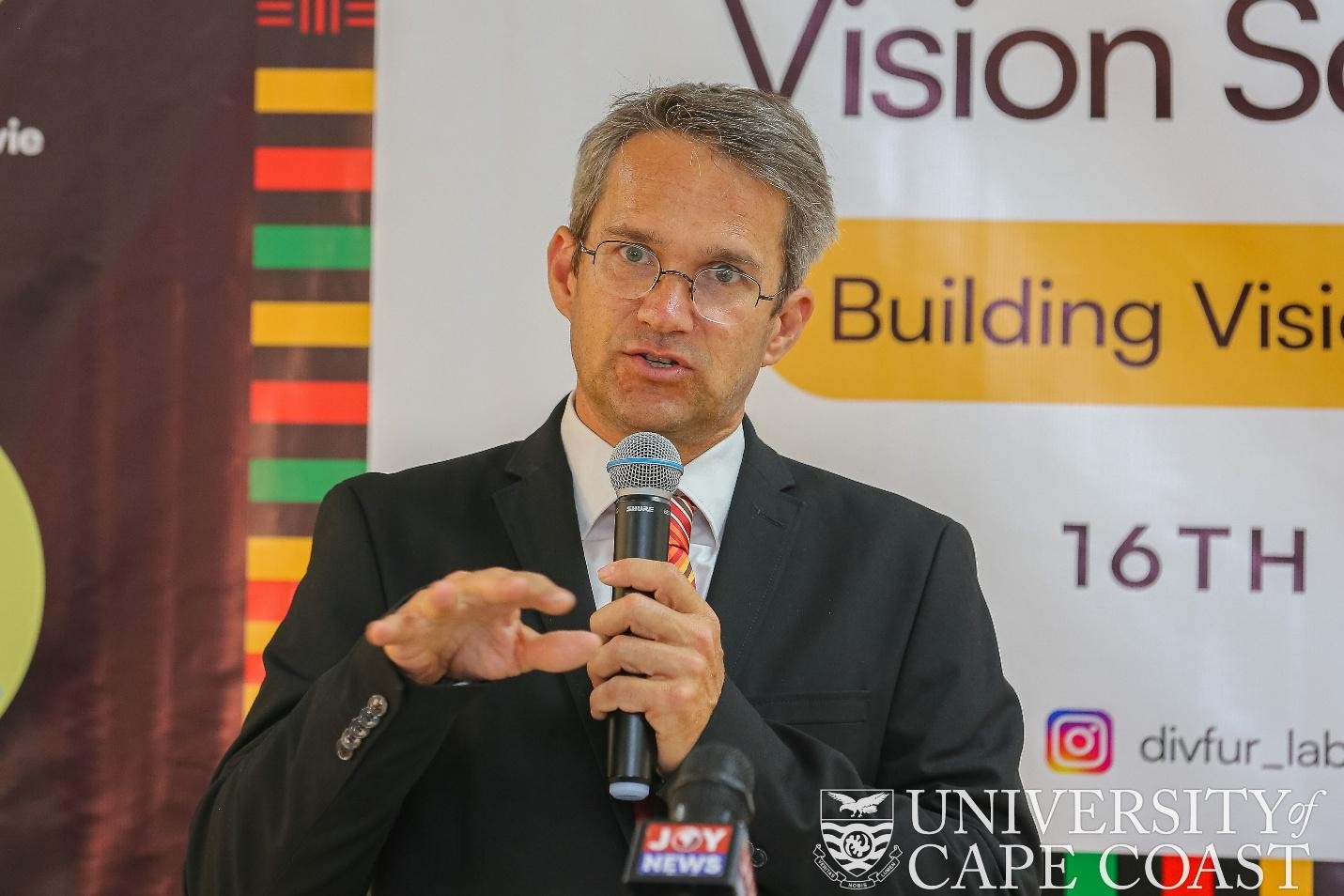
Dr. Heiko Philippin
He stressed that many Ghanaians were unaware that they had glaucoma until they experienced significant vision loss.
While urging Ghanaians to prioritise eye health by undergoing regular check-ups, he also warned that the risk of developing glaucoma increased with age and among people with a family history of the disease.
The Dean of SOVS, Prof. Stephen Ocansey, earlier in a welcome address, described the EVRC as more than laboratory, calling it a symbol of SOVS' transformation into a fully-fledged School with continental and global relevance.
He also urged students and researchers to take advantage of the EVRC to broaden their research works.
The UCC Project Lead, Dr. Enyam Morny, presented the vision and goals of the programme Vision Science Africa Exchange 2025 (ViSAX-25).
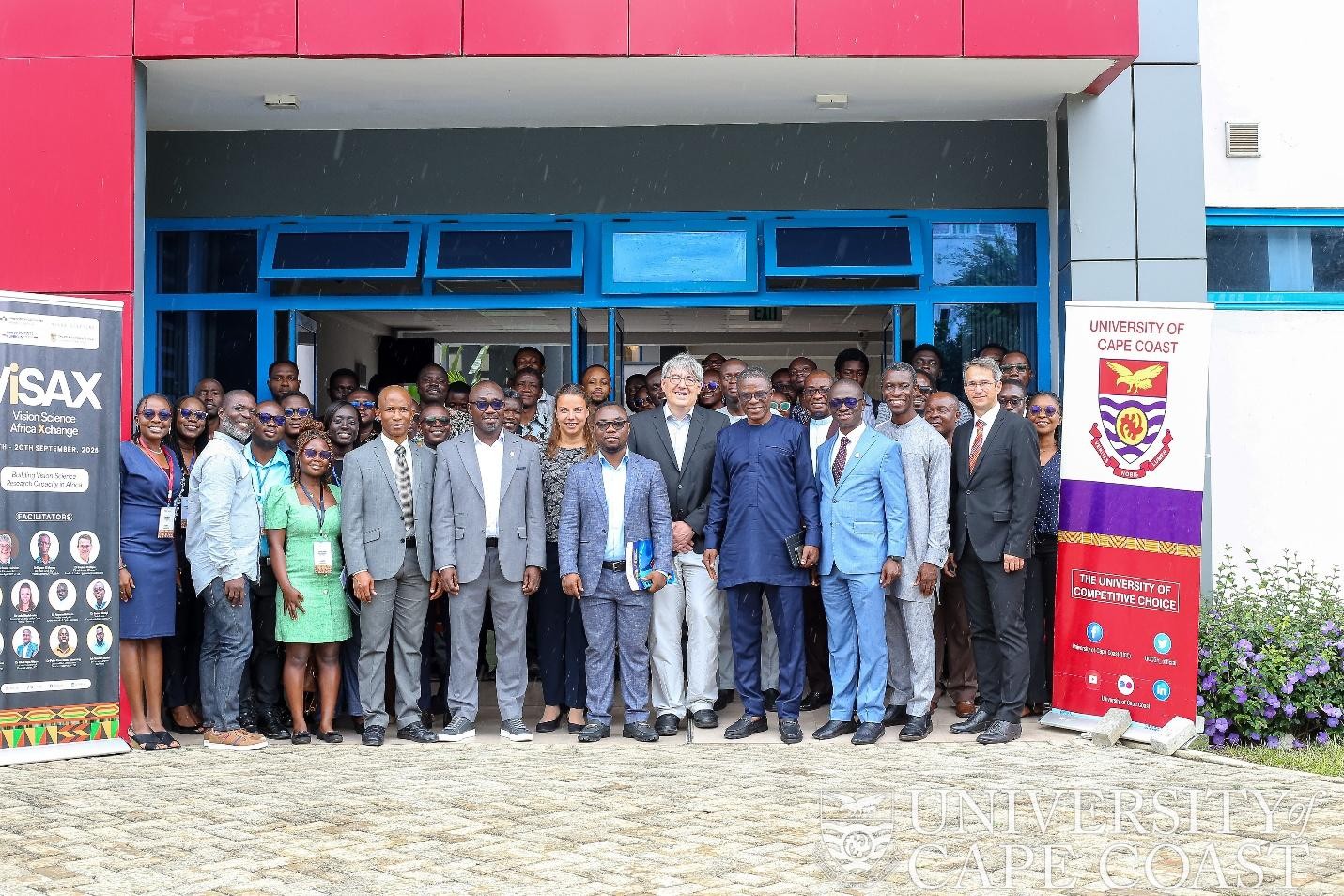
A group photo of participants in the launch of ViSAX-25
Following the ceremony, dignitaries toured the new centre and expressed admiration for the high-quality resources and infrastructure, noting its potential to significantly enhance optometry practice in the country.
Source: Documentation and Information Section-UCC

Dr. Ismael Nii Ofori
Current Head, Department of Medical Imaging and Sonography Technology
View Profile
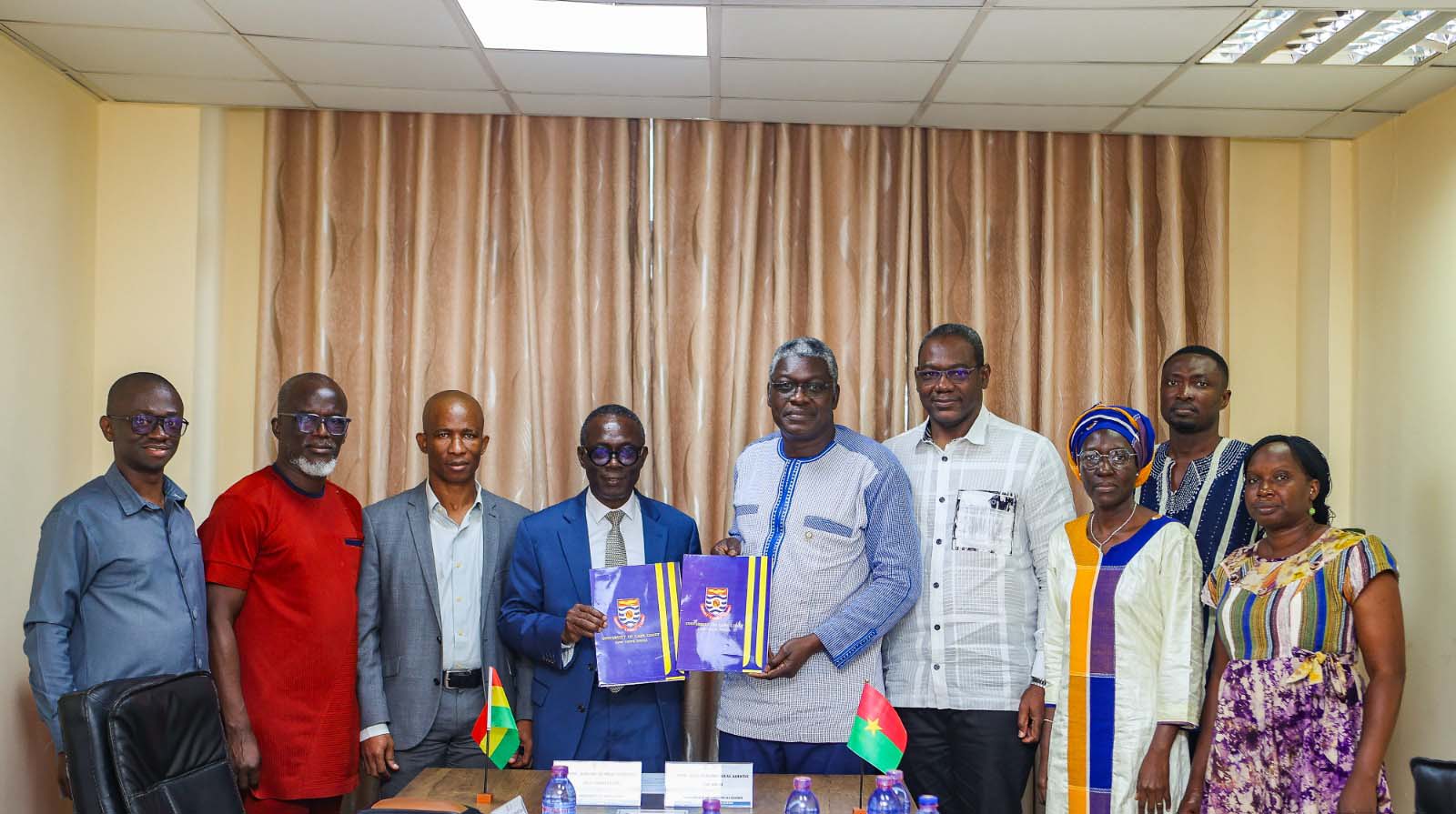
The University of Cape Coast (UCC) and the Universite Joseph Ki-Zerbo (UJKZ) in Burkina Faso have signed a Memorandum of Understanding (MoU) to strengthen academic collaboration between the two institutions.
The two institutions have agreed to collaborate in the areas of exchange of faculty members and postgraduate students, joint research and supervision, participation in seminars and academic meetings.
Other areas of the collaboration are exchange of academic materials and other information, short-term training/workshops and academic and staff development projects.
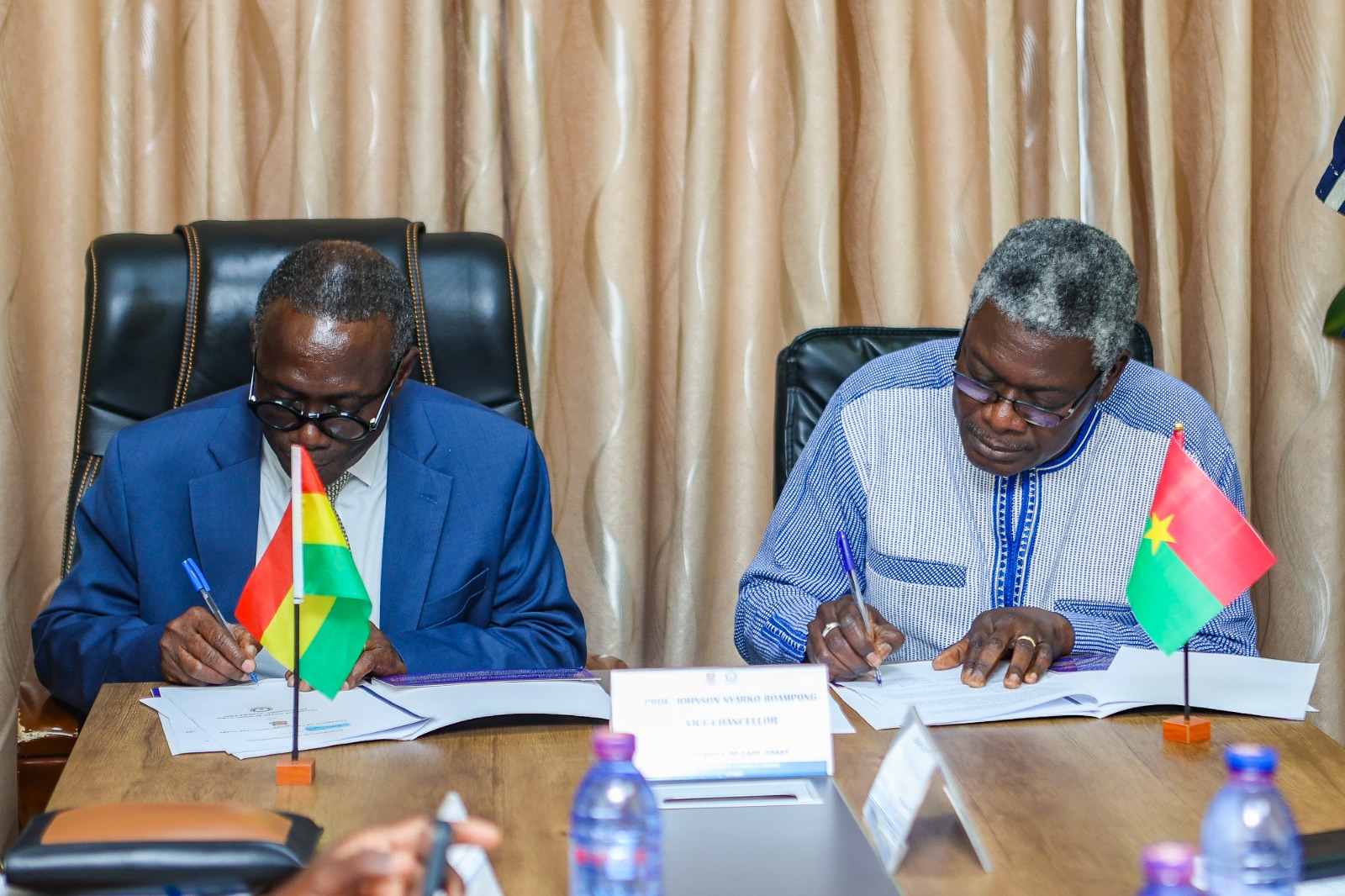
The Vice-Chancellor of UCC, Prof. Johnson Nyarko Boampong and the President of Universite Joseph Ki-Zerbo jointly signing the MoU
Speaking at the signing ceremony, the Vice-Chancellor, Prof. Johnson Nyarko Boampong was excited for the partnership. He indicated that it was high time African universities began to enter into collaborations that would turn the fortunes of the continent around. “African universities must prioritise collaboration among ourselves. We can only transform the continent if we are united as academia to address challenges confronting us”, he noted.
Prof. Boampong said it was unfortunate that Ghana had not taken advantage of its strategic location within three francophone countries to produce bilingual scholars. “Ghana shares close relationships with its francophone neighbours-Burkina Faso, Togo and La Cote D’Ivoire, however, most of our scholars cannot even speak French. Our Francophone neighbours are trying their best to express themselves in English. It is my expectation that this new collaboration will help bridge this language gap”, he noted.
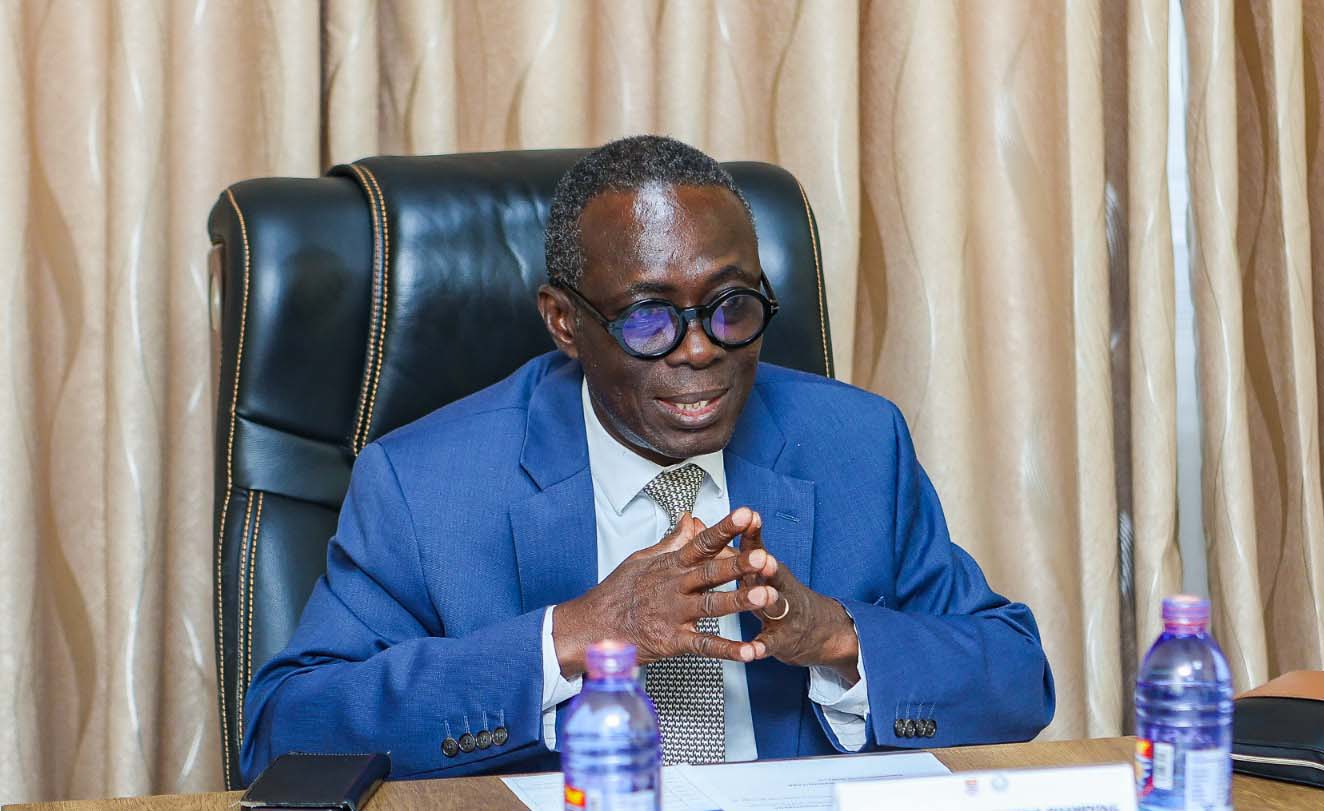
Prof. Johnson Nyarko Boampong
The President of UJKZ, Prof. Jean François Silas Kobiane, said his institution was committed to making the collaboration stand the test of time. He noted that it was important for the two universities to push for the collaboration to succeed to boost South-South cooperation. “We can do a lot if we come together as Africans with a common goal of transforming our continent,” he stressed.
He used the opportunity to invite the management of UCC to climax the 50th anniversary of UJKZ in Ouagadougou. The UJKJ team interacted with faculty from the Departments and Schools in the College of Health and Allied Sciences
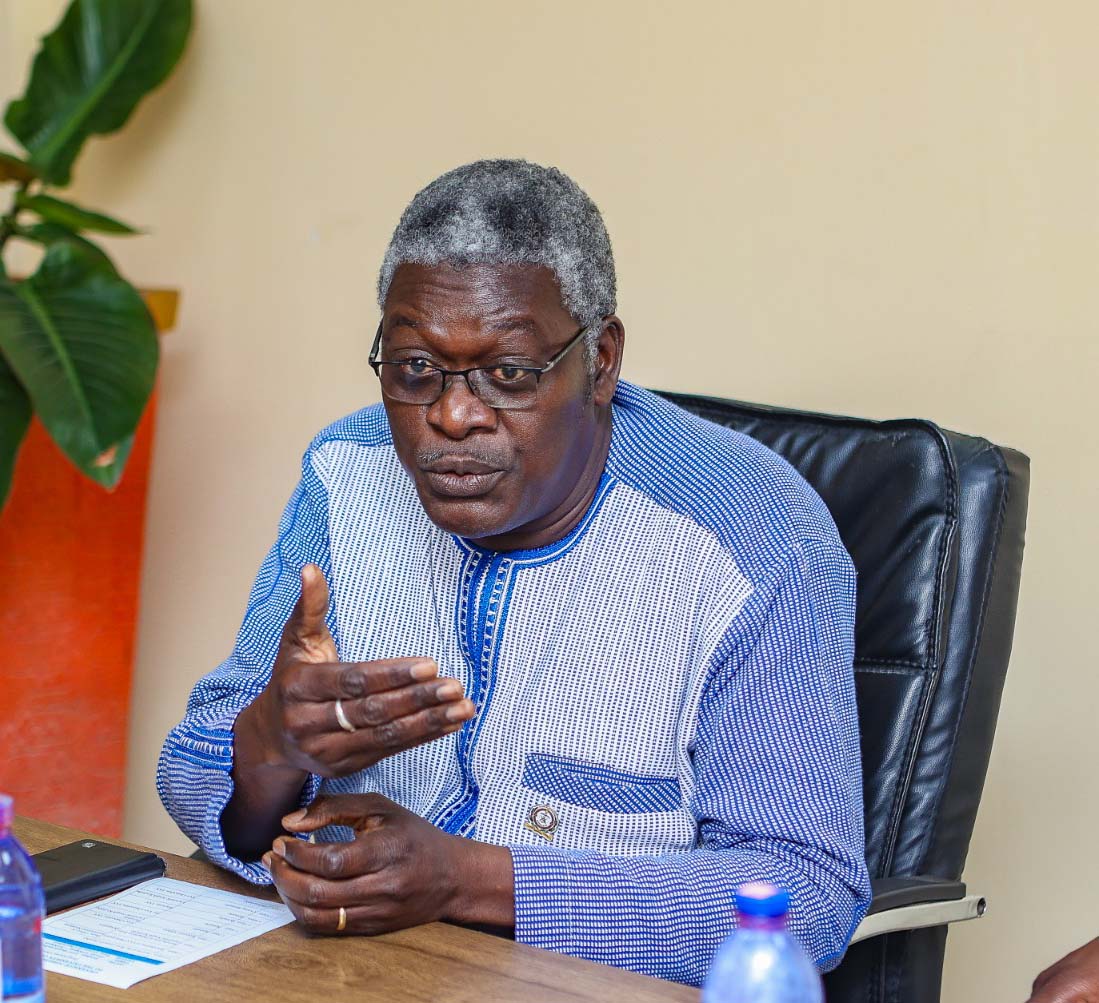
Other members of the delegation from UJKZ were the Vice-President for Research and International Cooperation, Prof. Adama Sanou, Director of International Cooperation and Faculty Staff Promotion, Prof. Wendyam Marie Christelle Nadembega and Counsellor at the Burkina Faso Embassy in Ghana, Mrs. Fatoumata Quedraogo.
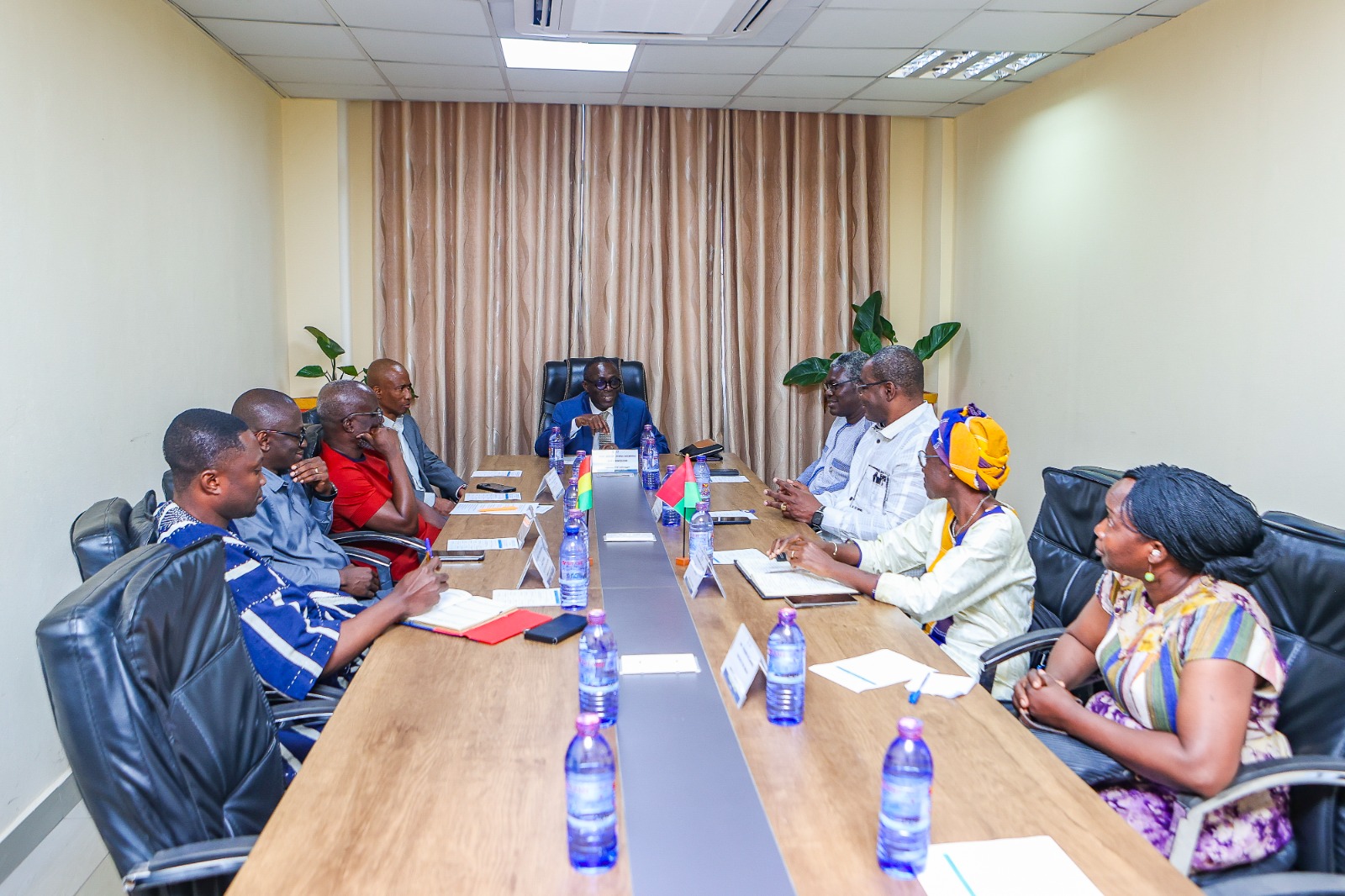
The UCC officials present were the Registrar, Mr. Gideon Enoch Abbeyquaye, Provost, College of Health and Allied Sciences, Prof. Martins Ekor, Dean, Office of International Relations (OIR), Prof. Bert Boadi-Kusi and Assistant Registrar at OIR, Mr. Daniel Yeboah Mensah.
Source: Documentation and Information Section-UCC
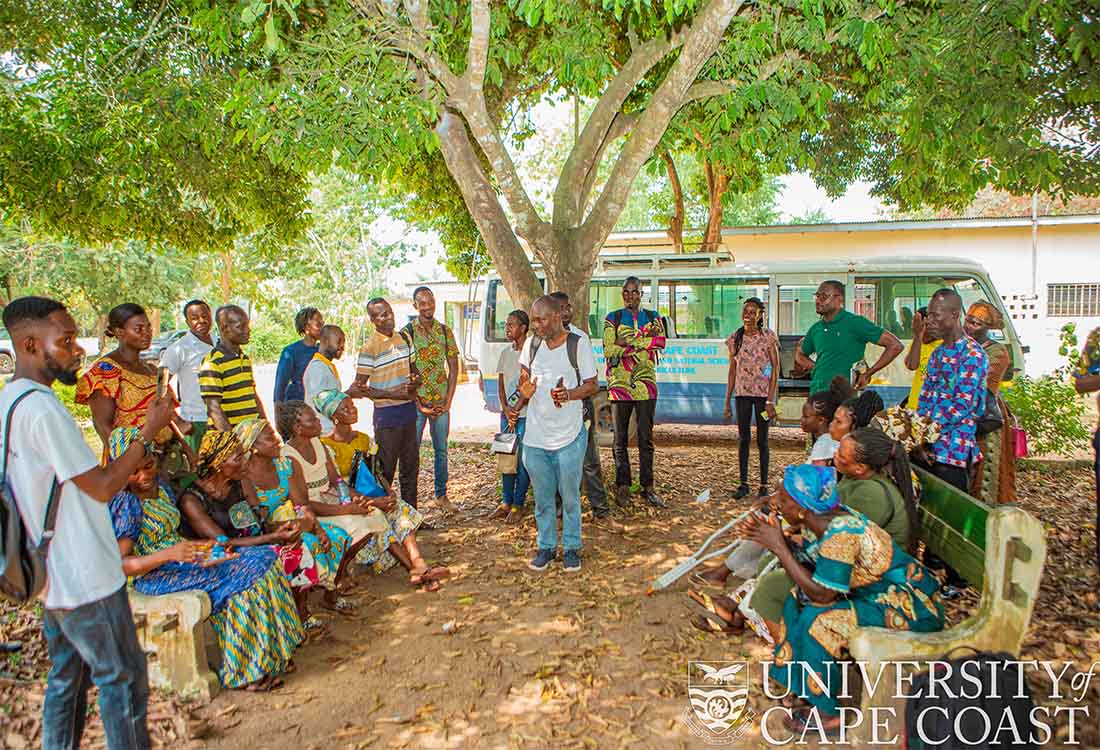
KEEA farmers trained to Boost Vegetable Production and Climate Resilience
Farmers and Agricultural Extension Officers in the Komenda-Edina-Eguafo-Abrem (KEEA) Municipality have received training in modern farming skills and best practices designed to enhance vegetable production and strengthen resilience to climate change.
The training formed part of the “FruitBunch Vegetable Farmers Resilience Project”, sponsored by the Danish Development Organisation (DANIDA). The project seeks to enhance food security, improve agricultural productivity, and build climate resilience in Ghana. It is spearheaded by Aarhus University (AU), Denmark, in partnership with the University of Cape Coast (UCC), the University of Ghana, and its research station at Kade.
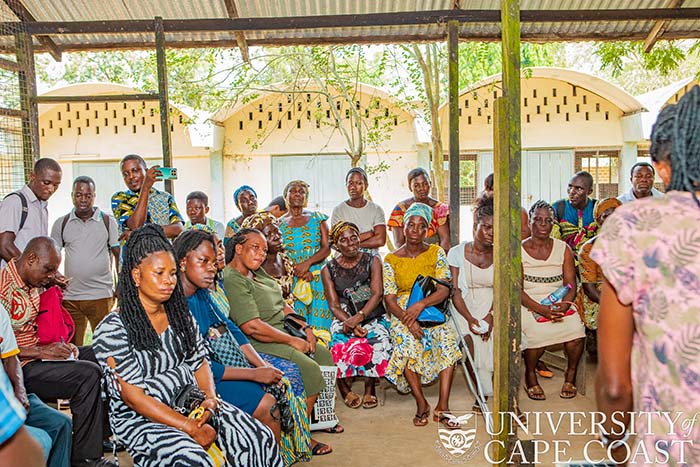
The farmers receiving training on FruitBunch Vegetable
Linking Research to Practice
Explaining the rationale for the training, the Co-Principal Investigator of the project, Dr. Alexander Tetteh Kwasi Nuer, in his presentation on leading the Inclusive Business Models and Socio-Economic component, said the project foucus was on crops such as eggplant and okra. He indicated that the project would promotes the use of soil amendments like biochar and compost, which improve crop viability at minimal cost.
“We looked at creating a sustainable, inclusive business model to ensure that farmers derive financial benefits from their farm products,” Dr. Nuer stated.
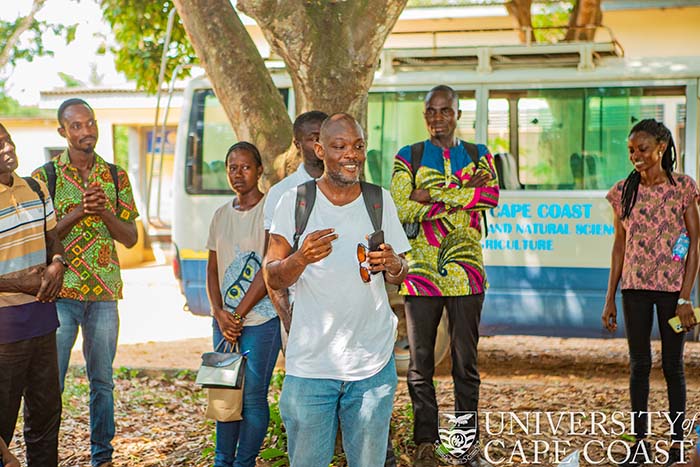
Dr. Nuer speaking to the farmers
He stressed that the project was a demonstration of how university research could be applied to solve real-world challenges:
“The research conducted by university scholars does not end up in libraries alone, it is being used by farmers. UCC has significantly contributed to this project, with Masters and Ph.D. graduates in agricultural economics, crop and soil sciences providing valuable research inputs,” he noted.
Collaborative Approach
Dr. Nuer described the project as a result-oriented partnership involving multiple stakeholders.
“We want the public to know that collaboration works. Together, farmers, scientists, and businesses can improve agribusiness in Ghana. Farmers bring experience, scientists contribute knowledge, and businesses provide resources to create a holistic approach to agricultural development,” he added.
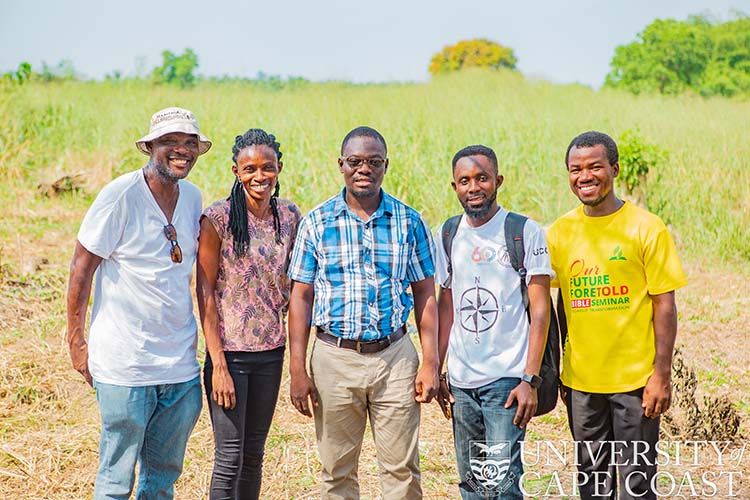
Project team members
Training Focus
As part of the project, farmers were trained in business acumen, entrepreneurship, and financial management, in addition to practical techniques such as seed nurturing with potting mix, crates, and trays. These methods improve seed viability, reduce early disease risks, and ensure stronger seedlings before field transplantation.
Ms. Dorcas Blankson, a Ph.D. student on the project at UCC, explained the benefits of the potting mix:
“It is very effective and simplifies monitoring of seedlings. You can rest assured that your seeds are healthy and free from early infections,” she said.
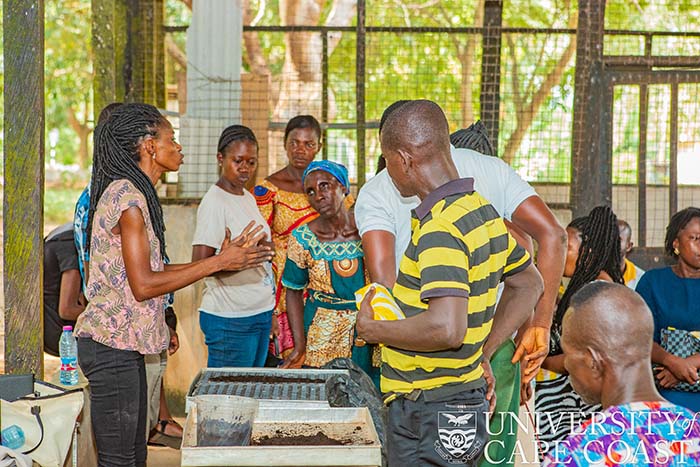
Ms. Dorcas Blankson demonstrating potting mis to the farmers
Addressing the farmers, a Senior Researcher on the project, Dr. Kofi Atiah, shared the importance of reusing farm and household residues as alternative fertilizers to enrich soil health. He noted that empty oil palm fruit bunches have been repurposed, contributing to a circular economy within farming communities.
Source: Documentation and Information Section-UCC