UCC

  • Main
  • Staff
  • Home
  • About UCC
  • Libraries
  • Alumni
  • Staff Directory
  • Financial Support
  • Forms
  • E-Learning
  • International Office
  • Web Services
  • Contacts & maps
  • A to Z list
  • Sitemap
  • EXPLORE UCC
    • Awards & achievements
      • Honorary Degree Award
    • Corporate Strategic Plan
    • Plans & policies
    • Governance and Administration
    • Statutes of UCC
    • Annual Report
    • Our Campus
      • Halls
        • Adehye
        • Atlantic
        • Casley Hayford
        • Kwame Nkrumah
        • Oguaa Hall
        • Valco
    • History
    • Book/Paper Collaborations
    • Recreational & Social Activities
    • Useful Facilities
    • Resources
    • Data Hub
      • Enrollment, Courses and Graduation Statistics (2022/2023)
      • Research and Financial Statistics
      • UCC Summary Statistics
      • Fast Facts
    • SDGs Report 2024
  • ACADEMICS
    • Academic Calendar
    • Programmes
      • All
      • Non-degree
      • Undergraduate
      • Masters
      • Doctorate
    • Colleges
    • Faculties and Schools
    • Departments
    • Affiliate Institutions
    • Africa Centre of Excellence in Coastal Resilience
    • Office of International Relations
    • Dean of Students' Affairs
    • Directorate Academic Planning and Quality Assurance
    • Directorate of Academic Affairs
    • School of Graduate Studies
  • APPLICANTS & STUDENTS
  • RESEARCH & INNOVATION
    • DRIC
    • Research Support Grant (RSG)
    • Conference Portal
    • UCC Scholar
  • LIBRARY
  • DISTANCE EDUCATION
  • NEWS & MEDIA
    • News
    • Events
    • Videos
    • VC's Desk
    • Inaugural Lectures
    • Press Releases

Search

  • Home

UCC Geography Department Hosts Lecture on Carbon Market Operations in Ghana

27 Jun, 2025 By DIS

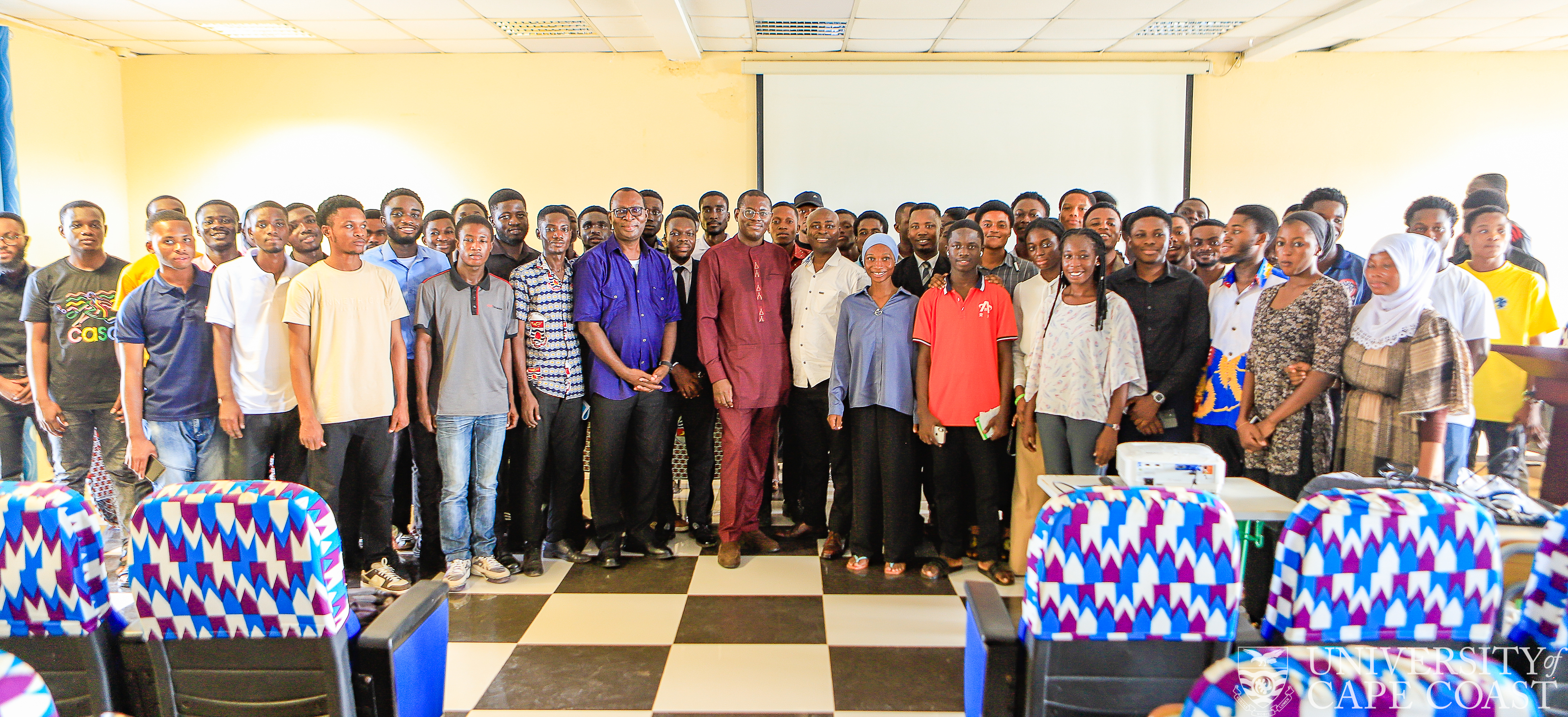
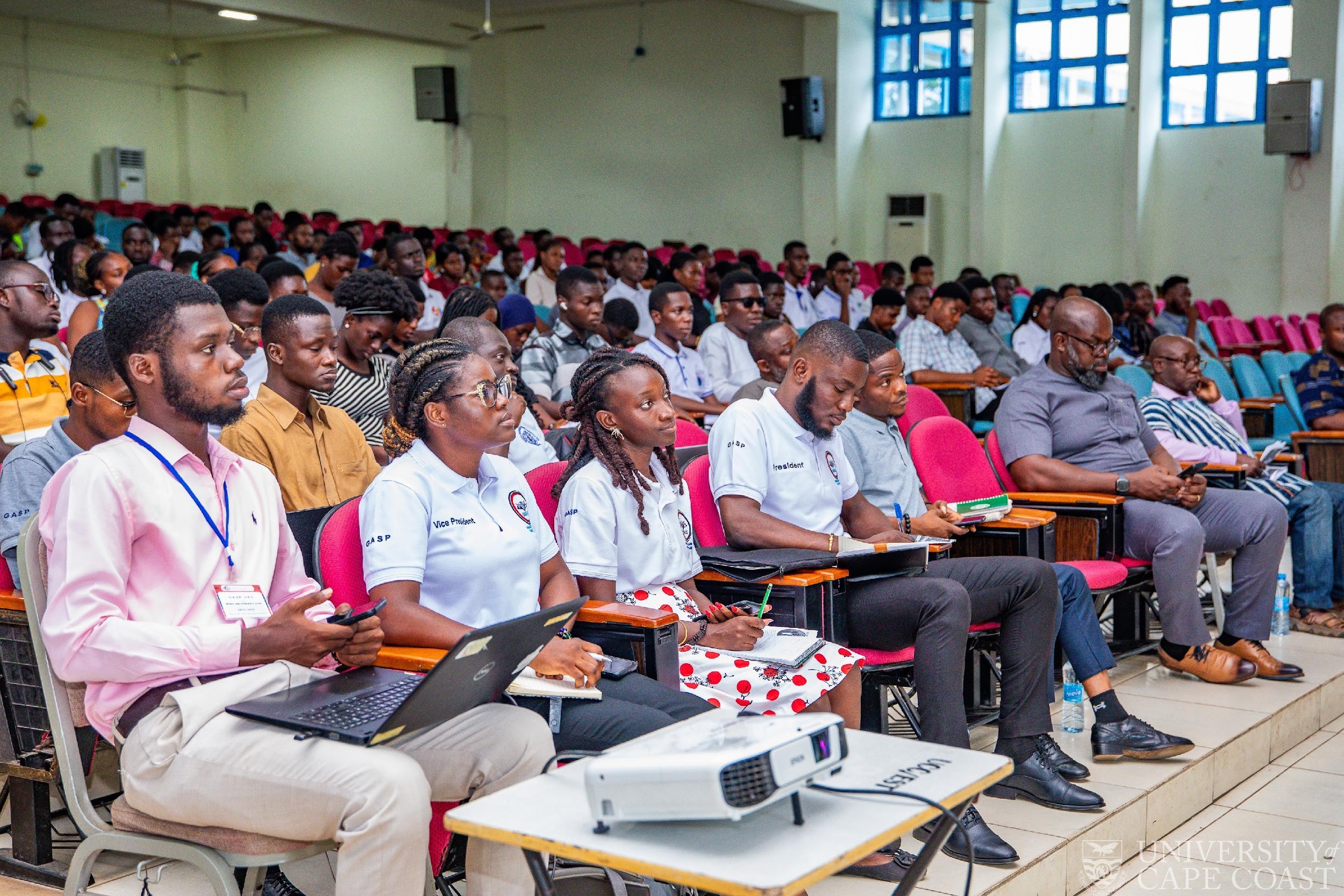
The Department of Geography and Regional Planning at the University of Cape Coast (UCC), in collaboration with the Ghana Association of Student Planners (GASP), has held a lecture on “The Carbon Market and Its Operations in the Ghanaian Context”. The event formed part of efforts to deepen awareness and participation in climate change solutions among students and the academic community.

The programme brought together faculty members, students, and environmental experts to discuss Ghana’s place in the evolving global carbon market and the mechanisms needed to leverage its opportunities for sustainable development. 

In his opening remarks, chairperson of the event and Head of the Department (HoD), Prof. Simon Mariwah, emphasised Ghana’s potential role in carbon trading.

“Ghana sits at an important position to take advantage of the carbon market,” he stated, encouraging attendees to make the most out of the lecture.

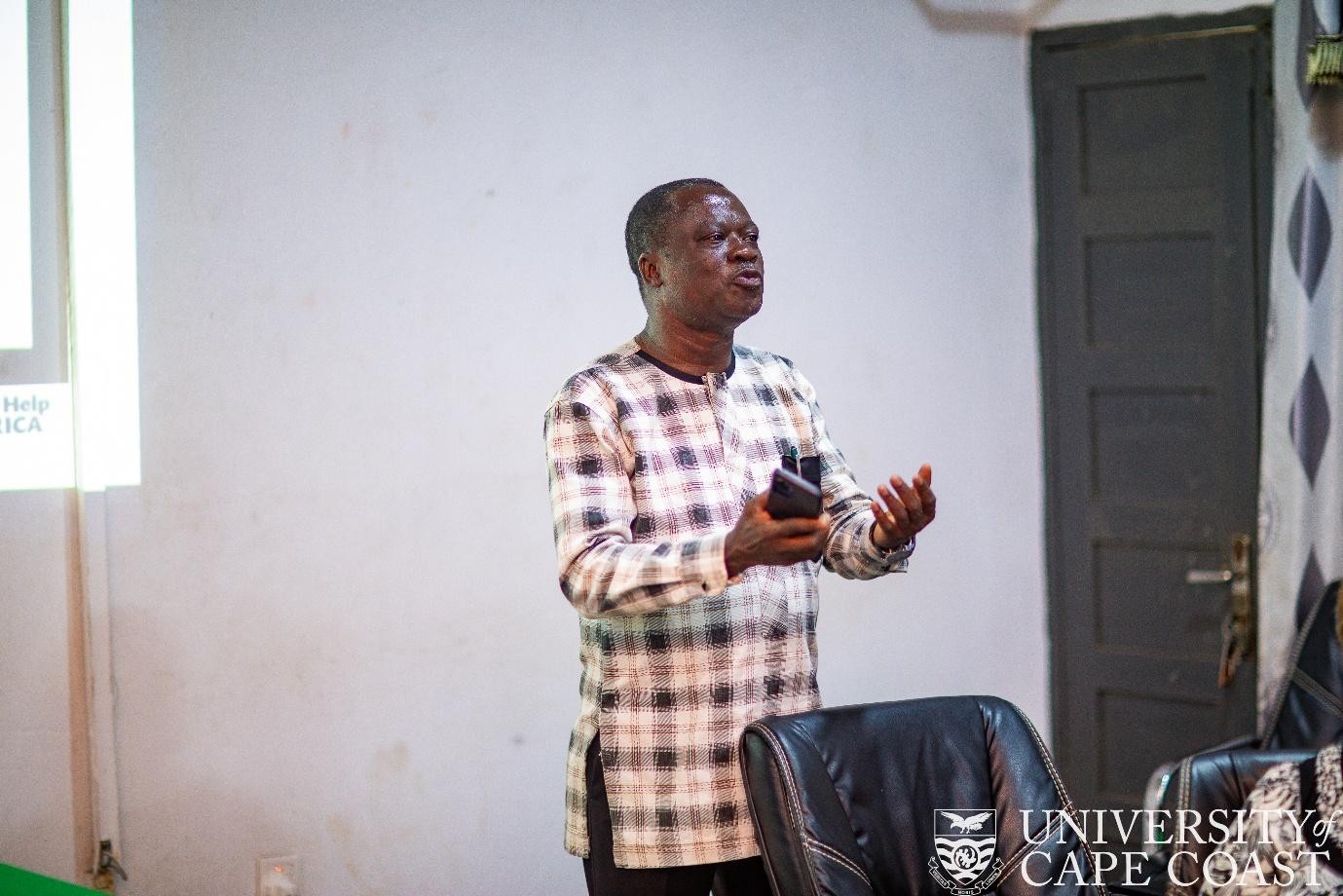
The guest speaker, Mr. Isaac Kwabena Danso, Assistant Programme Officer at the Environmental Protection Agency (EPA), Climate Change Unit, delivered a presentation on the challenges and opportunities the carbon market presents for developing nations like Ghana. He noted that many of the country’s developmental activities also contributed to greenhouse gas emissions.

“The things we have to do as a country to develop are the same things that emit these gases. So, there is a need to know how to manage it – for example, in agriculture, transport, and industry,” he explained.

Mr. Danso took participants through key milestones in global climate action, including the 1992 Earth Summit, the role of the United Nations Framework Convention on Climate Change (UNFCCC), and the significance of the Paris Agreement. He elaborated on Article 4 of the Agreement, which mandates countries to establish Nationally Determined Contributions (NDCs), and outlined the main emission target strategies: Absolute emission reduction targets, Emission intensity targets, peaking targets and Business-as-usual targets.

He concluded by stressing the importance of strategic planning and policy development in helping Ghana align its development path with international climate goals.

Prof. Collins Adjei Mensah from the Department noted the need to address carbon emissions, describing carbon as “dominant” among atmospheric pollutants. He added that the lecture would help participants gain critical insights into carbon operations in the country.

Source: Documentation and Information Section-UCC


DRIC equips Faculty with Grant Proposal Writing Skills

26 Jun, 2025 By louis Mensah

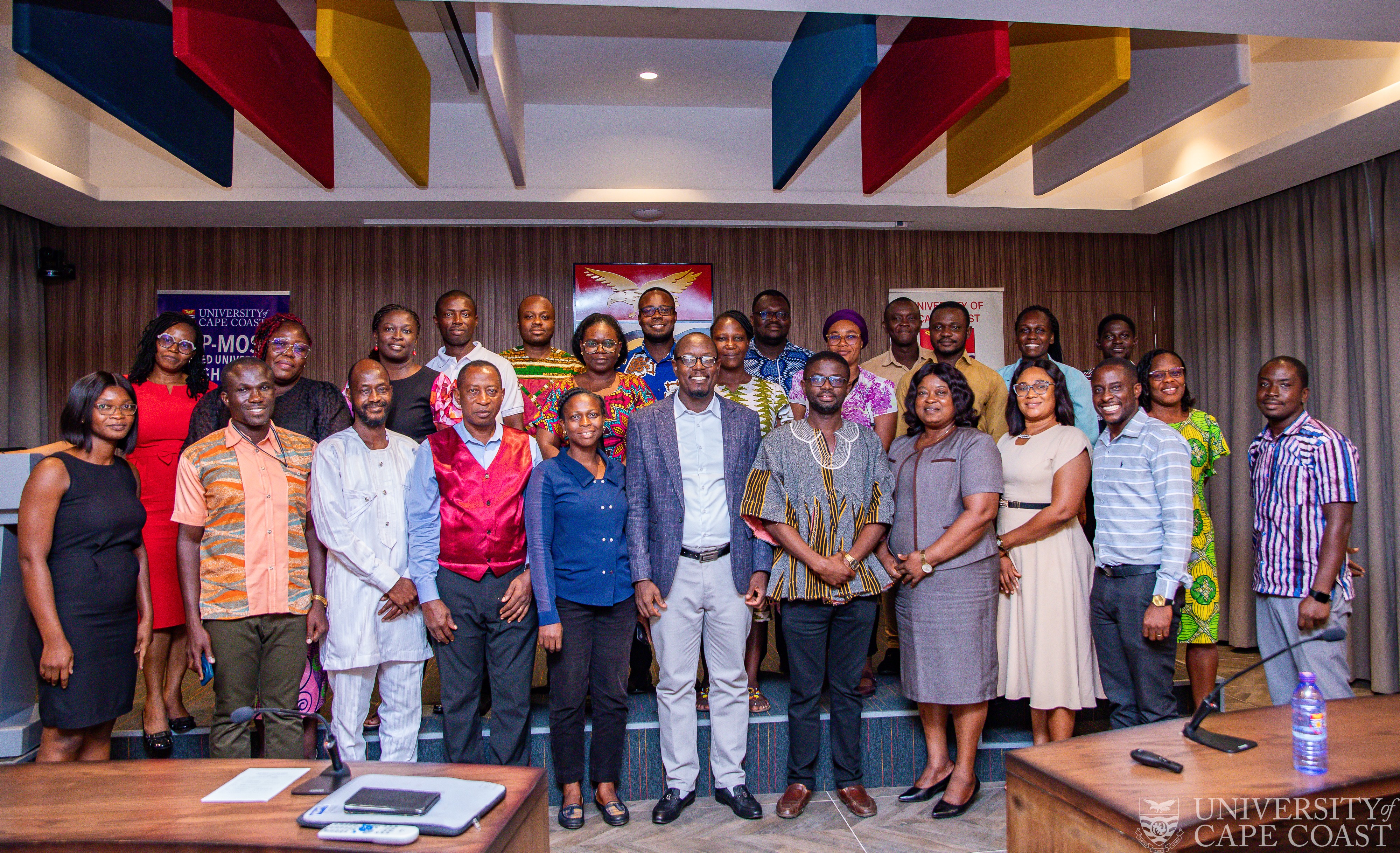
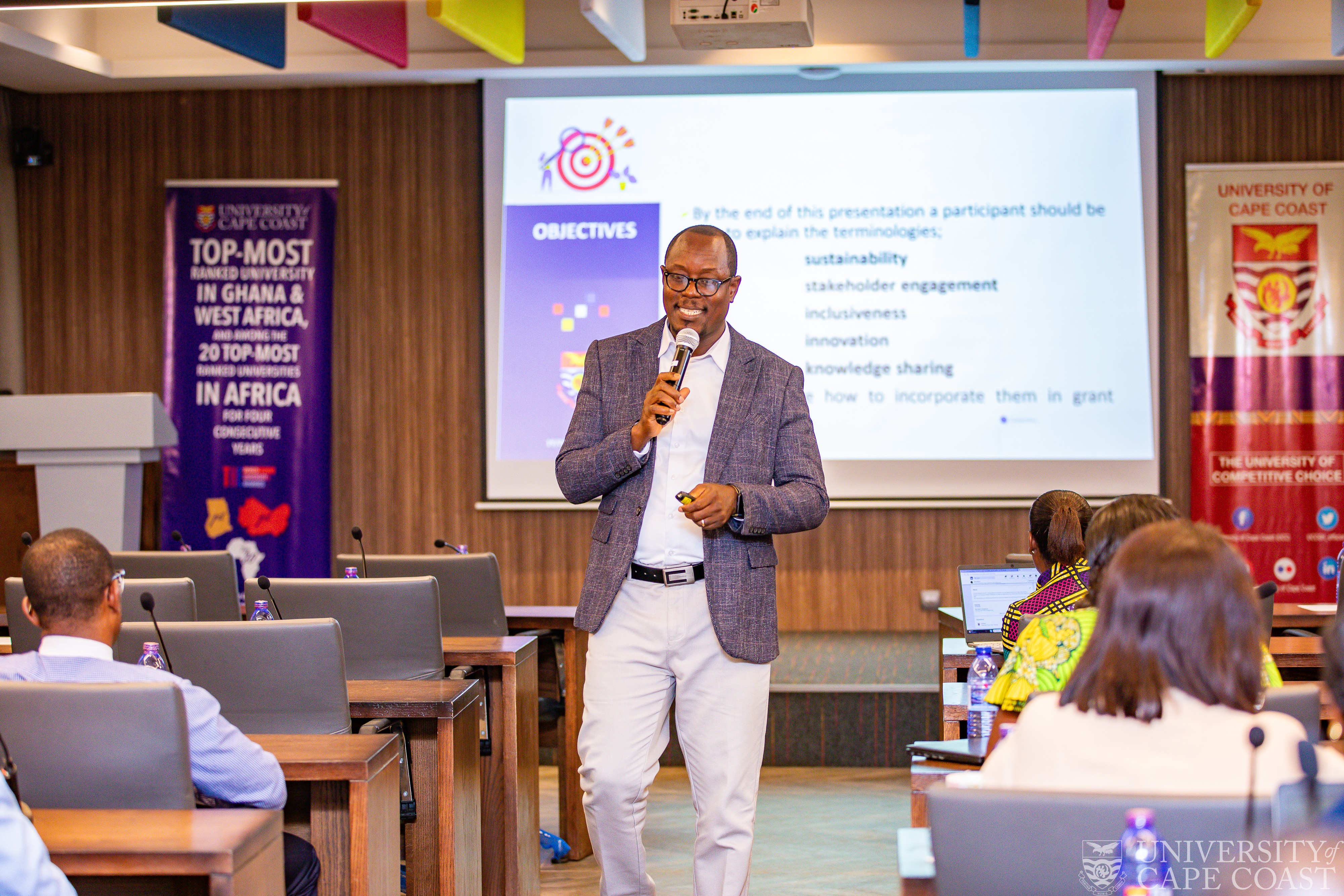
The Directorate of Research Innovation and Consultancy (DRIC) has organised a grantsmanship workshop to equip faculty with the requisite grant proposal writing skills.

The two-day workshop, which was held in collaboration with the Training and Development Section of the Directorate of Human Resource, was aimed at guiding participants through the process of writing effective grant proposals.

Participants were taken through research impact, sustainability of funds, and budgeting and financial planning.

Facilitators, including a Deputy Director of DRIC, Dr. Brandford Bervell, Prof. Francis Annor, and a Research Fellow at DRIC, Dr. Alex Boadi Dankyi, led the opening sessions, providing valuable insights into grantsmanship and identifying funding opportunities for faculty and researchers.

annor.jpg

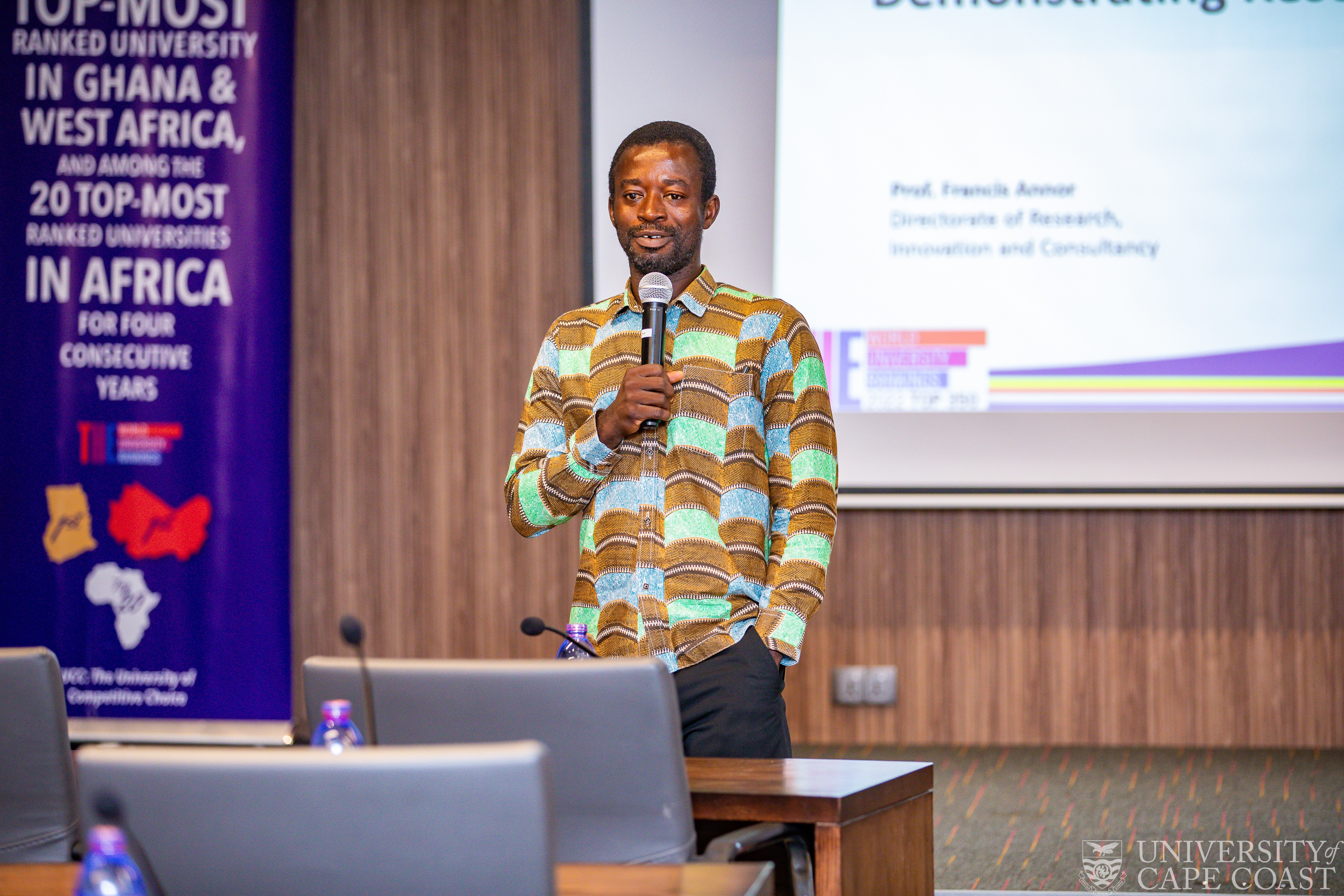
Prof. Francis Annor addressing the event

Prof. Francis Annor, speaking on Research Impact, encouraged researchers to ensure that their research had an impact on society.

"Research impact can manifest in advancements in knowledge, policy changes, new technologies, and improvements in health and well-being," he added.

Prof. Annor stressed that the impact went beyond the publishing of research findings and urged researchers to engage key stakeholders in their research for their input.

He indicated that there were many research impacts, including academic, social, cultural, health, environmental, and economic.

He also encouraged participants to stay informed about potential funding opportunities by attending relevant conferences, subscribing to funding tools, and exploring platforms like Research Professional Africa.

Dr. Brandford Bervell, speaking on the topic, ‘Sustainability of Funds,’ urged researchers to sustain the gains in their project even after the tenure of the project.

berty.jpg

Dr. Brandford Bervell

According to him, funders support projects, and when they mature for three or five years, they expect researchers to sustain the project beyond the lifespan of the funding.

He urged researchers to meet the expectations of donors or funders to attract more funding from the funding organisation.

Some participants in the training

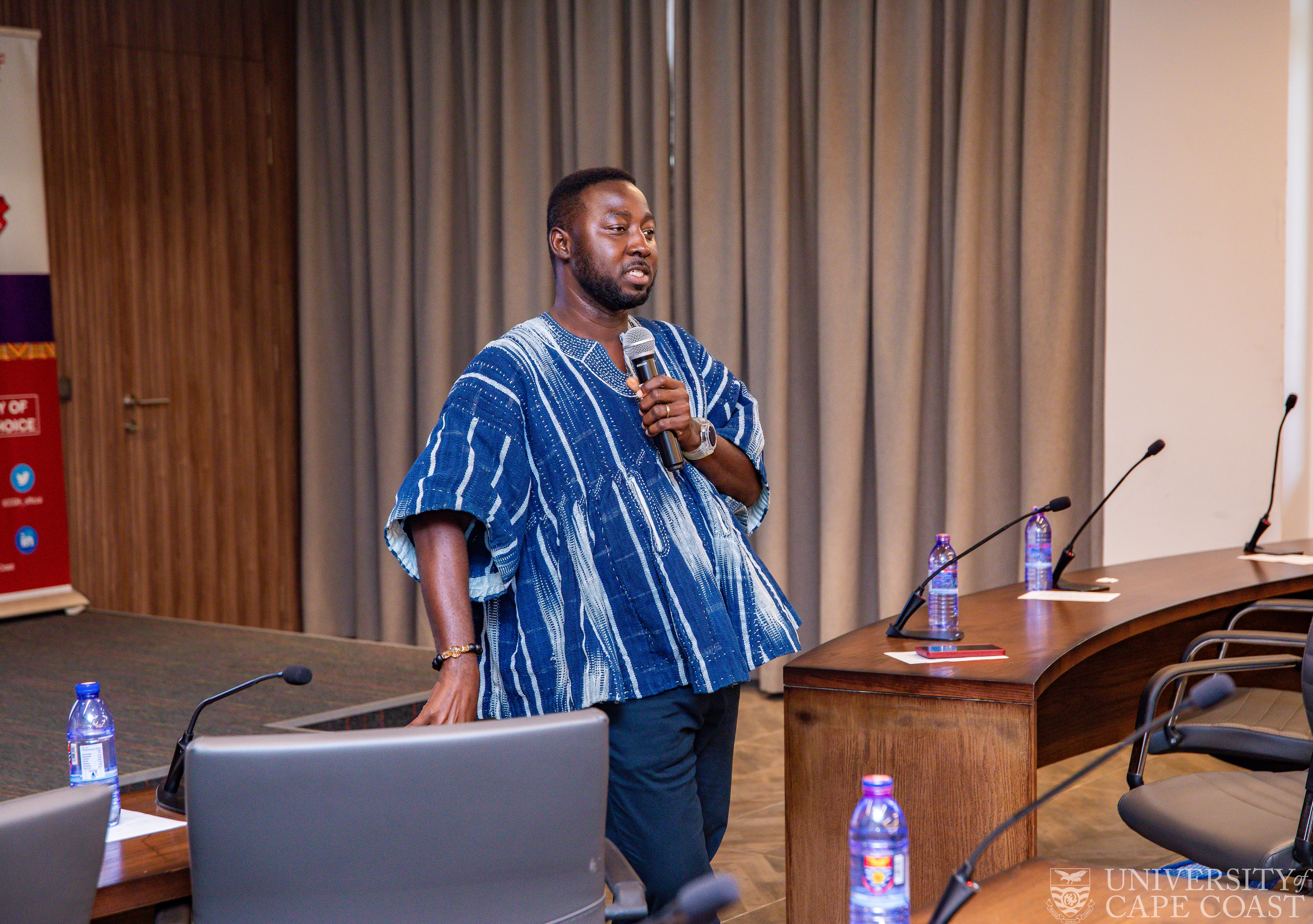
For his part, a Technology Transfer Officer at DRIC, Mr. Isaac Nketsiah, speaking on Intellectual Property (IP), advised researchers to develop intellectual property to guide their research and scholarly works to enable them to generate income from the commercialization of their works.

That, according to him, would enable them to protect their IP rights.

nke.jpg

Mr. Isaac Nketsiah

He explained to participants the impact of IP rights, such as patents, trademarks, and copyrights on their research innovations. 

Mr. Nketsiah encouraged faculty to visit DRIC to be abreast of the IP rights, to protect the ideas they had created

The sessions were followed by a practical activity where participants were divided into interdisciplinary groups and presented their proposals for feedback. Some participants were excited about the platform created to equip them with the grant proposal writing skills.

Ms. Ivy Serwaa Gyimah Akuoko, an Assistant Research Fellow at the Centre for Coastal Management – Africa Centre of Excellence for Coastal Resilience (ACECoR), expressed her excitement about learning grant writing techniques.

"When I saw the advertisement, it was a topic I was interested in and wanted to gain more insight into. I am also into many fisheries projects, so grants are important to us," she said.

Dr. Charles Roland Haruna, from the Department of Computer Science and Information Technology, also appreciated the practical approach of the workshop, particularly the sessions on identifying funding opportunities and seeking support before submitting applications.

"This experience has been transformative. It is not just about skills; it is about the mindset shift that I can contribute significantly to global research narratives," he added.

The workshop is a giant step in the ongoing attempt to produce a new batch of academics with the requisite grantsmanship skills.

With this initiative, the University aims to equip faculty members to contribute to the acquisition of knowledge and innovation across Africa.

Source: Documentation and Information Section-UCC


provosts_directors

UCC Governing Council Appoints New Provosts and Directors

24 Jun, 2025 By DIS

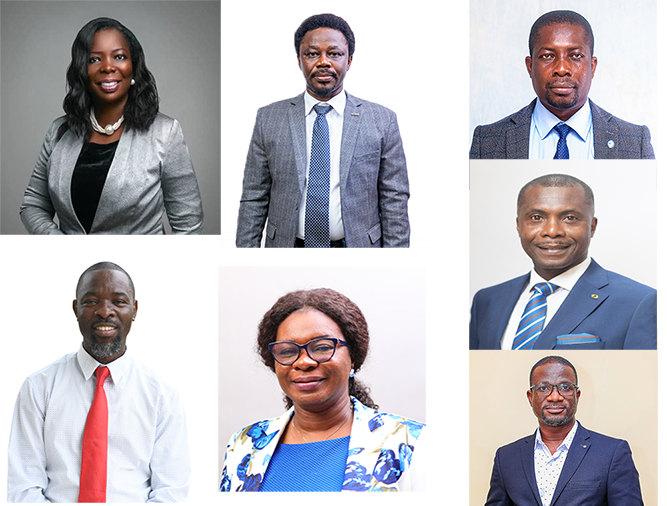
The Governing Council of the University of Cape Coast (UCC), acting on the recommendations of the Appointments and Promotions Board, has approved a number of key appointments to leadership positions within the University.

In a letter signed by the Registrar, Gideon Enoch Abbeyquaye (Esq.), the appointments take effect from August 1, 2025.

The newly appointed officials are:

prof._combey.jpg

Prof. Rofela Combey

Prof. Rofela Combey – Provost, College of Agriculture and Natural Sciences

prof._daniel_agyapong.jpg

Prof. Daniel Agyapong

Prof. Daniel Agyapong – Provost, College of Humanities and Legal Studies

prof._douglas_darko_agyei.png

Prof. Douglas Darko Agyei

Prof. Douglas Darko Agyei – Provost, College of Education Studies

prof._anokye_mohammed_adam.jpg

Prof. Anokye Mohammed Adam

Prof. Anokye Mohammed Adam – Provost, College of Distance Education

dr._atta_yeboah-sarapong.png

Dr. Atta Yeboah Sarpong

Dr. Atta Yeboah-Sarpong – Director, Directorate of Academic Affairs

dr._mary_owusu_obimpeh.jpg

Dr. Mary Owusu Obimpeh

Dr. Mary Owusu Obimpeh – Director, Directorate of Consular and General Services

prof._david_teye_doku.png

Dr. Mary Owusu Obimpeh

Prof. David Teye Doku – Director, Directorate of Research, Innovation and Consultancy


CEGRAD Empowers Women Leaders to Combat Child Marriage

20 Jun, 2025 By DIS

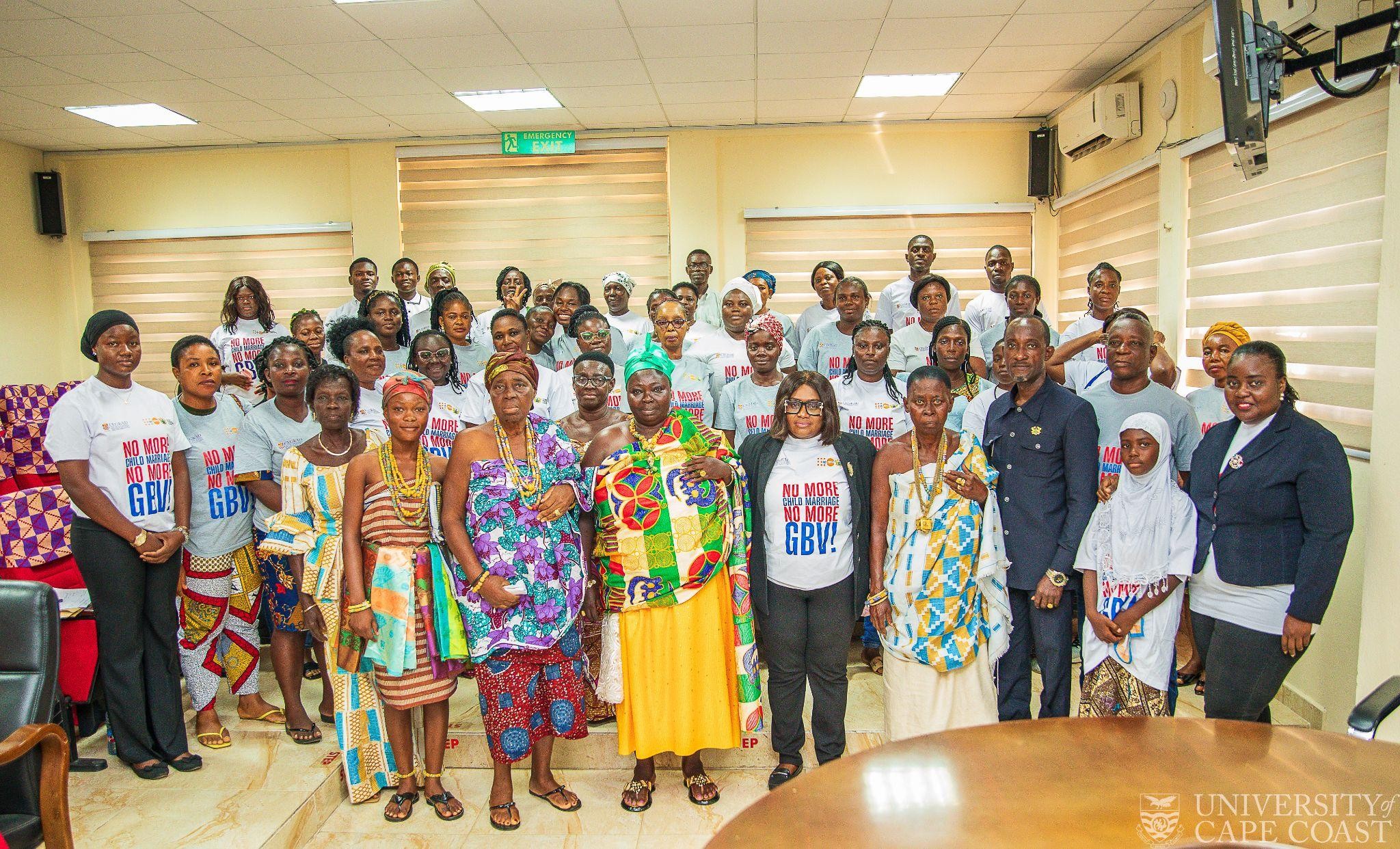
The Centre for Gender Research, Advocacy and Documentation (CEGRAD) of the University of Cape Coast (UCC) has tasked women leaders to spearhead the campaign against child marriage, sexual and gender-based violence, and other harmful cultural practices that impede the development of their communities.

According to CEGRAD, the attitude of shielding offenders and allowing innocent girls to be married off to men old enough to be their fathers was detrimental to the well-being and development of girls.

To the Centre, it was about time it raise awareness about the negative effects of child marriage, deepened stakeholders’ understanding of the issues, and equipped women leaders with the knowledge and skills needed to fight the scourge.

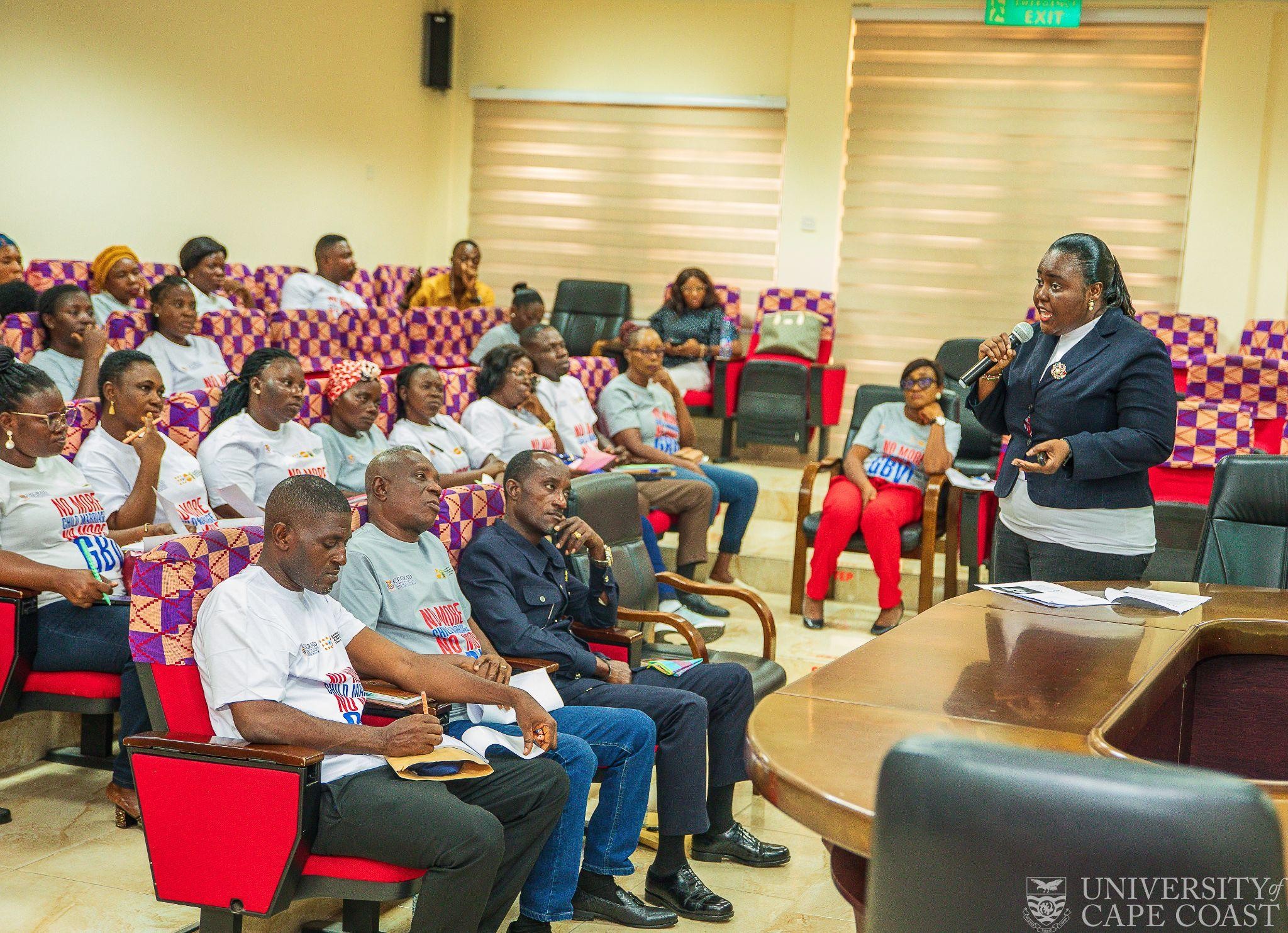
The Coordinator of Advocacy and Outreach at CEGRAD, Dr. Yvonne Ami Adjakloe, made the remark at a workshop titled, "Empowering Women Leaders to Combat Child Marriage, Gender-based Violence, and Harmful Practices in Cape Coast."

It was organised by CEGRAD, in collaboration with the Central Regional Coordinating Council, and funded by the United Nations Population Fund (UNFP).

The event was attended by queen mothers, religious leaders, assembly members, women, and youth groups, among others.

Dr. Yvonne Ami Adjakloe said winning the fight against child marriage required consistent and accountable stakeholder collaboration.

ce2.jpg

Dr. Yvonne Ami Adjakloe (with mic) addressing participants

She cautioned community leaders against handling crime, especially defilement, rape, and encouraged that such cases should be promptly reported to the police for the necessary action.

She mentioned various legal provisions, including Section 14 of the Children’s Act, 1998 (ACT 560), the Domestic Violence Act (2007), as well as the Criminal Offences Act and the Human Trafficking Act, among others, to address child marriage.

The Director of CEGRAD, Prof. Eunice Fay Amissah, called for awareness to tackle child marriage across the country and asked participants to use the knowledge acquired at the workshop to deal with child marriage.

As part of the event, a panel discussion was held on the topic:" Addressing Child Marriage, Gender-based Violence, and Harmful Practices in communities."

Discussants at the workshop called on stakeholders to work assiduously towards combating child marriage in the country.

Source: Documentation and Information Section-UCC
UCC Student Selected for 2025 Telecel Female Engineering Scholarship Programme

20 Jun, 2025 By DIS

A level 400 student of the University of Cape Coast (UCC) has been selected as a beneficiary of the prestigious 2025 Telecel Female Engineering Student Scholarship Programme (FESSP).

Ms. Michelle Opara Uche, a Computer Science student, was among ten outstanding final-year female engineering students honoured at an awards ceremony held at Telecel Ghana’s headquarters in Accra.

The scholarship scheme, which recognises academic excellence and aims to empower young women pursuing careers in engineering and technology, since its inception in 2011, has supported over 100 brilliant female engineering students through financial aid, mentorship, and technical resources.

The initiative aligns with Telecel Ghana’s commitment to bridging the gender gap in telecom engineering and inspiring more women to excel in technical fields.

Each beneficiary of the scholarship received GHS 5,000 to cover final-year tuition and book fees, a brand-new tablet with a six-month complimentary data package and access to industry mentors.

They also would enjoy internship opportunities, national service, graduate programmes, and full-time employment with Telecel Ghana.

This marks another milestone for UCC, following last year’s success when two students, Daniella Edinam Nyaletey and Hilda Abena Wilson, were awarded the same scholarship. Both are currently interns with Telecel, further highlighting the programme’s impact on shaping careers in the telecom sector.

ht_2.jpg

Daniella Edinam Nyaletey (L) and Hilda Abena Wilson (R)

Source: Documentation and Information Section-UCC
 

Prof. Michael Boakye-Yiadom Appointed to University of Maryland Graduate Faculty as a Special Member

19 Jun, 2025 By DIS

The University of Maryland's College of Education has appointed the Director-General of Institute for Educational Planning and Administration at the University of Cape Coast, Prof. Michael Boakye-Yiadom as a Special Member of its Graduate Faculty.

This honour enables Prof. Boakye-Yiadom to contribute significantly to the academic advancement of graduate students by serving on master’s thesis and doctoral dissertation committees.

The appointment, facilitated by the Department of Counseling, Higher Education, and Special Education (CHSE), was granted in recognition of Prof. Boakye-Yiadom's exceptional qualifications and the meaningful impact of his contributions, particularly in relation to the Student Affairs program.

According to a letter signed by Professor William M. Liu, Chair of the CHSE Department, this selection is not given automatically, but rather based on a thorough review by the Graduate School of the nominee’s academic credentials and potential to enhance scholarly excellence.

“It is an honor to be so appointed and it reflects the Graduate School’s recognition of your work,” noted Professor Liu in the official letter.

The Graduate School emphasizes that such appointments are reserved for individuals who demonstrate the ability to strengthen the University’s research and educational mission.

The CHSE Department extended its gratitude to Prof. Boakye-Yiadom for his willingness to support students’ academic journeys, recognizing that his expertise will be instrumental in guiding graduate research and professional development.

Prof. Boakye-Yiadom’s appointment adds to the growing roster of globally engaged educators contributing to the University of Maryland’s pursuit of academic distinction and leadership in higher education.

 About Prof. Michael Boakye-Yiadom

 ■Associate Professor of Leadership Development in Higher Education & Student Affairs

■ Director-General Institute for Educational Planning and Administration (IEPA) - Under the Auspices of UNESCO, University of Cape Coast, Ghana

Source: Documentation and Information Section

IMANI Vice President calls for Academic-Industry collaboration to address developmental challenges

19 Jun, 2025 By DIS

The Vice President of IMANI Ghana, Mr. Bright Simons, has underscored the urgent need for Ghana to adopt a structured recycling policy to address environmental challenges.

He made the call during a policy engagement session at the University of Cape Coast (UCC), which aimed at exploring sustainable development pathways for Ghana.

The event was attended by Dr. Stephen Moore, a lecturer at the Department of Mathematics, UCC, alongside students and faculty members. It served as a platform for thought-provoking discussions on national development, sustainability, and the role of academia in shaping policy.

Mr. Simons, who is also the Chief Executive Officer of MPedigree, challenged participants to rethink Ghana's development strategies through innovative research and environmentally conscious approaches.

He highlighted that an effective recycling framework could do more than addressing environmental concerns. It could also stimulate economic growth, create employment opportunities, and encourage sustainable industrial practices. According to him, recycling should not be seen merely as a waste management tactic, but as a viable economic driver with long-term benefits for the country.

“Ghana must move beyond rhetoric and begin to treat recycling as an economic imperative. With the right investment and policy backing, recycling can become a key sector for job creation and innovation,” he stated.

He also underscored the role of academic institutions in national development, arguing that research must extend beyond scholarly debates to influence real-world policy. Mr. Simons urged universities to produce more policy-relevant research and publications that can inform and shape decisions at governmental and institutional levels.

“It is not enough to publish for journals; the research must engage with the policy space. Academic insights should feed into the national conversation on issues such as education, health, climate change, and governance,” he emphasized.

Mr. Simons advocated the emergence of social entrepreneurs and what he described as “Mavericks” bold, innovative thinkers who challenge conventional norms and lead social transformation.

He urged the youth, especially students, to adopt innovation and entrepreneurship as effective means of tackling community issues and fostering national development.

Speaking at the function, a senior lecturer at the Department of Mathematics, Dr. Stephen Moore, said the lecture reinforced the growing recognition of the importance of academia-industry collaboration in addressing Ghana’s developmental challenges. Dr. Moore who coordinated the lecture said there was the need for continuous dialogue among policymakers, academics, entrepreneurs, and civil society actors to shape a sustainable and inclusive future for the country.

The session concluded with an open forum where students and lecturers engaged Mr. Simons on various issues, including youth participation in policy-making, education reform, and technological innovation.

Source: Documentation and Information Section

Institutional Affiliation Office Donates Risograph Machine to UCC Basic School Annex

18 Jun, 2025 By DIS

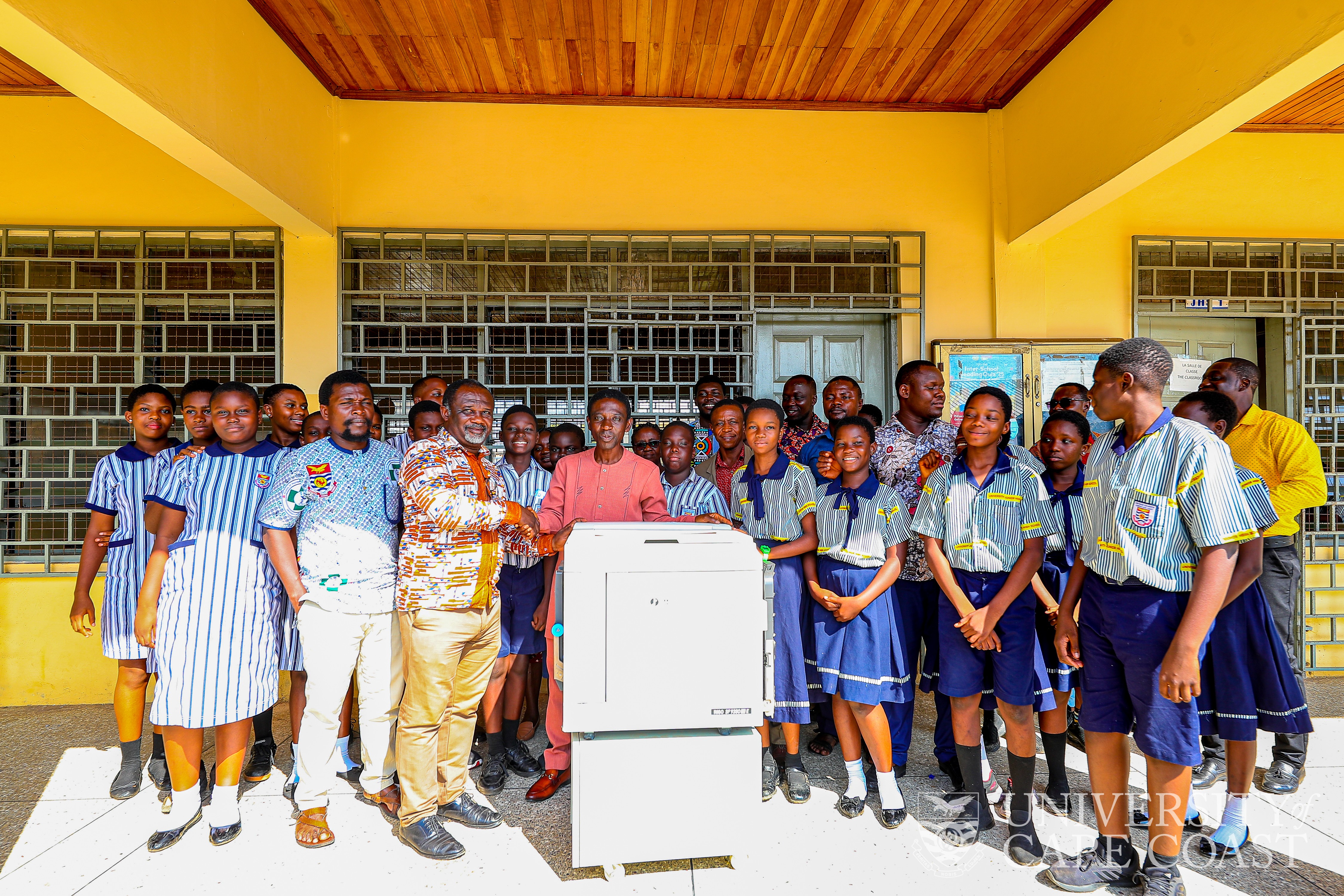
The Institutional Affiliation Office (IAO) has donated a risograph printing machine to the University of Cape Coast Basic School Annex to enhance academic work and promote effective teaching and learning.

The donation, which took place  at the school premises, was in response to a formal request made by the Headteacher of the school, Mr. Victor Fiifi Addison.

According to Mr. Addison, the school had faced challenges in producing large volumes of printed materials, especially examination papers. He noted that the donation of the risograph machine would greatly ease the pressure on staff and significantly improve the efficiency of academic work at the school.

“We are extremely grateful for this timely intervention by the Institutional Affiliation Office. This machine will not only reduce our reliance on external printing services but will also help ensure the timely delivery of examination papers and teaching materials.” Mr. Addison stated.

The Head of IAO, Dr. Justice K. G. A. Boateng, who presented the machine, explained that the donation formed part of the Office’s broader initiative to support both teaching and non-teaching units within the University. He added that, as part of this commitment, the Office had previously donated theatre equipment to the University Hospital to help enhance the delivery of quality healthcare to both the University community and residents of Cape Coast.

He emphasized the importance of supporting foundational education as a key part of the University’s developmental agenda. “We believe that a strong foundation at the basic level is essential to nurturing academic excellence, and we are proud to contribute to that process,” he said.

A student in Basic School 1, Krobea Asante, expressed appreciation to IAO, describing the donation as a morale booster and a practical solution to one of the school’s logistical challenges.

Source: Documentation and Information Section


Take Science, Technology Seriously - Prof. Frimpong-Boateng

18 Jun, 2025 By DIS

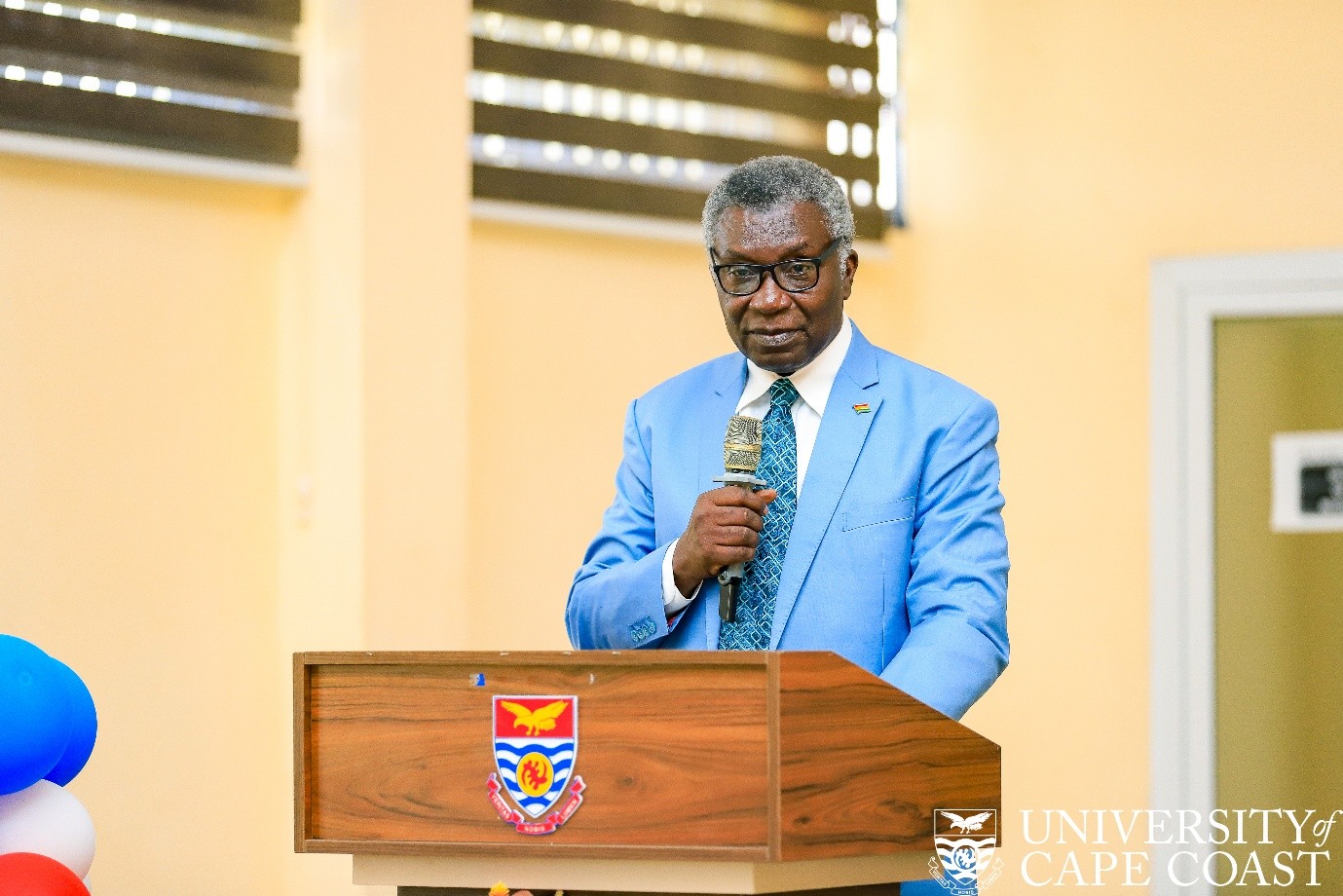
A former Minister for Environment, Science, Technology and Innovation, Prof. Kwabena Frimpong-Boateng, has underscored the need for African governments to take Science and Technology seriously in order not to lag in development.

He attributed the gap between rich and poor nations to the use of technology by farmers and said that if poor countries could invest more in technology, they would soon be at par with the rich and developed countries.

“If we want to develop like the developed countries, then the only way to go is science and technology. Our poverty gap is a technology gap, and we must address this urgently,” he said.

He said it was disappointing that even though Ghana, decades ago, set out on the path of using technology to advance its development, it was still grappling with challenges in the agricultural and other sectors of the economy.

To him, leveraging Science and Technology and mainstreaming research for development was the panacea for reversing this trend. He reiterated the fact that the real difference between developed countries and the underdeveloped ones in Africa was in their technological capacity.

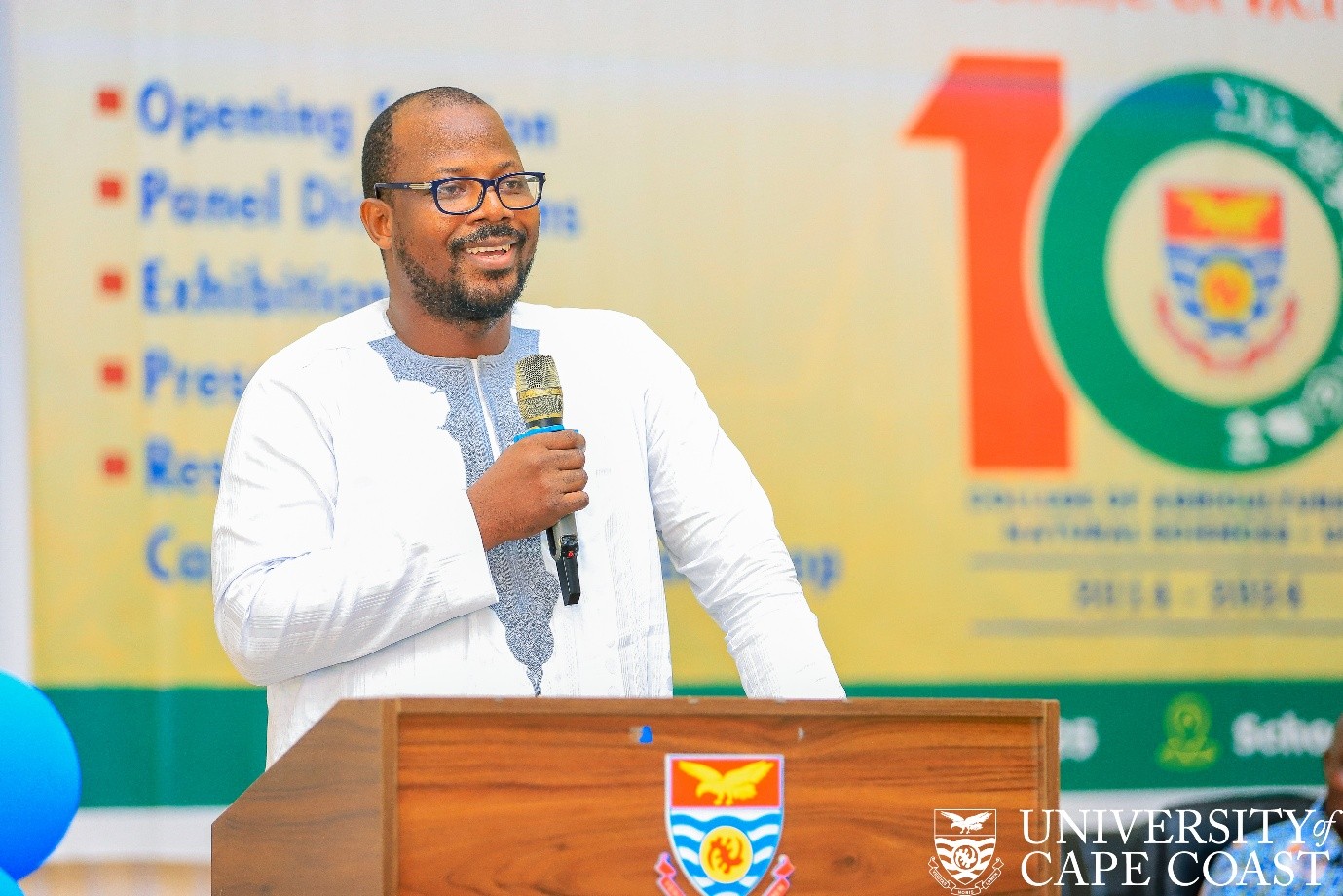
Prof. Frimpong-Boateng made this observation at the official opening of the 10th Anniversary celebrations of the College of Agriculture and Natural Sciences (CANS) of the University of Cape Coast (UCC).

It was on the theme, "A decade of Excellence in Science, Technology and Agriculture: Honouring our Past, and Shaping the future."

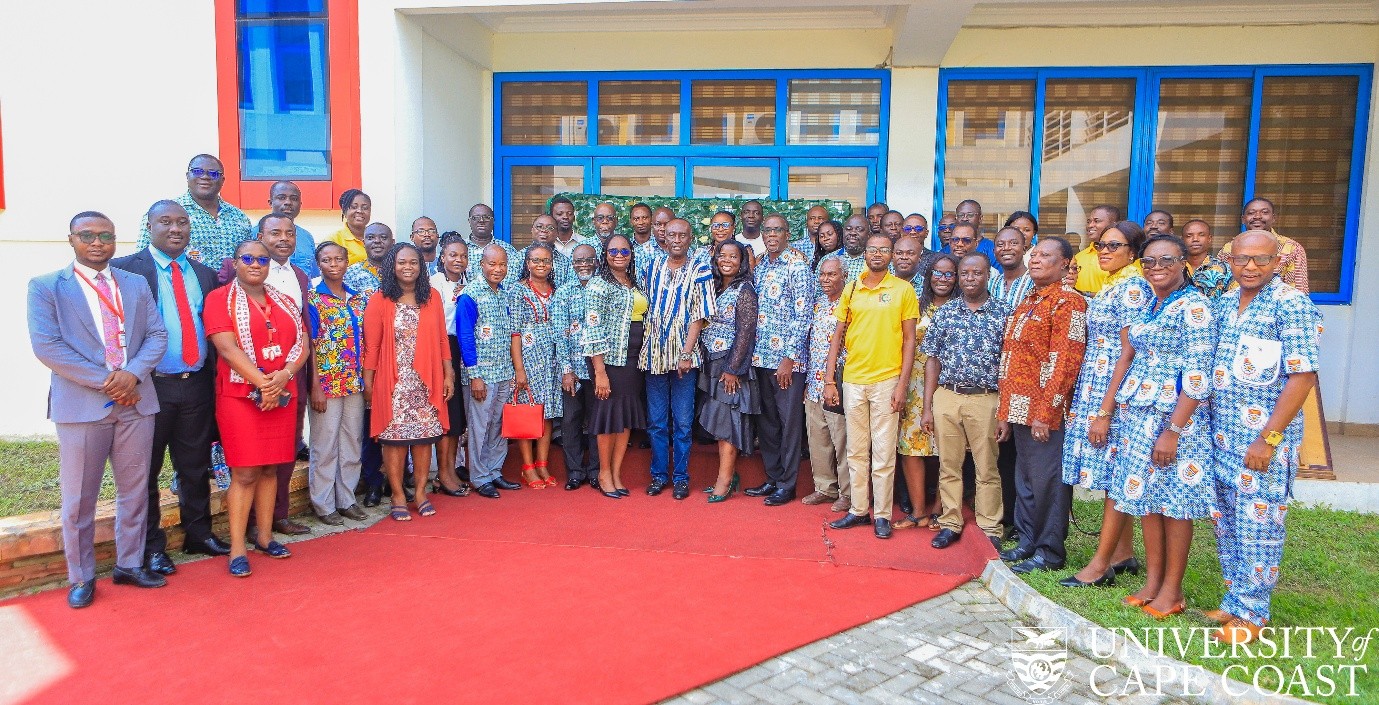
gu_2.jpg

Group photo of some participants

He challenged science and technology-oriented universities and research institutions to live up to their core mandate of using technology and introducing new methods to address key developmental challenges facing the country.

The former minister mentioned some of his achievements as the construction of a 400-kilowatt (KW) hybrid power plant at Atwima Nwabiagya in the Ashanti Region.

He described the W2E project as one that had a multiplier effect, since it created sustainable access to energy, while helping to tackle sanitation challenges, as well as providing fertilizer for agricultural purposes.

Prof. Frimpong-Boateng  said he helped the government to establish the Science, Technology and Innovation (STI) Fund located at the Crops Research Institute (CRI) of the Council for Scientific and Industrial Research (CSRI), at Fumesua in the Ashanti Region.

Speaking on the topic, "Harnessing the Blue Economy: Accelerating Ghana's Developmental Goals for Sustainable Growth," A Research Fellow at the Centre for Coastal Management - Africa Centre of Excellence for Coastal Resilience (ACECoR), Dr. Rodrigue Pelebe, said the blue economy had great potential to contribute to higher and faster economic growth across Africa.

gu_3.jpg

Dr. Rodrigue Pelebe

He indicated that Africa’s blue economy, including broadly the preservation of the continent’s oceans and the responsible and sustainable use of its resources through the fisheries, aquaculture, shipping, tourism, renewable energy and biotechnology industries, was an untapped treasure trove. 

Blue economy is a term that refers to the sustainable use of coastal and marine natural resources for economic growth and improved livelihoods, and jobs.

Dr. Pelebe said the blue economy not only sought to promote economic growth but also to preserve the health and cleanliness of the ocean.

He added that the blue economy tenets, when pursued, would help achieve economic growth and economic development as well as attain the majority of the Sustainable Development Goals (SDGs). For instance, the blue economy calls for the prevention and reduction of marine pollution; and protect marine and coastal ecosystems and these will help to reduce climate-related events hence, building climate-resilient marine communities leading to the attainment of SDG 13 - climate change, SDG 14 - life below water, SDG 8, decent employment, and SDG 2, food security.

"Also, the blue economy calls for ensuring there is an end to overfishing and illegal fishing practices. These could help achieve SDG 2," he added.

The event was chaired by a former Provost of CANS, Prof. Samuel Yeboah Mensah.

Source: Documentation and Information Section-UCC
 

Workshop on Gender and Youth in the maize value chain held at UCC

18 Jun, 2025 By DIS

A two-day workshop aimed at educating stakeholders in the maize value chain on facilitating sustainable intensification of African farming systems has been held at the University of Cape Coast (UCC). 

The workshop brought together farmers, marketers, processors, extension officers, teachers, and consumers.

It was held by SustInAfrica, a research project empowering West and North African smallholder farmers and small and medium-sized enterprises (SMEs) to facilitate sustainable intensification of African farming systems.

The project, which started in 2020 and will continue for five years, has received funding from the EU Horizon 2020 Research and Innovation Programme under Grant Agreement 861924.

The Coordinator of the Project, Prof. Kwame Agyei Frimpong, said the project was aimed at developing and deploying a reference framework on best agricultural practices and technologies, based on a systems approach, and successfully verified for their efficacy to intensify primary production in a self-sufficient, sustainable, and resilient manner.

"Through knowledge-sharing and hands-on training, participants will gain valuable skills in areas such as improved production practices, post-harvest handling, market access, and value addition," Prof. Frimpong continued.

net_2.jpg

Coordinator of the Project, Prof. Kwame Agyei Frimpong

He said the choice of maize was because the crop is a staple food in Ghana.

"Maize can be grown in almost all agricultural zones in Ghana. It is useful for food, and serves as raw materials for industry," he said.

Prof. Frimpong further mentioned that the programme was targeting smallholder farmers within the maize value chain system since “the smallholder farmers produce 90 per cent of the staple foods in Ghana.

A beneficiary farmer from Ejura in the Ashanti Region, Afia Kumah, said the workshop had enlightened her about the importance of having values, goals, and a clear vision in her maize farming endeavours.

She said such workshops would significantly aid in enhancing the agricultural sector in Ghana, adding that her mission was to share the new insights with fellow farmers in her area who could not attend the workshop.

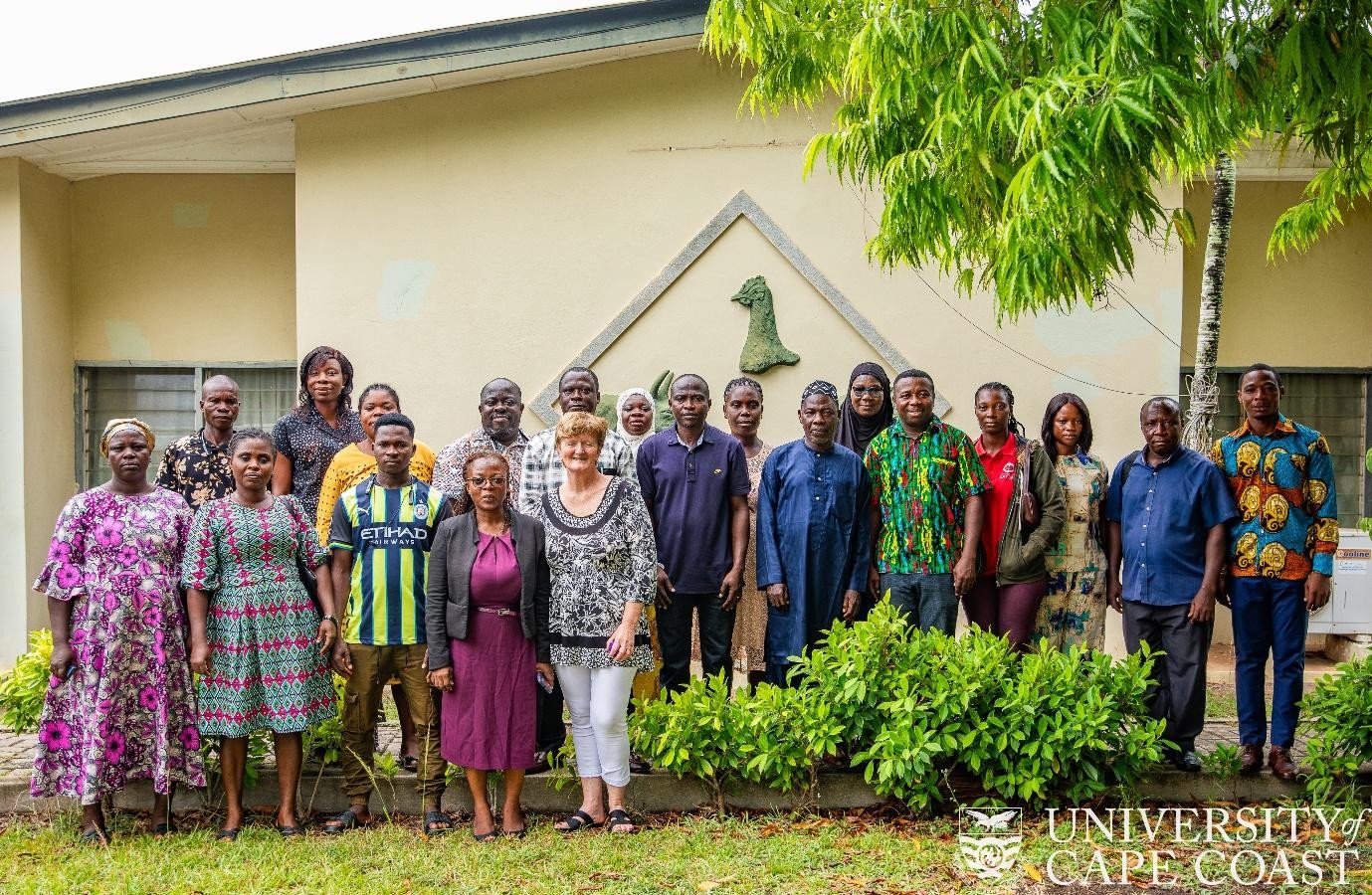
Facilitators at the workshop were Mary Sweeney, Gender Advisor, Self Help Africa, Ireland and Fatouma Zara Laquan, Gender Expert, Director of Nitsouwa Consulting Group, Niger.

Participants were given certificates of participation.

Source: Documentation and Information Section-UCC

 

Pages

  • « first
  • ‹ previous
  • …
  • 17
  • 18
  • 19
  • 20
  • 21
  • 22
  • 23
  • 24
  • 25
  • …
  • next ›
  • last »

Admissions

Graduate
Sandwich
International
Undergraduate
Distance Education

Colleges

Education Studies
Distance Education
Health and Allied Sciences
Humanities and Legal Studies
Agriculture and Natural Sciences

Research

Support Grant
Policies and Guidelines
Reports
Agenda
Inaugural Lectures
Intellectual Property Policy

Directorates

Finance
ICT Services
Public Affairs
Internal Audit
Academic Affairs
Human Resource
University Health Services
Consular and General Services
Research, Innovation & Consultancy
Academic Planning & Quality Assurance
Physical Development & Estate Management

Policies & Reports

Web Policy
Annual Report
Conditions of Service
Corporate Strategic Plan

Services

Portal
ATL FM
Alumni
UCOSIS
eLearning
Staff Email
Faculty Blogs
Student Email
Staff Directory
Academic Calendar
Affiliate Institutions

Contact info

The Registrar, University of Cape Coast, Cape Coast, Ghana.
  • +233 [03321]32440, +233 [03321] 32480-9
  • registrar@ucc.edu.gh

Website & Media

Forms
Sitemap
Web Services
Press Releases
Contact & Maps
Announcements
Inaugural Lectures
Services Status
  • ‌
  • ‌
  • ‌‌
  • ‌
  • ‌
  • ‌
  • ‌
  • ‌

©2025 University of Cape Coast