UCC

  • Main
  • Staff
  • Home
  • About UCC
  • Libraries
  • Alumni
  • Staff Directory
  • Financial Support
  • Forms
  • E-Learning
  • International Office
  • Web Services
  • Contacts & maps
  • A to Z list
  • Sitemap
  • EXPLORE UCC
    • Awards & achievements
      • Honorary Degree Award
    • Corporate Strategic Plan
    • Plans & policies
    • Governance and Administration
    • Statutes of UCC
    • Annual Report
    • Our Campus
      • Halls
        • Adehye
        • Atlantic
        • Casley Hayford
        • Kwame Nkrumah
        • Oguaa Hall
        • Valco
    • History
    • Book/Paper Collaborations
    • Recreational & Social Activities
    • Useful Facilities
    • Resources
    • Data Hub
      • Enrollment, Courses and Graduation Statistics (2022/2023)
      • Research and Financial Statistics
      • UCC Summary Statistics
      • Fast Facts
    • SDGs Report 2024
  • ACADEMICS
    • Academic Calendar
    • Programmes
      • All
      • Non-degree
      • Undergraduate
      • Masters
      • Doctorate
    • Colleges
    • Faculties and Schools
    • Departments
    • Affiliate Institutions
    • Africa Centre of Excellence in Coastal Resilience
    • Office of International Relations
    • Dean of Students' Affairs
    • Directorate Academic Planning and Quality Assurance
    • Directorate of Academic Affairs
    • School of Graduate Studies
  • APPLICANTS & STUDENTS
  • RESEARCH & INNOVATION
    • DRIC
    • Research Support Grant (RSG)
    • Conference Portal
    • UCC Scholar
  • LIBRARY
  • DISTANCE EDUCATION
  • NEWS & MEDIA
    • News
    • Events
    • Videos
    • VC's Desk
    • Inaugural Lectures
    • Press Releases

Search

  • Home
UNESCO officials with management of UCC and IEPA

UNESCO Officials visit UCC to assess IEPA as Category II Centre of Excellence

17 Nov, 2025 By DIS

Two senior officials from the United Nations Educational, Scientific and Cultural Organization (UNESCO) paid a working visit to the University of Cape Coast (UCC) as part of an assessment of the Institute for Educational Planning and Administration (IEPA). 

The delegation comprised Therrezinha Fernandes Kinkin, Head of Africa Office at the International Institute for Educational Planning (IIEP)–UNESCO, and Emeritus Professor Jean-Jacques Paul, an independent expert.

The mission focused on evaluating the performance and progress of the IEPA since its elevation to a UNESCO Category II Centre in 2019. The assessment forms part of UNESCO’s periodic review of its Centres to ensure alignment with global standards and strategic objectives.

The Acting Vice-Chancellor, Prof. Denis Worlanyo Aheto, expressed appreciation to UNESCO for its continued collaboration and support when the team paid a courtesy call on him. He noted that IEPA, as a leading institute in educational planning and leadership training, has made significant contributions to Ghana’s education sector and is ready to expand its impact across the African continent.
 

unesco_hearty_chat.jpg

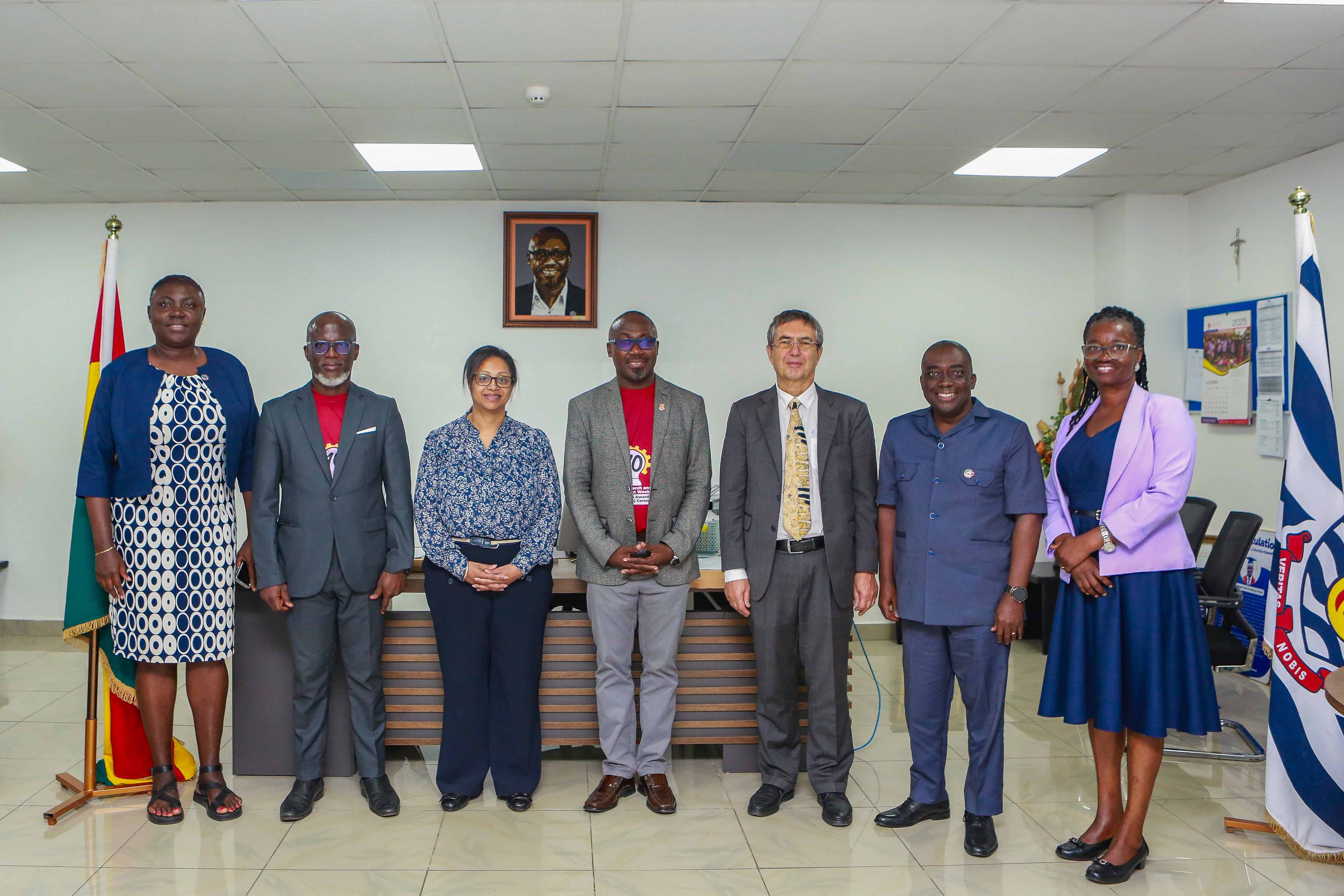
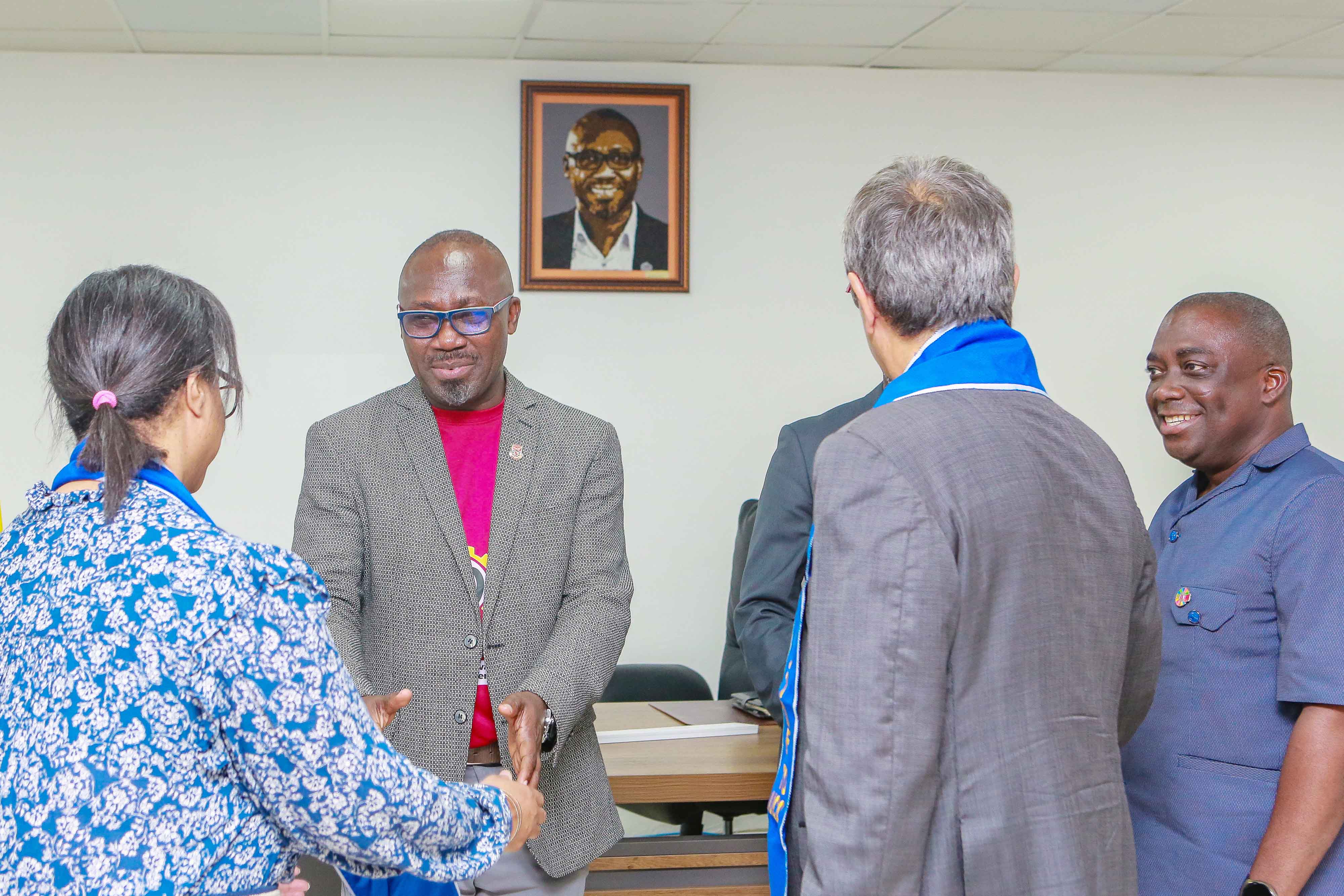
UNESCO officials in a hearty chat with UCC officials

The UNESCO officials in a hearty chat with the Ag. Vice-Chancellor, Registrar of UCC and Director-General of IEPA

“The footprint of IEPA can be found in Ghana and other African countries where our alumni are contributing to improving education,” Prof. Aheto stated. He further called for increased support to enhance the Institute’s reach, especially within Ghana and the West African sub-region.

Prof. Paul commended UCC for its commitment to sustaining the high standards required of a UNESCO Category II Centre. He encouraged the University’s management to strengthen the Institute by recruiting additional experts to bolster its consultancy and professional services. He noted that findings from the assessment would be submitted to UNESCO for further action.

Present at the meeting were the Reegistrar, Gideon Enoch Abbeyquaye, Esq., Director of Finance, Mrs. Elizabeth Obese. Also present were senior management members of IEPA, including the Director-General, Prof. Michael Boakye-Yiadom; Deputy Director-General for Academic Programmes and Professional Development, Prof. Alfred Ampah-Mensah; and Deputy Director-General for Administration and General Services, Mrs. Ama Serwah Nerquaye-Tetteh.

Source: Documentation and Information Section-UCC
GFP_AWARD

3 Researchers from UCC recognised for Sustainable Livestock Innovation

12 Nov, 2025 By DIS

Three lecturers from the University of Cape Coast (UCC) have earned global recognition for playing a central role in an international research for advancing sustainable livestock systems. 

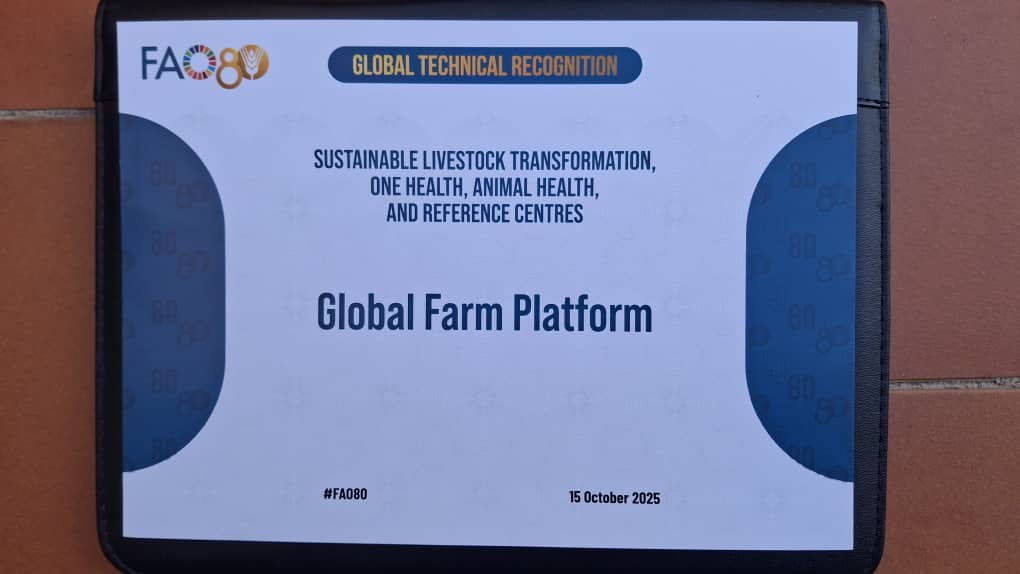
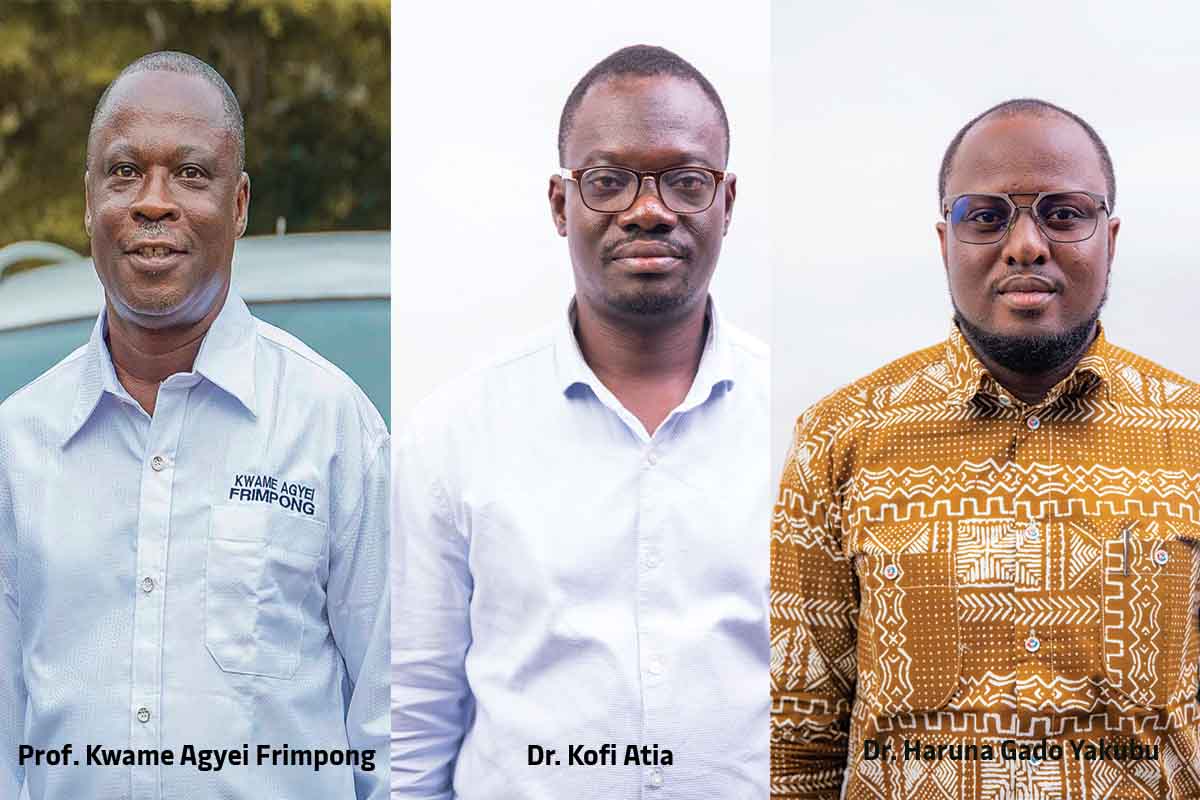
Prof. Kwame Agyei Frimpong and Dr. Kofi Atia from the Department of Soil Science and Dr. Haruna Gado Yakubu from the Department of Animal Science contributed significantly to the success of the Global Farm Platform (GFP), which has been awarded the Food and Agriculture Organization (FAO) Technical Recognition for Sustainable Livestock Transformation, One Health, Animal Health, and Reference Centres.

gfp-2.jpg

GFP_Awardees

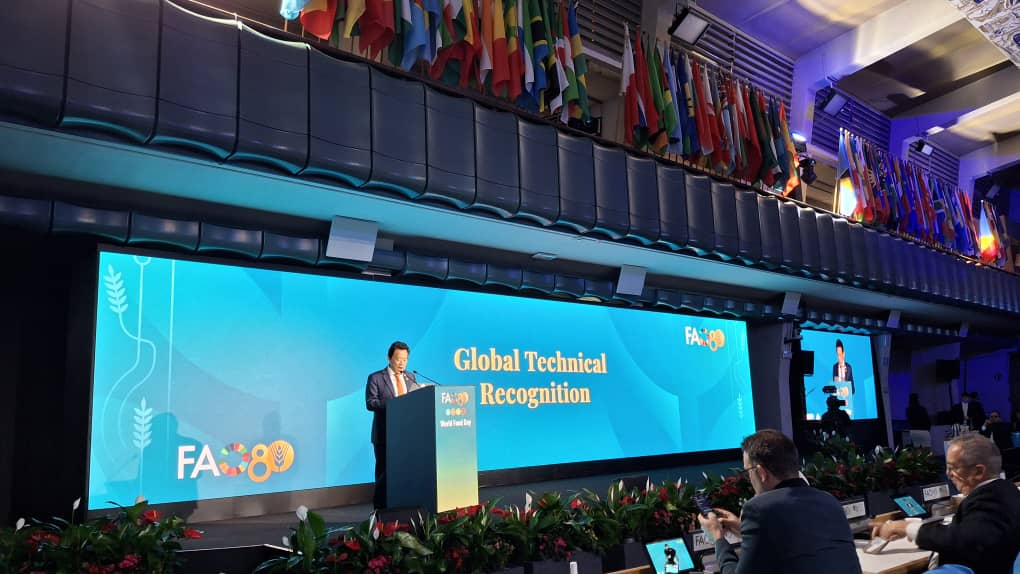
The honour was presented on 15 October 2025 during the FAO Global Technical Recognition Ceremony held at the organisation’s headquarters in Rome, Italy, as part of FAO’s 80th anniversary and World Food Forum celebrations. The recognition highlights the GFP’s groundbreaking work in connecting scientific research with real-world farming practices to support sustainable food production and resilient agrifood systems worldwide.

In remarks during the ceremony, the Chairperson of the Global Farm Platform, Dr. Jordana Rivero of Promar International and Rothamsted Research (UK), commended participating research institutions for demonstrating that livestock innovation can be both scientifically rigorous and locally adaptable. She noted that the GFP’s collaborative model “shows how shared knowledge and coordinated field research can accelerate the transition toward climate-smart, equitable, and sustainable livestock systems.”

Through their leadership and research, the UCC team has helped position Ghana as a key contributor to the GFP’s global mission. Their work focuses on applying portable Near-Infrared (NIR) spectroscopy to evaluate the nutritional composition and maturity stages of Sorghum bicolor—both fodder and grain varieties. This innovative approach supports precision livestock feeding, enabling farmers to match animal diets to nutritional needs, improve feed efficiency, and minimise waste and environmental impacts.

According to Prof. Kwame Agyei Frimpong, leader of the UCC GFP research team, the recognition affirms the university’s growing contribution to agricultural science and sustainability. “This award demonstrates how collaborative research can generate practical, science-based solutions that improve livelihoods and ensure food security,” he said.

whatsapp_image_2025-10-28_at_08.24.53.jpeg

GFP_award_programme

The Global Farm Platform, established in 2014 following the publication of the influential Nature paper “Steps to Sustainable Livestock,” connects 19 research farms and 28 institutions across six continents. Its hub-and-spoke model allows research centres like UCC to serve as hubs for innovation, sharing knowledge and techniques with farmers and institutions worldwide—from smallholder systems in Africa to commercial dairy farms in Europe and Oceania.

Dr. Kofi Atia described the recognition as validation of the team’s commitment to developing technologies that promote sustainable production while safeguarding natural resources. Dr. Haruna Gado Yakubu added that the collaboration demonstrates “the power of global partnerships in transforming livestock farming for Africa and beyond.”


The GFP continues to advance global efforts toward sustainable livestock transformation through close integration of research, policy, and practical application. Its work aligns closely with the United Nations Sustainable Development Goals (SDGs), particularly Goal 4 (Quality Education), Goal 13 (Climate Action), and Goal 15 (Life on Land).

Source: Documentation and Information Section-UCC
Thought Leadership Seminar

Universities urged to prioritise leadership and adaptive teaching for transformative education

12 Nov, 2025 By DIS

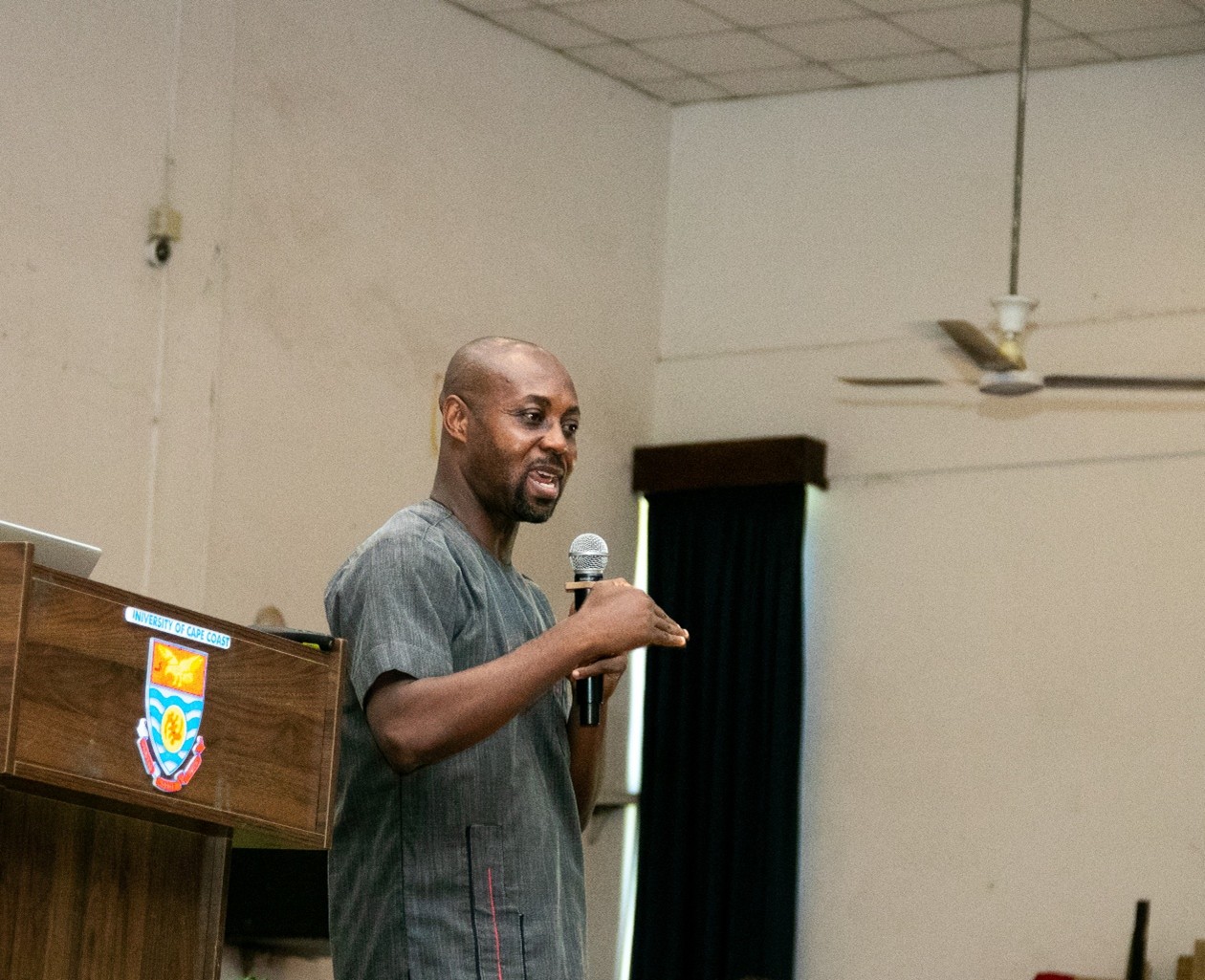
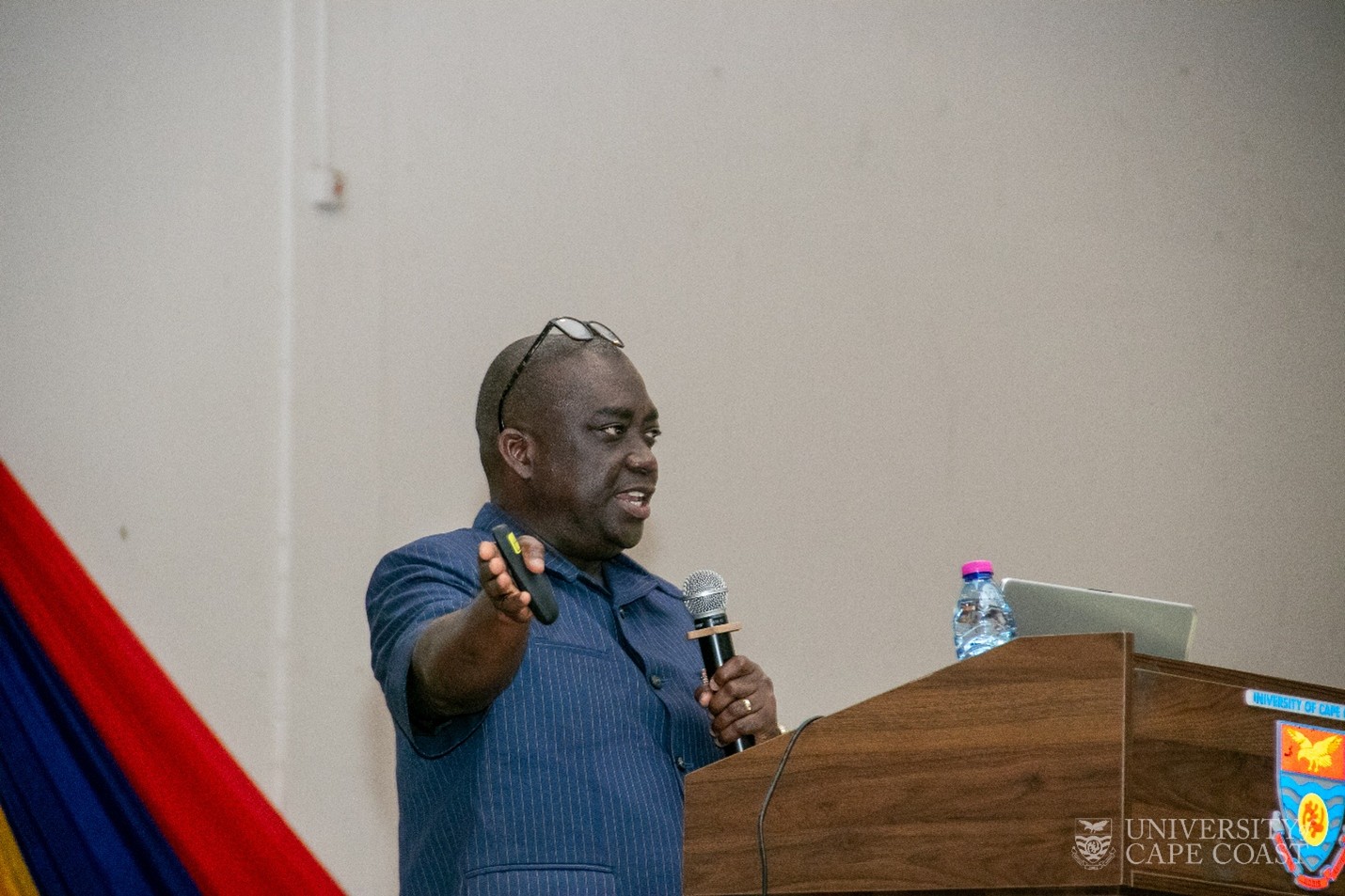
The Director-General of the Institute for Educational Planning and Administration (IEPA) at the University of Cape Coast (UCC), Prof. Michael Boakye-Yiadom, has called for deliberate institutional strategies to strengthen leadership capacity of both staff and students in universities. 

tl3.jpg

Prof. Michael Boakye -Yiadom

He explained that transformative leadership could be nurtured through structured mentorship, collaborative learning, and service-learning initiatives integrated into academic and co-curricular activities.

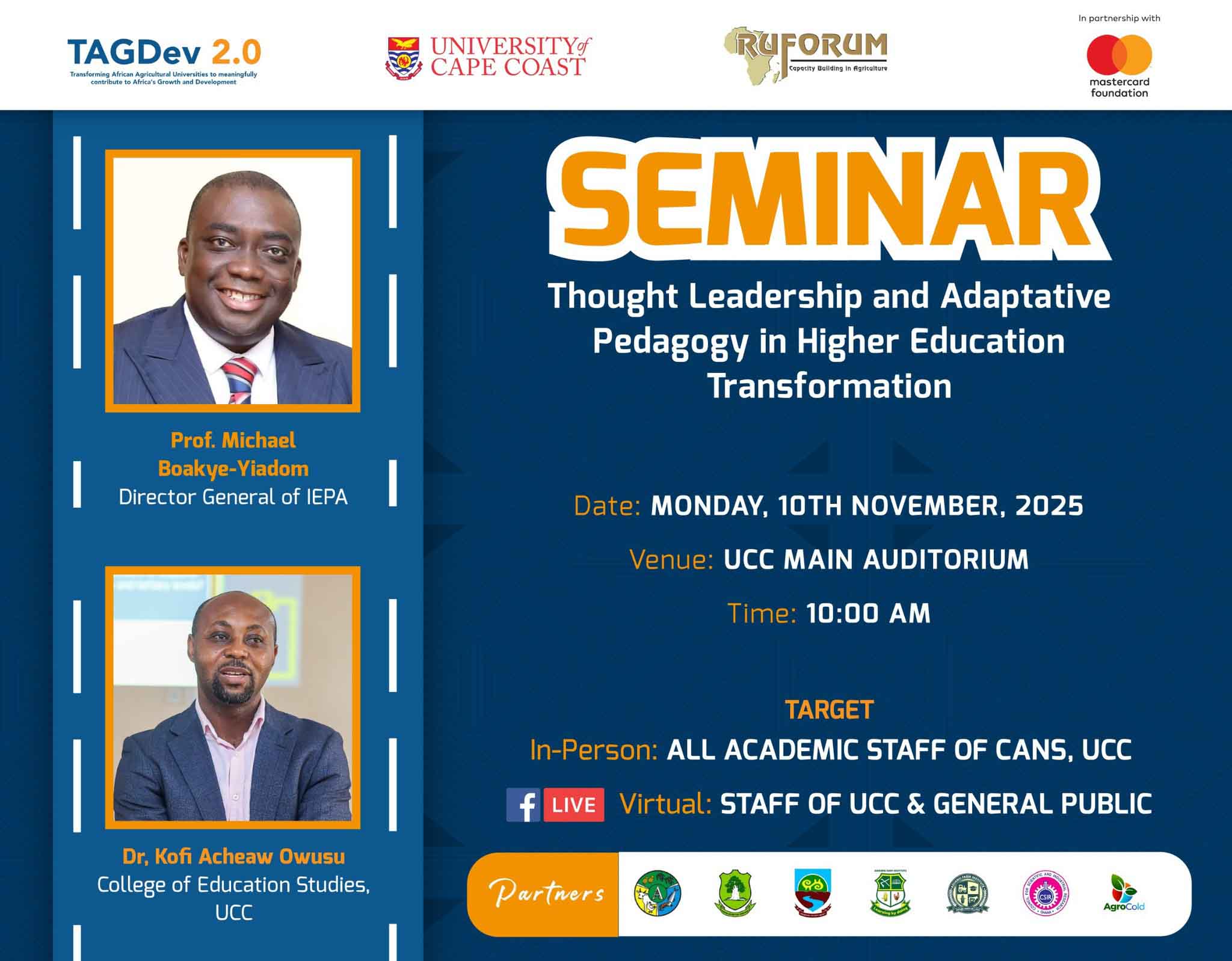
Prof. Boakye-Yiadom made the remarks during a seminar organised by the TAGDev 2.0 in collaboration with the College of Agriculture and Natural Sciences (CANS) for academic staff of CANS at UCC. It was on the theme: “Thought Leadership and Adaptive Pedagogy in Higher Education Transformation.” 

Delivering a presentation on “The Role of Thought Leadership in Transformative Higher Education,” Prof. Boakye-Yiadom, explained that thought leadership is vital in reimagining education systems to address the complexities of global change, linking this idea to Sustainable Development Goal 4 (Quality Education), UNESCO’s Futures of Education Initiative, and the African Union’s Agenda 2063. 

According to him, higher education transformation must be inclusive, value-driven, and purpose-oriented to cultivate ethical, innovative, and empathetic leaders.

He argued that educational leadership should go beyond knowledge transmission to character formation, citing the Ghanaian Adinkra symbols as a philosophical reminder of values-based leadership.

Prof. Boakye-Yiadom described universities as incubators of leadership—spaces where future leaders develop the capacity to influence teaching, research, governance, and community development. 

Drawing on Arthur Chickering’s Seven Vectors of Student Development and Kouzes and Posner’s Leadership Challenge Model, he identified integrity, empathy, innovation, honesty, and the ability to inspire a shared vision as essential qualities of effective thought leaders.

On inclusivity, he urged universities to design responsive systems that support differently-abled students, first-generation learners, and those from marginalized communities. “True thought leadership thrives in spaces that embrace diversity, tolerance, and shared humanity,” he said. 

He further advocated the adoption of data-driven educational policies and multi-sectoral collaboration to ensure that education remains centered on human development. Quoting Richard Riley, he noted, “Our children may be 20% of our population, but they are 100% of our future.”

Complementing Prof. Boakye-Yiadom’s submission, Dr. Kofi Acheaw Owusu, a Senior Lecturer at the Department of Science Education, underscored the need for universities to embrace adaptive pedagogy as a tool to enhance teaching and learning outcomes. 

Speaking on “The Role of Adaptive Pedagogy in Higher Education Transformation,” Dr. Owusu explained that modern university classrooms are increasingly diverse, requiring flexible and responsive instructional methods that recognize varying learner backgrounds, strengths, and expectations.

tl4.jpg

Dr. Kofi  Acheaw Owusu

“Adaptive pedagogy is not just a trend, it’s a transformation in how we understand learning. Our students do not arrive in the classroom as identical learners, so our teaching cannot remain static ”, he remarked

He emphasized that adaptive teaching fosters inclusivity, enhances engagement, and promotes critical and independent thinking by acknowledging individual learning needs.

Dr. Owusu also stressed the importance of psychological safety in classrooms, noting that students must feel free to express confusion, ask questions, and attempt answers without fear of embarrassment. “A classroom where students cannot say ‘I don’t understand’ is a classroom where real learning stops,” he said.

He encouraged lecturers to use formative assessment tools, such as the “muddiest point” technique, to gauge student understanding and refine their teaching. However, he acknowledged institutional constraints such as large class sizes, limited training opportunities, and rigid curricula. 

To overcome these challenges, he called for university-level support to equip lecturers with the necessary skills and tools to implement adaptive teaching effectively.


Pioneer Scholars

Pioneer TAGDev 2.0 Scholars at UCC Receive Laptops

11 Nov, 2025 By DIS

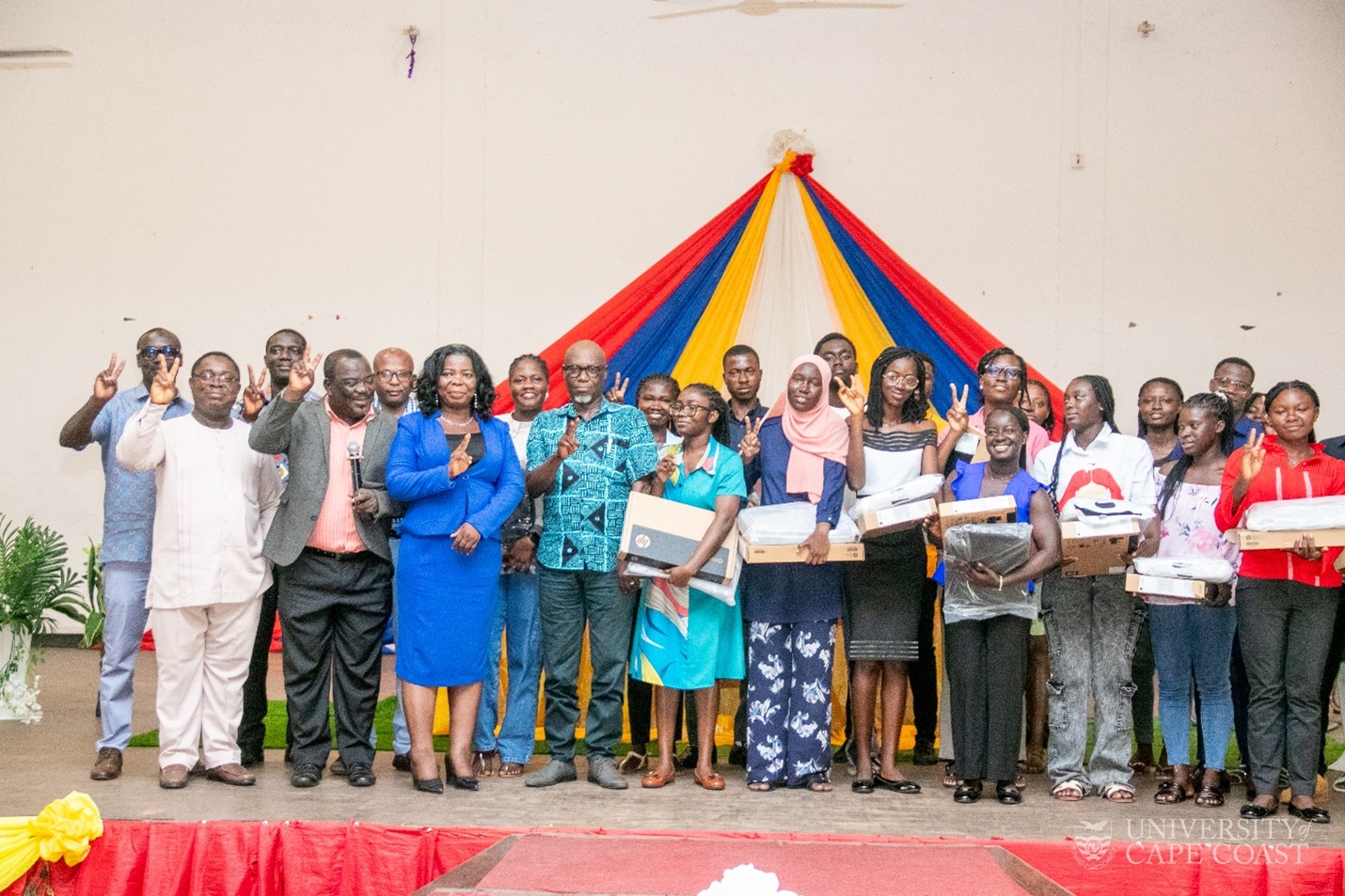
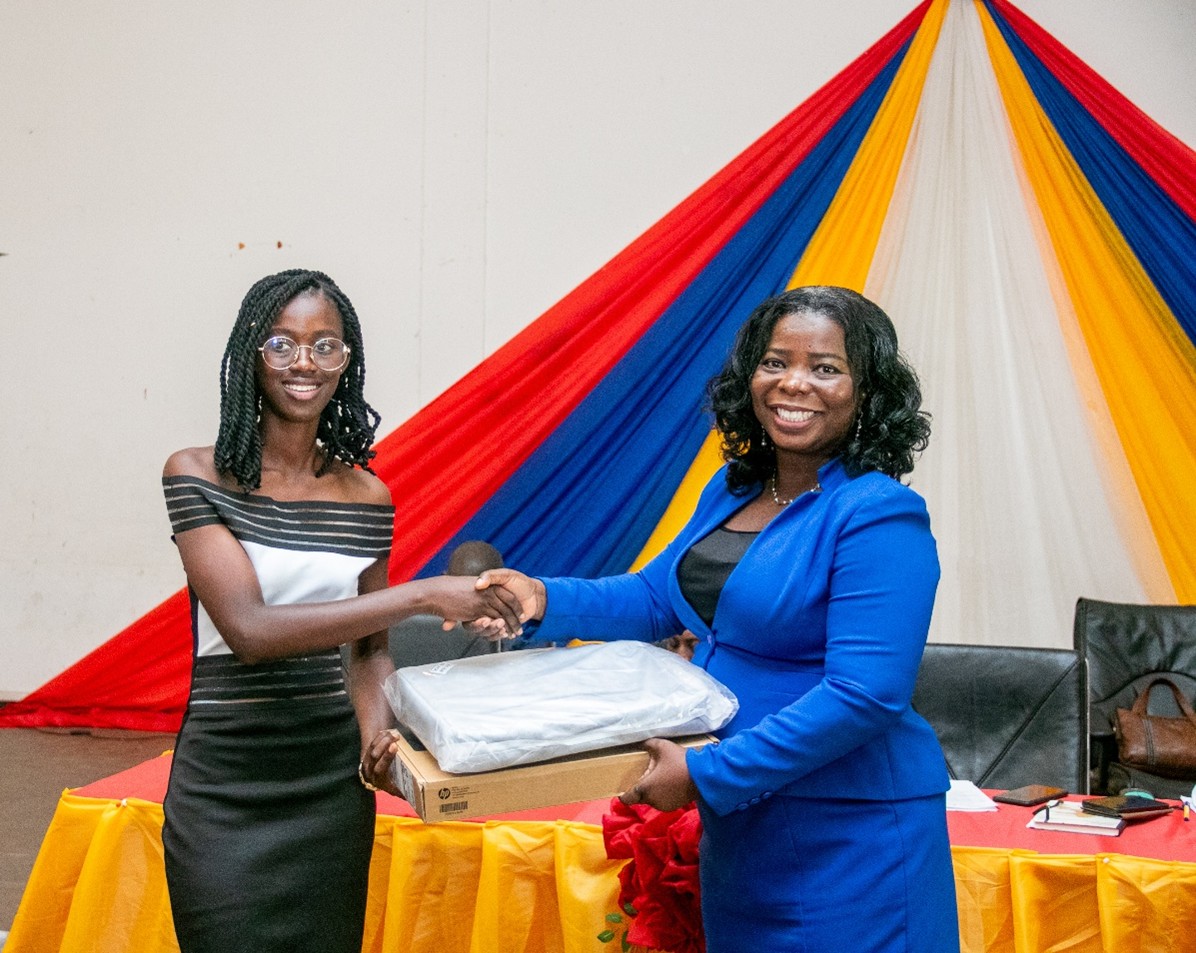
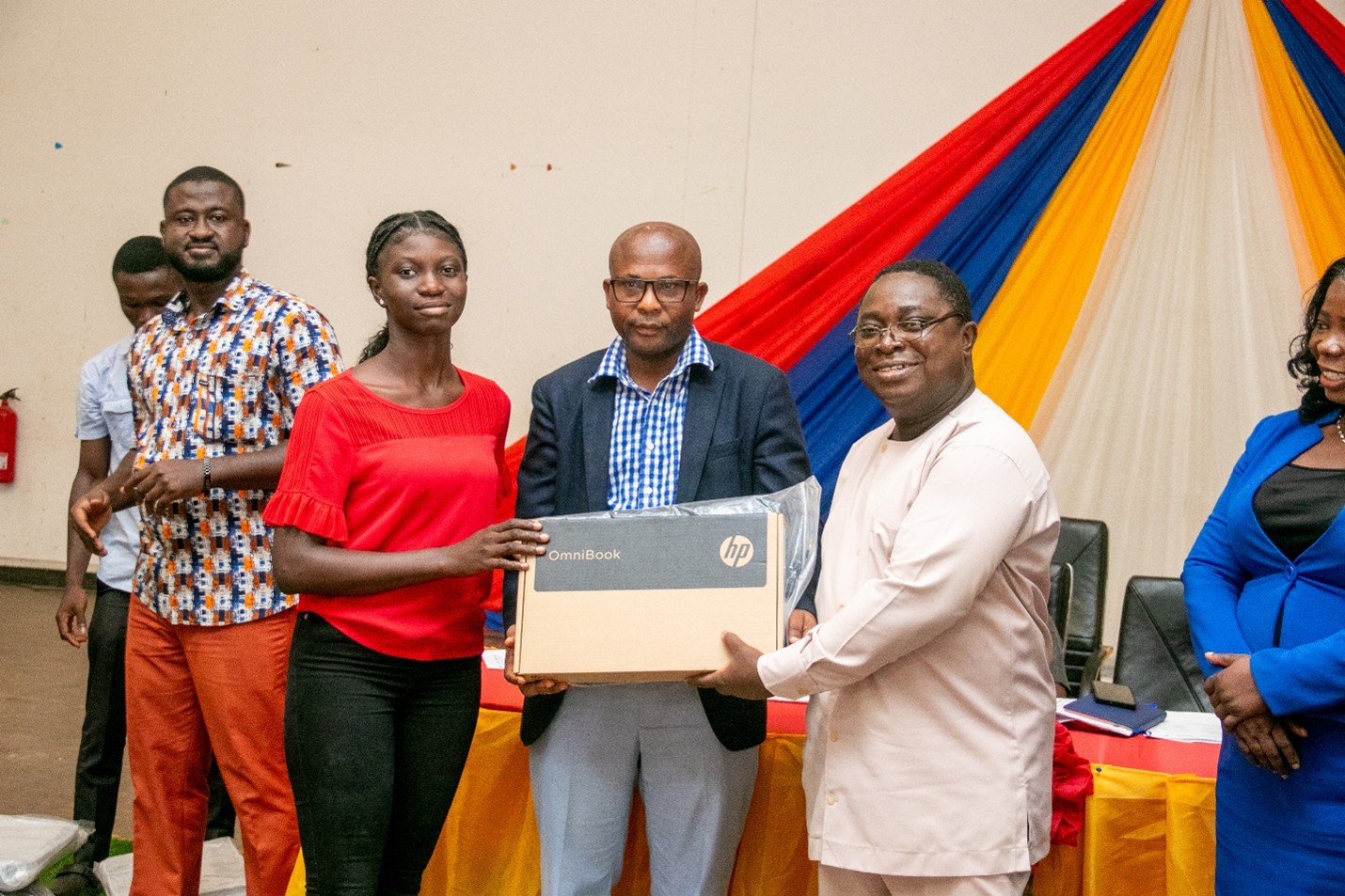
The first cohort of scholars under the TAGDev 2.0 Programme at the University of Cape Coast (UCC) has received laptops to support their academic work. 

The first cohort comprises 25 newly admitted students, including 20 undergraduates and five postgraduates, selected to pursue various agriculture-related programmes at the University.

At the presentation ceremony, the TAGDev 2.0 Programme Coordinator at UCC, Prof. Festus Annor-Frempong, explained that the scholarships were granted through the TAGDev 2.0 coordinated by the Regional Universities Forum for Capacity Building in Agriculture (RUFORUM) with funding from the Mastercard Foundation. He mentioned that the University received 286 applications from across Ghana, and after a careful selection process led by RUFORUM shortlisted 25 candidates to award full scholarships.

scholars2.jpg

Presentation to scholars

“These scholars represent a new generation of changemakers who will be equipped with the skills, knowledge, and networks to drive agricultural transformation and contribute to community development,” he stated. He added that the scholars would undergo a structured orientation and continuous academic support to ensure their successful integration into university life.

He further emphasized that through TAGDev 2.0, UCC is deepening its commitment to developing high-calibre graduates capable of addressing Africa’s pressing challenges in agriculture, agribusiness, and rural development.

The Provost of the College of Agriculture and Natural Sciences (CANS), Prof. Rofela Combey,  welcomed the scholars and encouraged them to remain focused and dedicated to their studies. Prof. Combey noted that in addition to academic training, the TAGDev 2.0 programme would expose them to practical skills, innovation, entrepreneurship, and leadership development. 

scholars3.jpg

Presentation to a scholar

She urged the students to take full advantage of the opportunities and support systems provided by UCC to nurture their ideas and contribute meaningfully to job creation and sustainable livelihoods.

She wished the scholars a successful academic journey at UCC and particularly within CANS, the host College of the programmes they will be pursuing.

The presentation ceremony was attended by Deans, Heads of Department, and faculty members from the College.

Thought Leadership Seminar

TAGDev 2.0 , CANS, UCC hold seminar on Holds Seminar on Thought Leadership and Adaptive Pedagogy

11 Nov, 2025 By DIS

 TAGDev 2.0 Programme at the University of Cape Coast in conjunction with the College of Agriculture and Natural Sciences has organised a seminar on the theme “Thought Leadership and Adaptive Pedagogy in Higher Education Transformation” for academic staff of the College.

The seminar aimed at strengthening the capacity of academic staff to adopt innovative teaching and leadership practices for transformative higher education delivery.

Opening the seminar, the Provost of the College of CANS, Prof. Rofela Combey, said the programme was to enhance teaching and learning practices, promoting leadership and adaptability through skills development, research, and community engagement, among both academic staff and students. She called on lecturers of the College to participate and contribute to the discussions to help reshape teaching, learning, and research.

tl2.jpg

Prof. Rofela Combey

Prof. Rofela Combey opening the seminar

Speaking on “The Role of Thought Leadership in Transformative Higher Education”, noted that thought leadership was central to reimagining education systems to respond to global change. He made reference to international and continental frameworks such as SDG 4, UNESCO’s Futures of Education Initiative, and the African Union’s Agenda 2063 noting that higher education transformation must be inclusive, values-driven, and purpose-oriented.

tl3.jpg

Prof. Michael Boakye -Yiadom

Prof. Michael Boakye -Yiadom

A Senior lecturer at the Department of Science Education, Dr. Kofi Acheaw Owusu, in his presentation on “The Role of Adaptive Pedagogy in Higher Education Transformation” explained that adaptive pedagogy was essential for addressing the diversity of students’ learning styles, motivations, and abilities. “Teachers must exhibit adaptive characteristics, possess deep knowledge of content and of their students, and employ collaborative strategies such as think-pair-share, cooperative learning, and peer instruction.” Dr. Owusu stressed.

tl4.jpg

Dr. Kofi  Acheaw Owusu

Dr. Kofi  Acheaw Owusu

The Coordinator for TAGDev 2.0 Programme at UCC, Prof. Festus Annor-Frempong, reaffirmed the Programme’s commitment to supporting teaching and learning innovations in the University. He noted that TAGDev 2.0 aimed at empowering Africa’s young people and their institutions to drive inclusive, equitable, and climate-resilient socio-economic development.

He added that strengthening faculty capacity in experiential learning, entrepreneurship, gender-responsive teaching, adaptive pedagogy, and thought leadership was one of the key strategies for achieving this goal.


Two faculty members of SOVs get research grant to boost community eye care in Ghana

10 Nov, 2025 By DIS

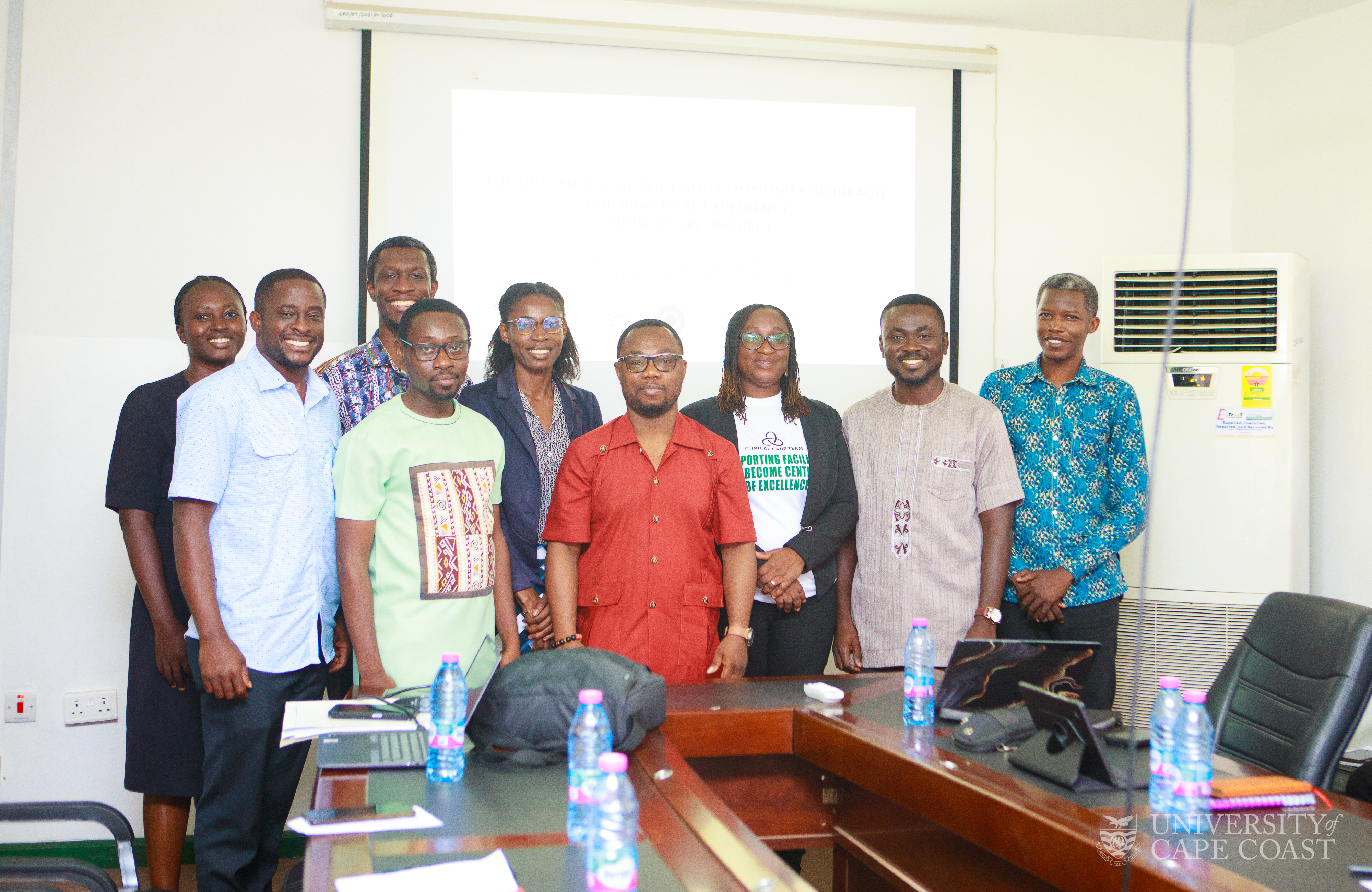
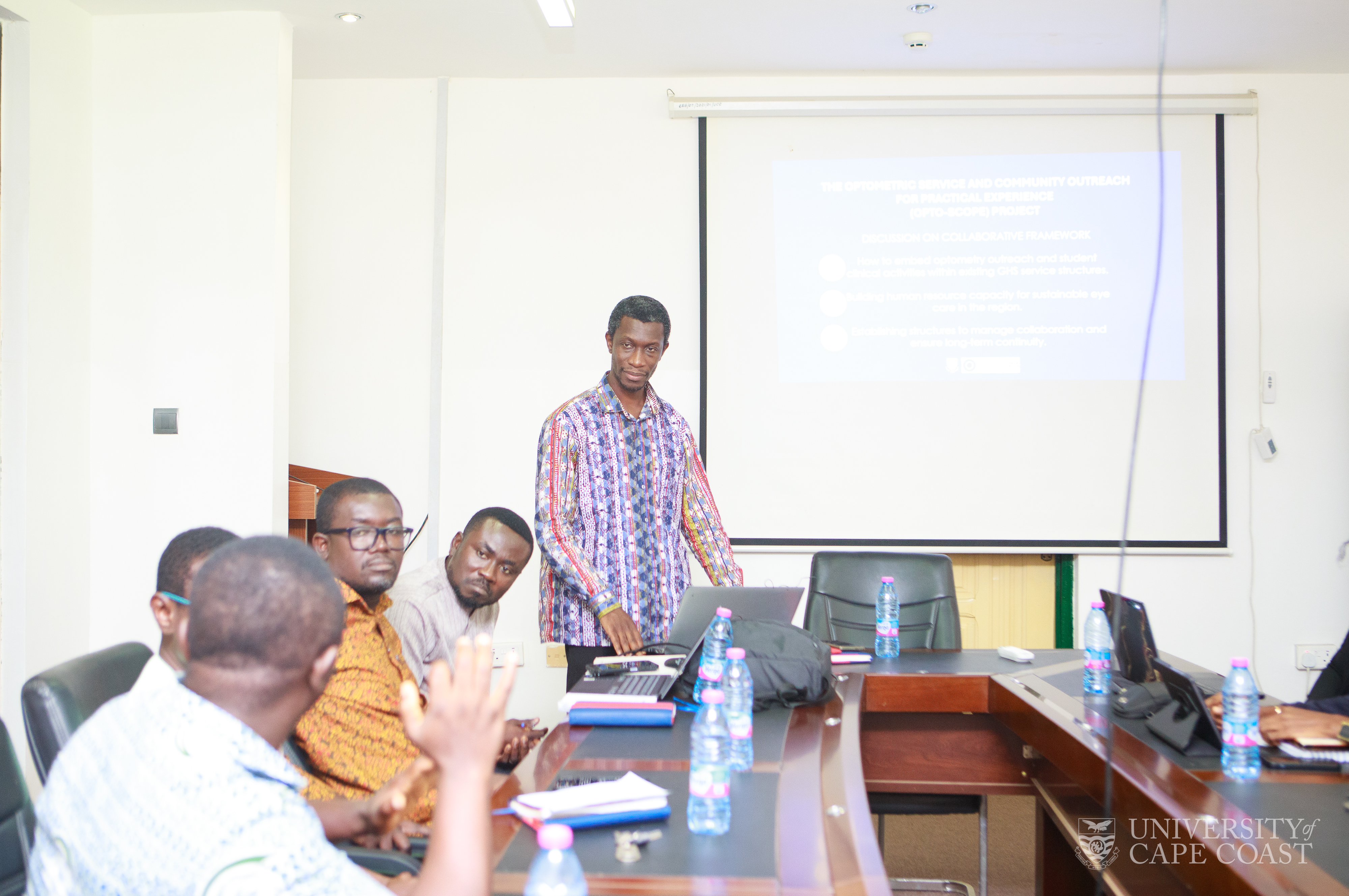
Two faculty  members of the School of Optometry and Vision Science (SOVs)  have  secured a  $25,000 grant from Optometry Giving Sight (OGS) for an outreach programme known as  “Community Eye Care Project.”

The Project, dubbed: Optometric Service and Community Outreach Practical Experience (Opto-SCOPE) - is led by Dr. Michael Ntodie and Dr. Enyam Morny.

The project seeks to provide sustained optometric services to underserved communities while offering final-year optometry students invaluable clinical training under the direct supervision of faculty members.

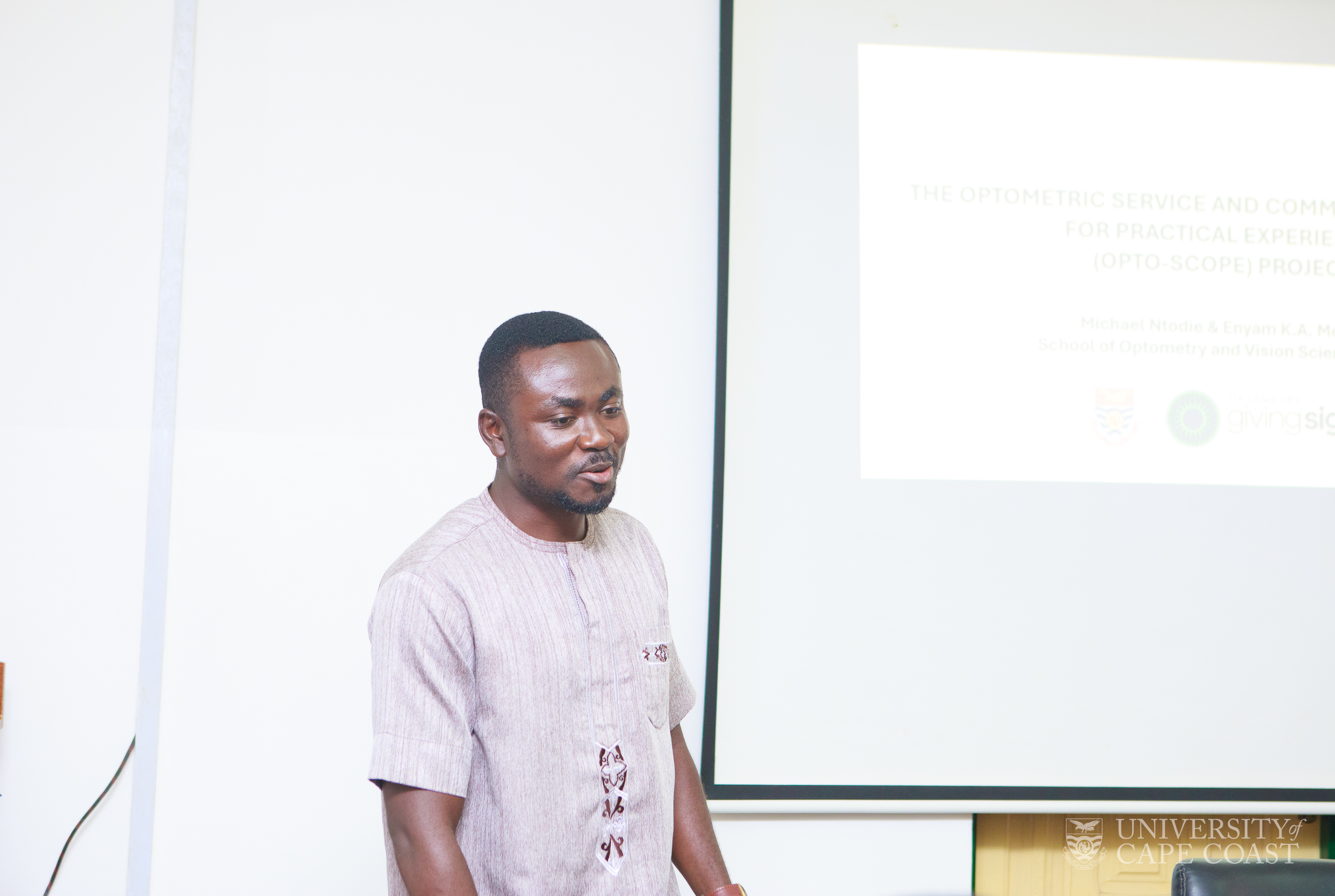
kg8a9239.jpg

Dr. Michael Ntodie

Unlike traditional, one-time outreach efforts, Opto-SCOPE introduces a sustainable model of continuous community engagement, enhancing both public access to essential eye care and the professional development of optometrists.

As part of the project, Opto-SCOPE will establish mobile eye care units within Community-based Health Planning Services (CHPS) compounds in the Central Region. 

Speaking at the launch of the Project, Dr. Michael Ntodie said, through the project, students would be supervised and guided in delivering community-oriented eye care services.

“We will train Community-based Health Planning and Services (CHPS) nurses to measure visual acuity, identify common eye conditions, and facilitate referrals – ensuring continuity of care for patients,” he added.

kg8a9307.jpg

Dr. Enyam Morny

Dr. Ntodie noted that the Opto-SCOPE would cover five communities across two districts in the Central region in the first year. 

“Beyond this, we envision  scaling up this model to additional districts and linking it with our partner NGOs so that community screening by others can transition seamlessly into our follow-up and referral care system,”  he continued.

 The Project Lead stressed that: “This project will provide essential optometric services to communities with limited access, and offer hands-on, supervised practical experience to final-year students of SOVS.”

The Dean of SOVS, Prof. Stephen Ocansey, in a welcome address, expressed excitement about the timeliness of the grant and lauded the two faculty members for securing the grant.

He noted that the project would go a long way in addressing community eye care challenges facing Ghana.

“Our outreach mandate as a School has always been central to who we are. Through the Service and Community Outreach for Practical  Experience (SCOPE) Unit, we have over the years brought eye care to rural  and underserved communities across the Central Region,” he added.

Source: Documentation and Information Section-UCC
UCC Hospital Excels in Peer Review

07 Nov, 2025 By DIS

The Directorate of University Health Services (DUHS), University of Cape Coast, amassed an overall score of 97.8% in a regional peer review exercise.

The assessment which was held under the slogans “Peer Review: Continuous Quality Improvement” and “Peer Review: Maintaining Standards for Life.” forms part of a broader initiative conducted across hospitals in the Central Region to promote quality healthcare delivery and maintaining professional standards.


The assessors commended the facility for its outstanding organisation and high internal standards, recommending that similar attention be given to the exterior to maintain a consistent image of excellence.

The Chairperson of the event, Mr. Ebenezer Aggrey, praised the commitment of the UCC Hospital team.

_isc8318.jpg

Mr. Ebenezer Aggrey

“I am a product of health professionals, and it is a pleasure to give back my quota,” he said. “The purpose of peer review is for standardisation and it is important, we all embrace it.” Mr Aggrey, a former Acting Registrar, further appealed to labour unions to continue supporting the Directorate. “I appeal to the labour unions to come to our aid and support us in any way they can,” he added.


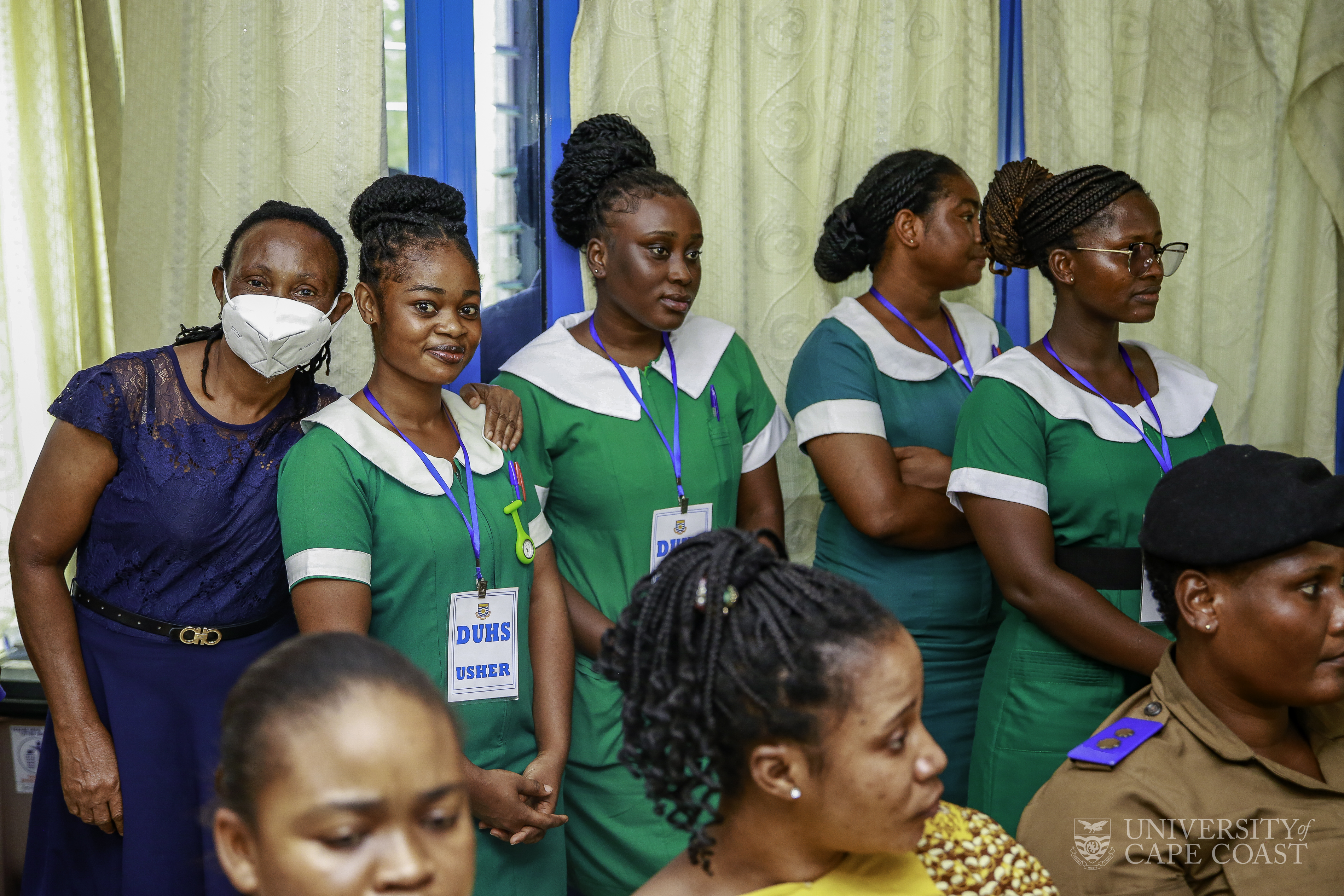
_isc8371.jpg

Some nurses at the event

The Dean of the School of Nursing and Midwifery, UCC, Prof. Jerry Paul Ninnoni, also commended the Directorate’s performance.

“I am highly impressed with what I have seen.

I commend the Director and all stakeholders for being part of this successful story,” he said.

“I urge that we continue to maintain this standard to ensure quality healthcare,”  he added.

The Director of DUHS, Dr. James K. Prah, called for fairness and uniformity in future reviews.

“We must have a fair examination process with a standard checklist across all hospitals,” he emphasised. 


Prime Minister of St. Kitts and Nevis welcomes cooperation with UCC

05 Nov, 2025 By DIS
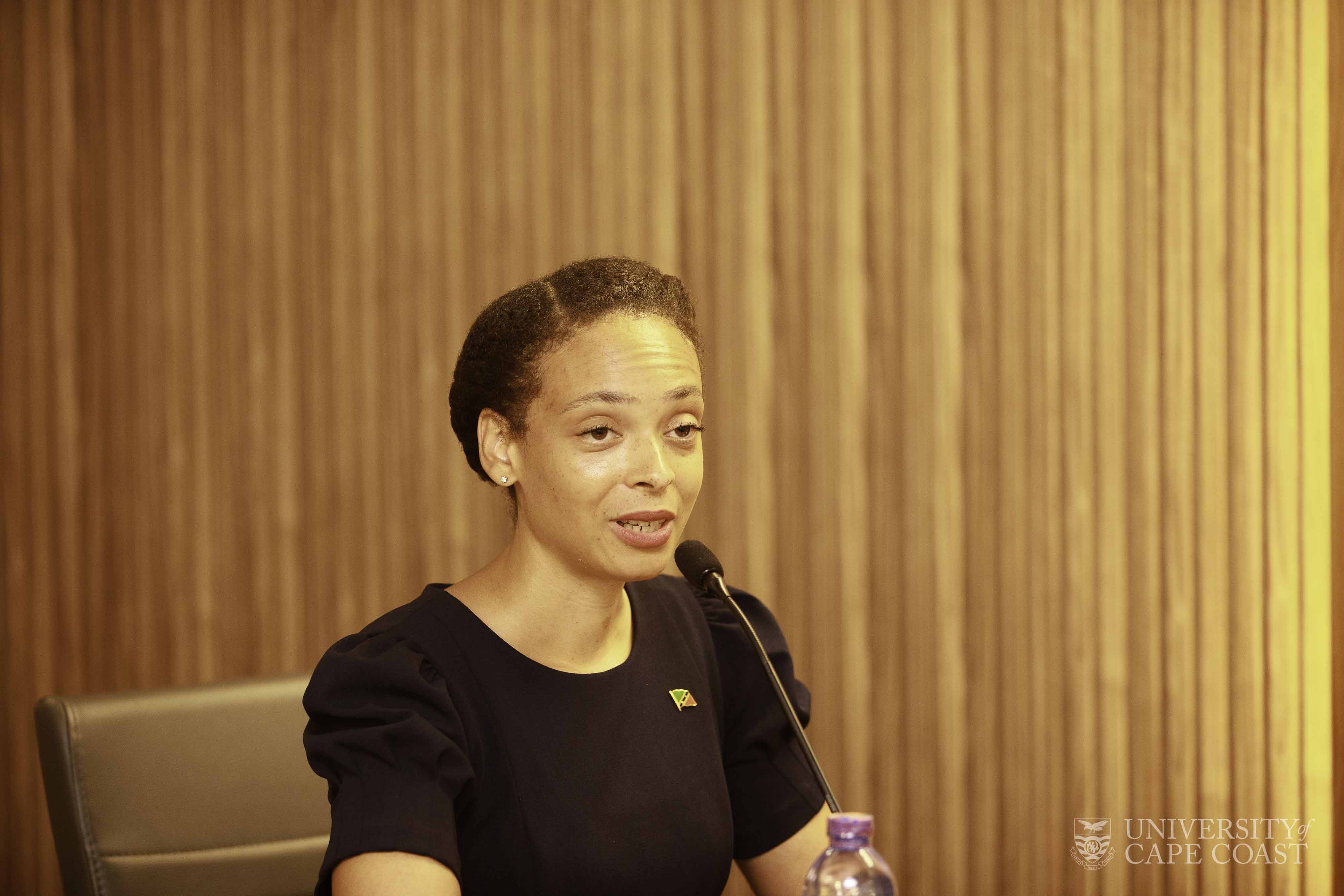
The Prime Minister of St. Kitts and Nevis, Hon. Dr. Terrance Drew intends to visit Ghana to intensify the friendship and ongoing cooperations such as the historic cooperation between the University of Cape Coast and the Federation of St. Kitts and Nevis. 
 
The Special Envoy of St. Kitts and Nevis, Ama Martin,  led a delegation to pay a courtesy call to the Acting Vice-Chancellor, Prof. Denis Aheto.
 
According to her, St. Kitts and Nevis intends to hold high-level discussions with the University on areas of academic collaborations, including renewable energy.

martinsss.jpg

Madam Ama Martin

She explained, “I would like to extend greetings from the Federation of Saint Kitts and Nevis in the Caribbean, and we are seeking to establish greater ties between the Caribbean and UCC in particular and Ghana, at large."
 
Beyond education, H.E. Martin highlighted sectors such as culture and youth empowerment amongst others as areas of immediate strategic interest.
 
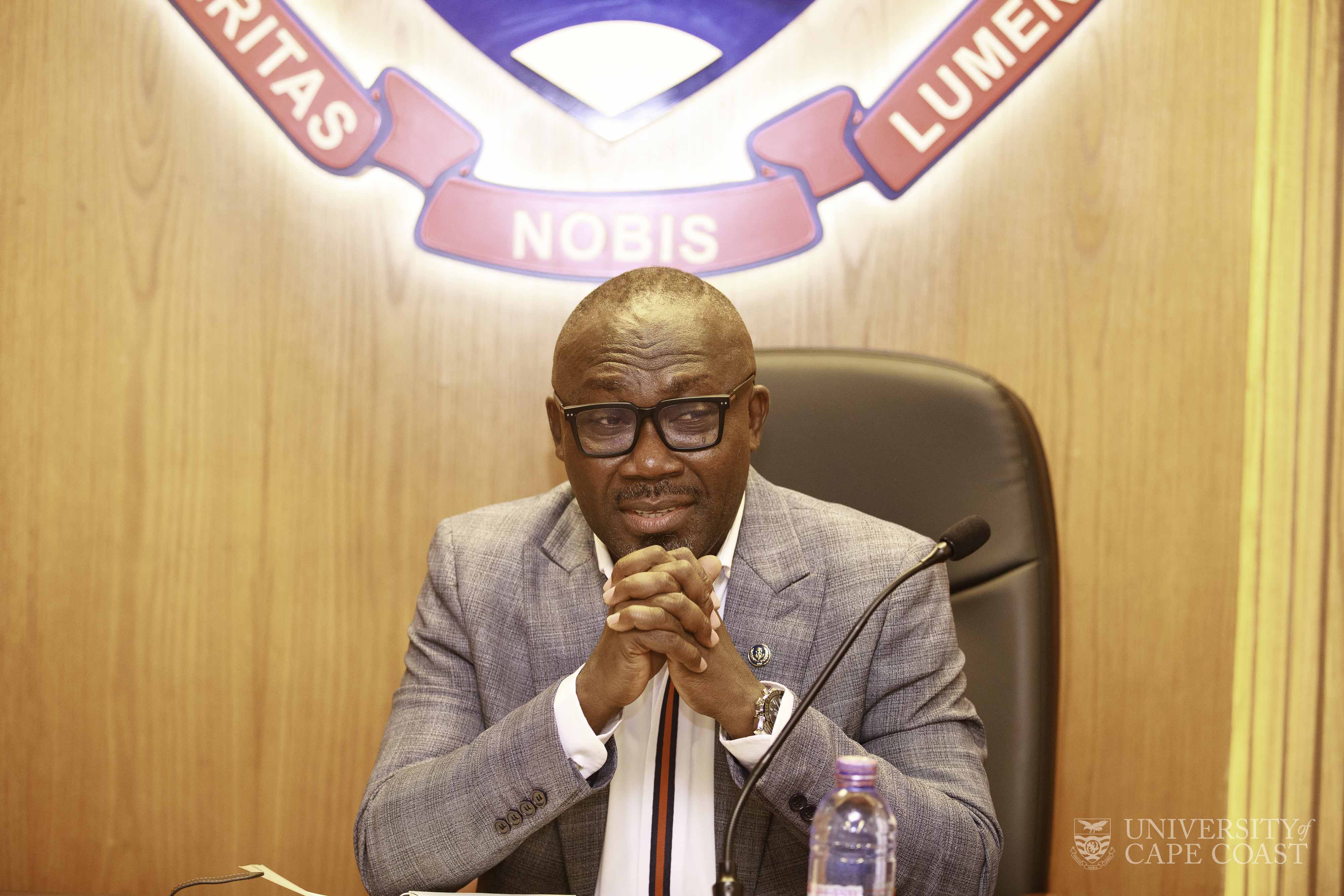
On his part, Prof. Aheto described the engagement as a significant opportunity for the University to expand its global connections, emphasising that for UCC, in particular, it presents a chance to strengthen academic relations.

ahettooo.jpg

Prof. Denis Aheto

He underscored the importance of renewal energy as the University would like to install solar energy around campus to reduce the cost of electricity.
 
The Acting Vice-Chancellor reiterated the readiness of the University to receive the Prime Minister and his entourage.
 

South-South cooperation


In recent years, there has been increased interest in fostering South-South cooperation between Africa and the Caribbean, with Ghana taking a leadership role in advocating for deeper Afro-Caribbean engagement.


This aligns with the objectives of the Africa-Caribbean Summit, which held its inaugural session in 2021 under the theme “Unity Across Continents and Oceans: Opportunities for Deepening Integration”.

UCC Launches BRAVE GH Project to Combat Bullying in Schools

31 Oct, 2025 By DIS

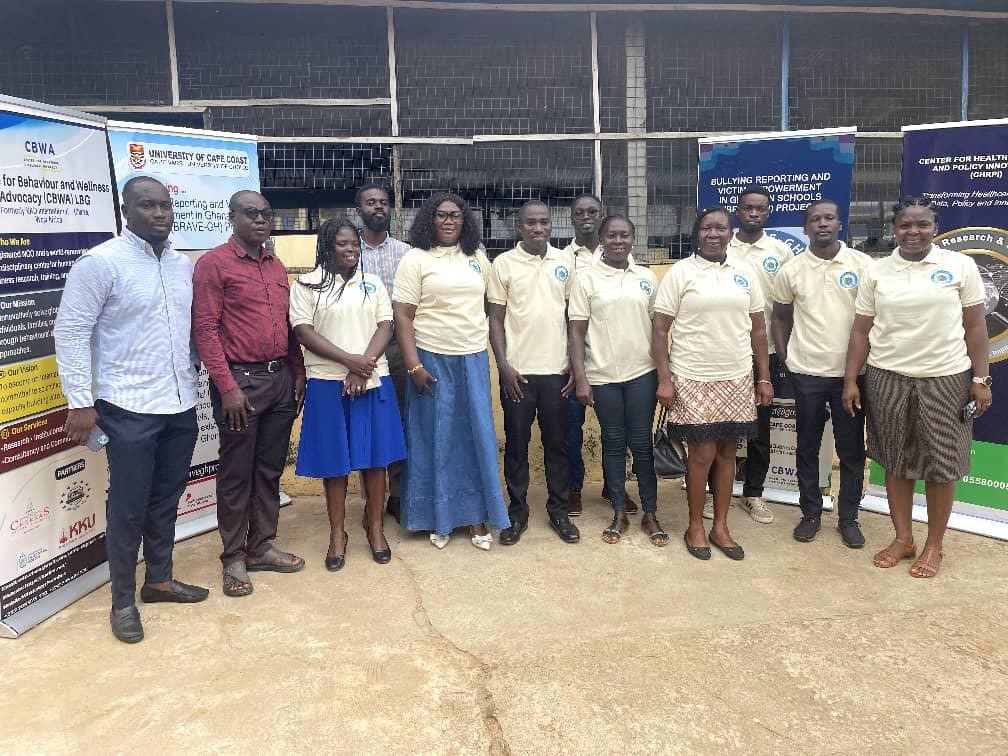
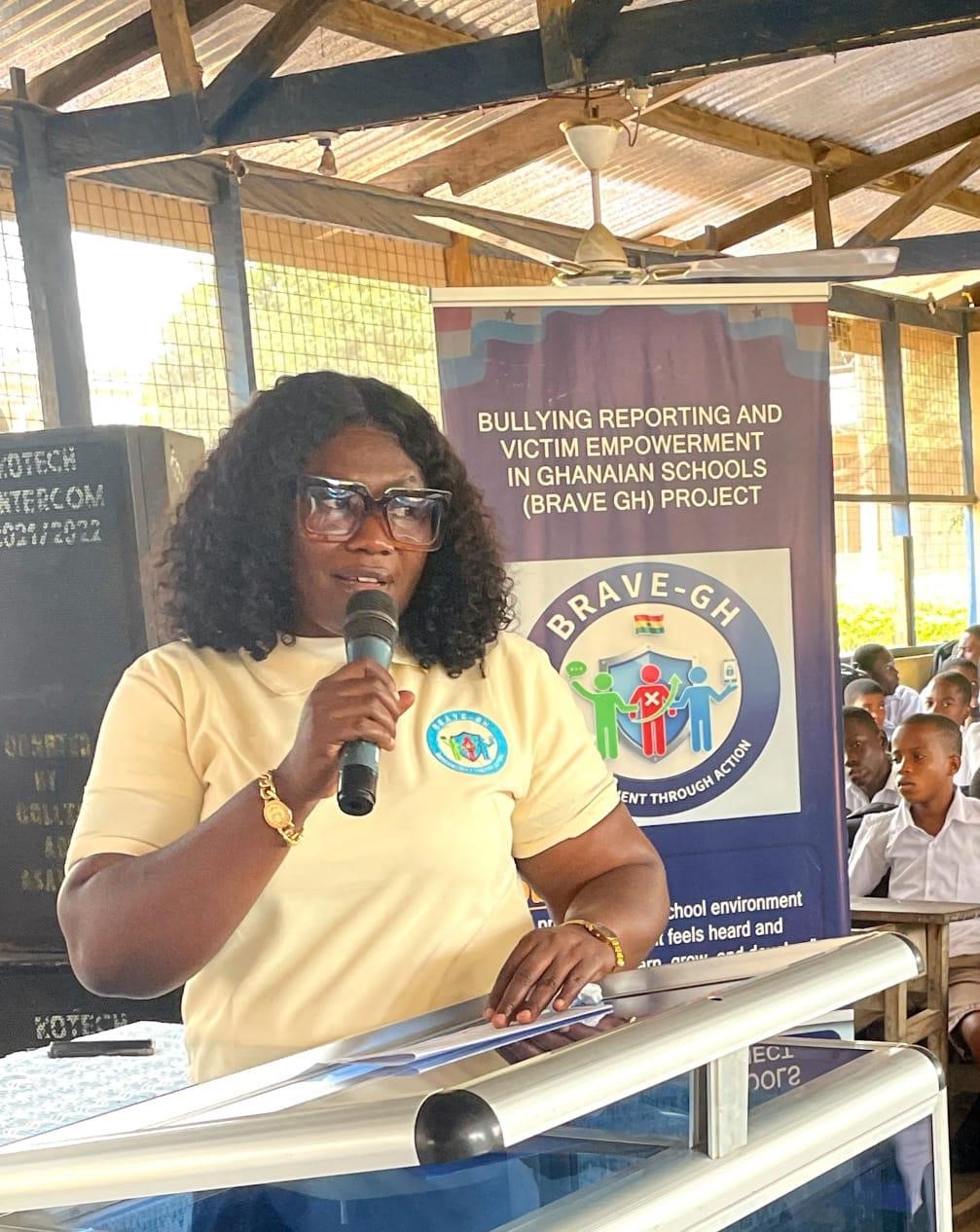
The Bullying Reporting and Victim Empowerment in Ghanaian Schools (BRAVE GH) project has been launched in the Eastern Region.

The BRAVE GH Project aims to prevent bullying and promote a positive school culture through a digital, peer-based intervention rooted in Social and Emotional Learning (SEL) principles.

The team from the University of Cape Coast (UCC), is led by a Senior Lecturer and Coordinator for UCC’s Centre for Educational Research, Evaluation and Development (CERED) Dr. Jacob Owusu Sarfo.

The project forms part of the Being Initiatives, which fund early-stage projects designed to implement, test, and refine solutions to country-specific personal, social, and environmental factors impacting young people’s mental health and well-being.

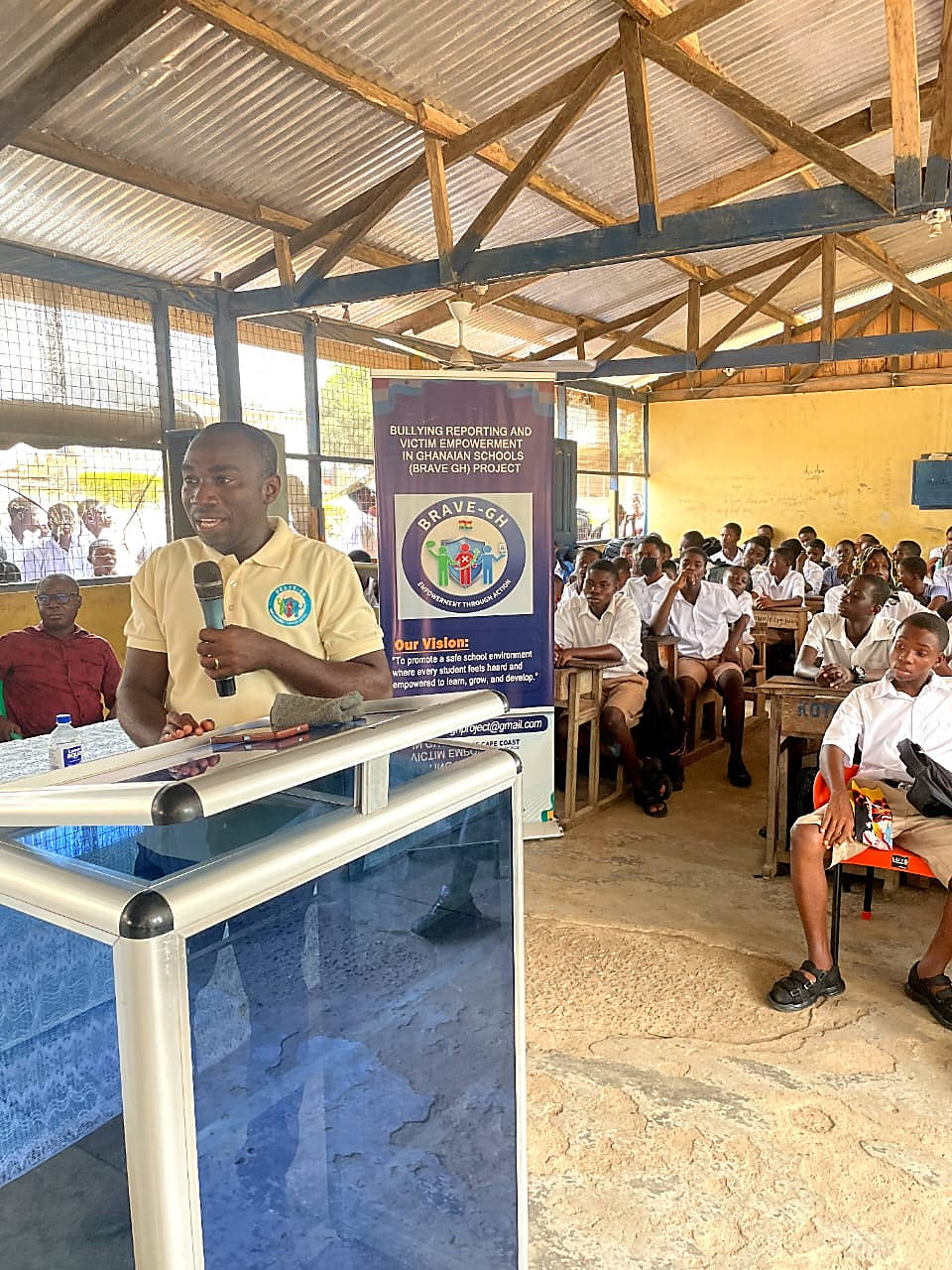
The launch took place on Thursday, 30th October 2025, at the Koforidua Technical Institute (KOTECH), marking a significant milestone in the national effort to curb bullying and promote students' mental well-being.

Speaking at the launch, Dr Sarfo noted that bullying cases in Ghanaian schools are a growing concern, with research showing that over 40% of students aged 12 to 17 have experienced some form of bullying or cyberbullying.


brave_2.png

Jacob Owusu Sarfo, Project Lead, BRAVE GH Project

Dr. Sarfo, who is a licensed Clinical Psychologist, indicated that bullying behaviours among young people form a significant driving factor behind mental health challenges such as depression, anxiety, low self-esteem, poor quality of life, and school absenteeism among young people in Ghana.

He further emphasised that the BRAVE GH Project is designed to be evidence-based, co-created with schools, and culturally responsive to the realities of Ghanaian educational settings.

The intervention integrates three core components — the BRAVE App, “Brave Watchdog” school clubs, and behaviour modification programs for bullying perpetrators — to nurture empathy, resilience, and inclusivity within school communities.

In an address, the Eastern Regional Director of the Ghana TVET Service, Ms. Evelyn Dansoa Boateng, emphasised the importance of creating safe spaces in schools and enhancing the psychological well-being of students through innovative interventions.

Ms. Boateng expressed hope that this bold initiative would be scaled up across all regions in Ghana and pledged the support and collaboration of her office to ensure its successful implementation.

brave_3.jpg

Ms. Evelyn Dansoa Boateng, Director - Eastern Regional Office, Ghana TVET Service 

Through the initiative, students will assume leadership roles as clubbers (peer mentors), watchdogs, and ambassadors of the anti-bullying campaign. Heads of schools, teachers, school counsellors, parents, and mental health professionals will be trained as patrons, chaperones, and facilitators, ensuring a coordinated and proactive approach to preventing and addressing bullying incidents.

The project’s early identification system will enable teachers and school counsellors to recognise signs of bullying and provide timely support. Students requiring additional assistance will be referred to approved mental health facilities for specialised care. The BRAVE App will also offer access to coping resources, peer networks, and confidential reporting channels, empowering both victims and bystanders.

Source: UCC BRAVE GH Project Team/Documentation and Information Section-UCC
 

UCC hosts Curriculum Development Workshop on Climate-Smart AgrBIZZ Project

31 Oct, 2025 By DIS

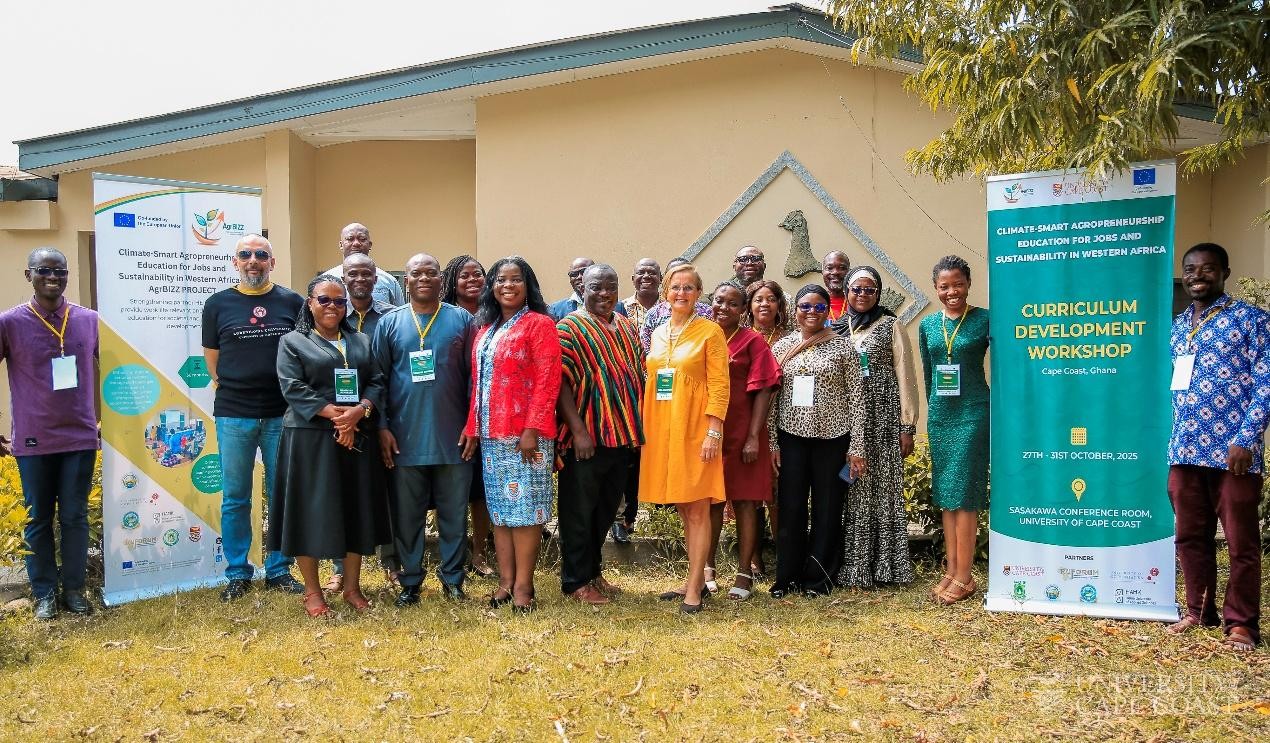
A five-day Curriculum Development Workshop has been held at the University of Cape Coast (UCC) as part of the Climate-Smart Agropreneurship education for jobs and sustainability in Western Africa (AgrBIZZ) project.

AgrBIZZ is a partnership between the University of Copenhagen in Denmark, Hame University of Applied Sciences (HAMK) in Finland, University of Buea and the University of Bamenda in Cameroon, the University for Development Studies and the University of Cape Coast in Ghana, and RUFORUM in Uganda.

Its overall objective is to strengthen partner HEIs' capacity to provide work-life relevant and inclusive higher education for societal and environmental development.

The AgrBIZZ curriculum development workshop is aimed at enhancing understanding and practical integration of Problem-Based Learning (PBL), Climate-Smart Agriculture (CSA), and Entrepreneurship in agricultural education to ensure that students graduate with skillsets that make them prepared for the world of work.

The event, held at the Sasakawa Conference Centre, engaged academic staff in the participatory process of curriculum review and development of agricultural programmes across the partner HEIs in Western Africa.

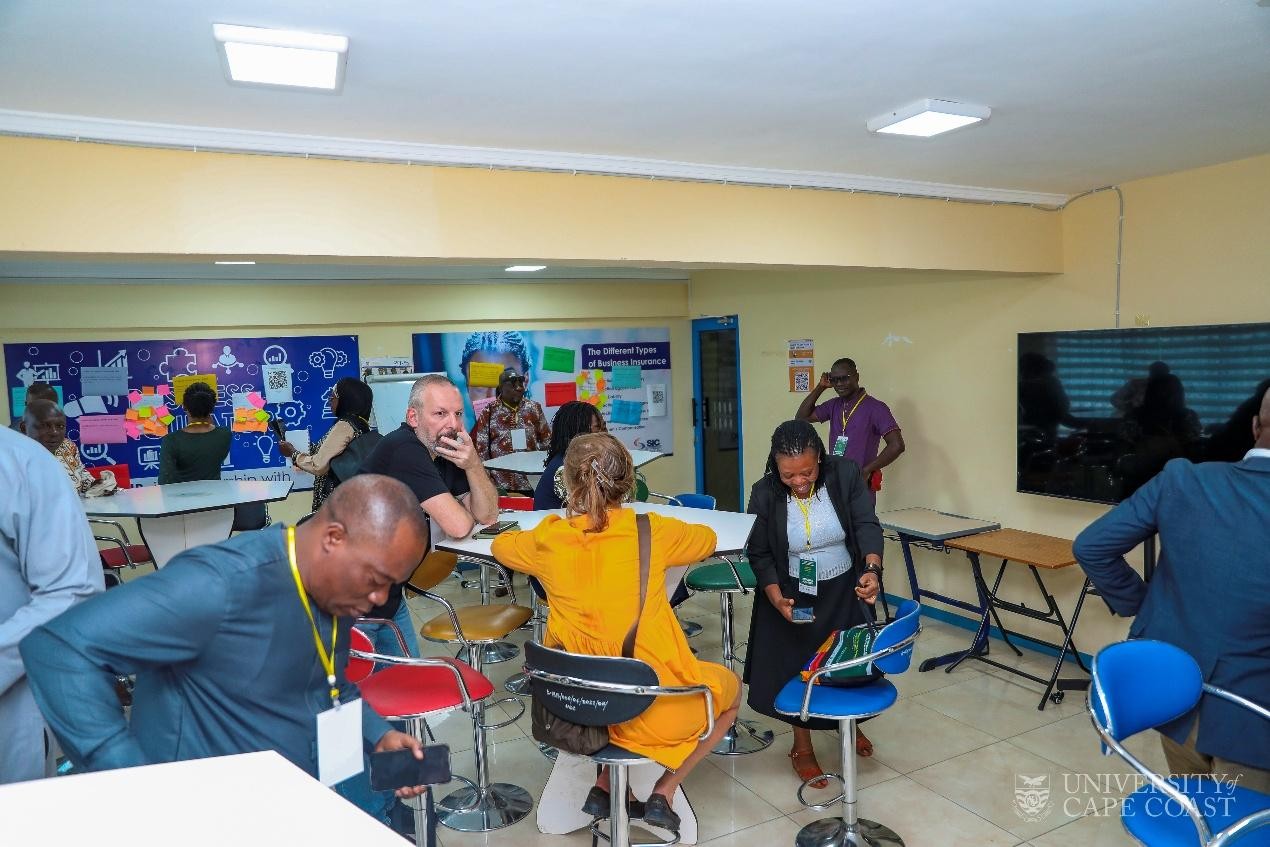
agrim_2.jpg

Participants in the Design Thinking and Innovation Hub

The workshop, which forms part of an ongoing 3-year AgrBIZZ project which is co-funded by the European Union.

Speaking at the opening ceremony, the Project Coordinator, Dr. Eija Laitinen from HAMK, said “the project wants students to have a dignified decent life.”

According to her, the general aim of the curriculum development workshop was to exchange institutional experiences, challenges, and effective practices in curriculum revision and pedagogical innovation.

She added that academic staff from universities in West Africa would be engaged in the participatory process of curriculum review and development of programmes across partner higher education institutions.

Through the curriculum development, students would work with the skills they had acquired after graduation.

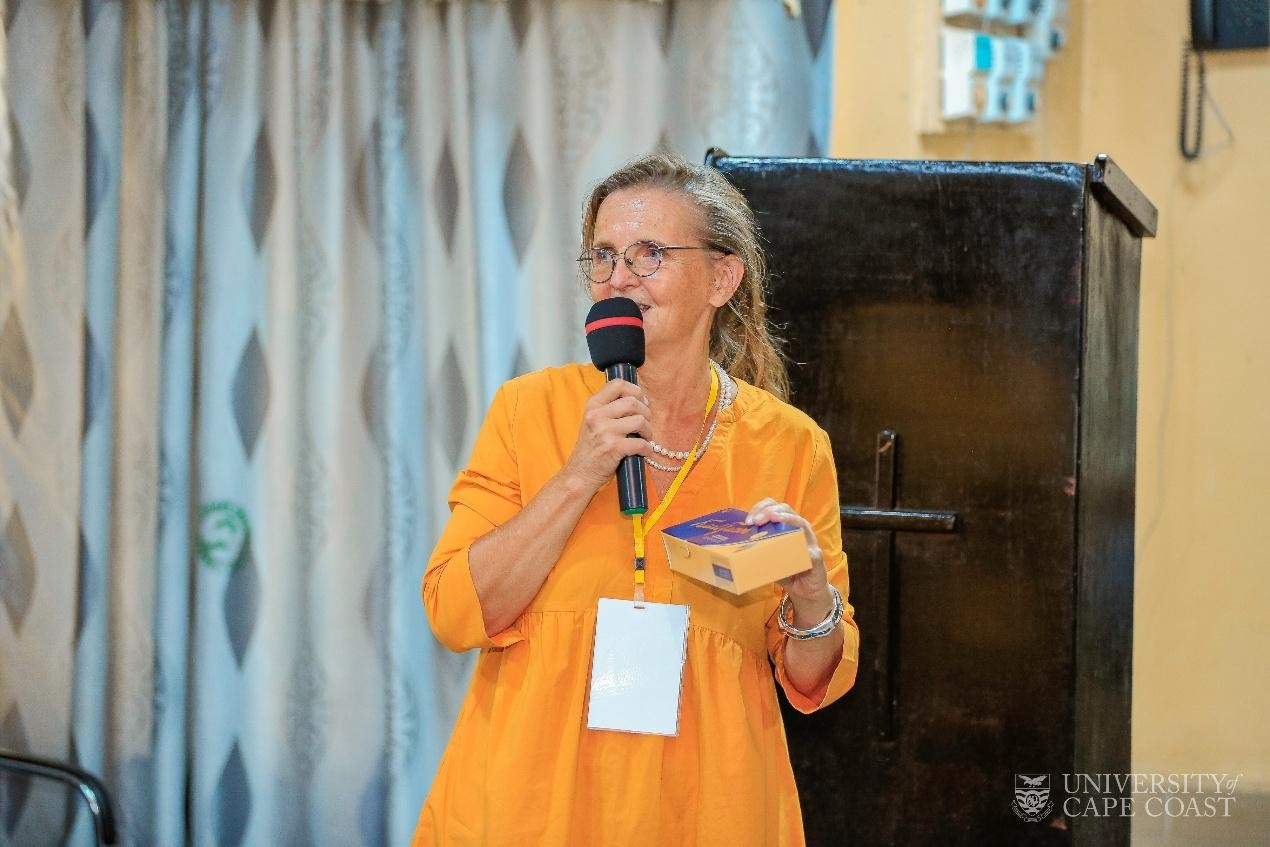
agrim_3.jpg

Project Coordinator, Dr. Eija Laitinen from HAMK

The UCC Local Coordinator of the Project, Prof. Samuel Kwesi Ndzebah Dadzie, in his remarks, indicated that  there was the needtha need to harmonise agricultural education in partner West African universities to be intentional about climate-smart agriculture and entrepreneurship using a student-centred Problem-Based Learning approach to enable students to generate business solutions even while on campus.

He said the use of PBL would produce competent graduates who would be problem solvers.

"Throughout the workshop, we are happy to emphasise Climate-Smart Agropreneurship, using the PBL approach in our curricula," he added.

He maintained that through the project, students would acquire various employable skills to enable them to become entrepreneurs.

The Provost of the College of Agriculture and Natural Sciences, Prof. Rofela Combey, who described the workshop as timely, noted that training students with entrepreneurial soft skills and making them conscious of sustaining the environment through climate-smart agriculture had become an existential necessity in Ghana and most African countries.

agrim_4.jpg

Provost of the College of Agriculture and Natural Sciences, Prof. Rofela Combey

She expressed excitement that the Project was also to ensure African students possess not only technical competence but also critical thinking, problem-solving, communication skills, and, crucially, ethical grounding

Present at the workshop were the Dean of the School of Agriculture, Prof. De-Graft Acquah, the Head of the Department of Agricultural Economics and Extension, Prof. Martin Bosompem, and the representative of the Director of the Directorate of Research, Innovation and Consultancy, Prof. Francis Annor.

Source: Documentation and Information Section-UCC
 

Pages

  • « first
  • ‹ previous
  • 1
  • 2
  • 3
  • 4
  • 5
  • 6
  • 7
  • 8
  • 9
  • …
  • next ›
  • last »

Admissions

Graduate
Sandwich
International
Undergraduate
Distance Education

Colleges

Education Studies
Distance Education
Health and Allied Sciences
Humanities and Legal Studies
Agriculture and Natural Sciences

Research

Support Grant
Policies and Guidelines
Reports
Agenda
Inaugural Lectures
Intellectual Property Policy

Directorates

Finance
ICT Services
Public Affairs
Internal Audit
Academic Affairs
Human Resource
University Health Services
Consular and General Services
Research, Innovation & Consultancy
Academic Planning & Quality Assurance
Physical Development & Estate Management

Policies & Reports

Web Policy
Annual Report
Conditions of Service
Corporate Strategic Plan

Services

Portal
ATL FM
Alumni
UCOSIS
eLearning
Staff Email
Faculty Blogs
Student Email
Staff Directory
Academic Calendar
Affiliate Institutions

Contact info

The Registrar, University of Cape Coast, Cape Coast, Ghana.
  • +233 [03321]32440, +233 [03321] 32480-9
  • registrar@ucc.edu.gh

Website & Media

Forms
Sitemap
Web Services
Press Releases
Contact & Maps
Announcements
Inaugural Lectures
Services Status
  • ‌
  • ‌
  • ‌‌
  • ‌
  • ‌
  • ‌
  • ‌
  • ‌

©2025 University of Cape Coast